President Trump is selling data centers as an economic triumph. The communities living next to them have a very different story to tell. As the administration continues to champion a wave of AI infrastructure investment — pointing to jobs created and tax revenue generated — a growing number of voters in competitive midterm districts are pushing back hard against the noise, the water consumption, the land use, and the sheer industrial footprint these facilities bring with them. That tension, according to a Fortune report, is quietly reshaping the political calculus of the 2026 midterm races.
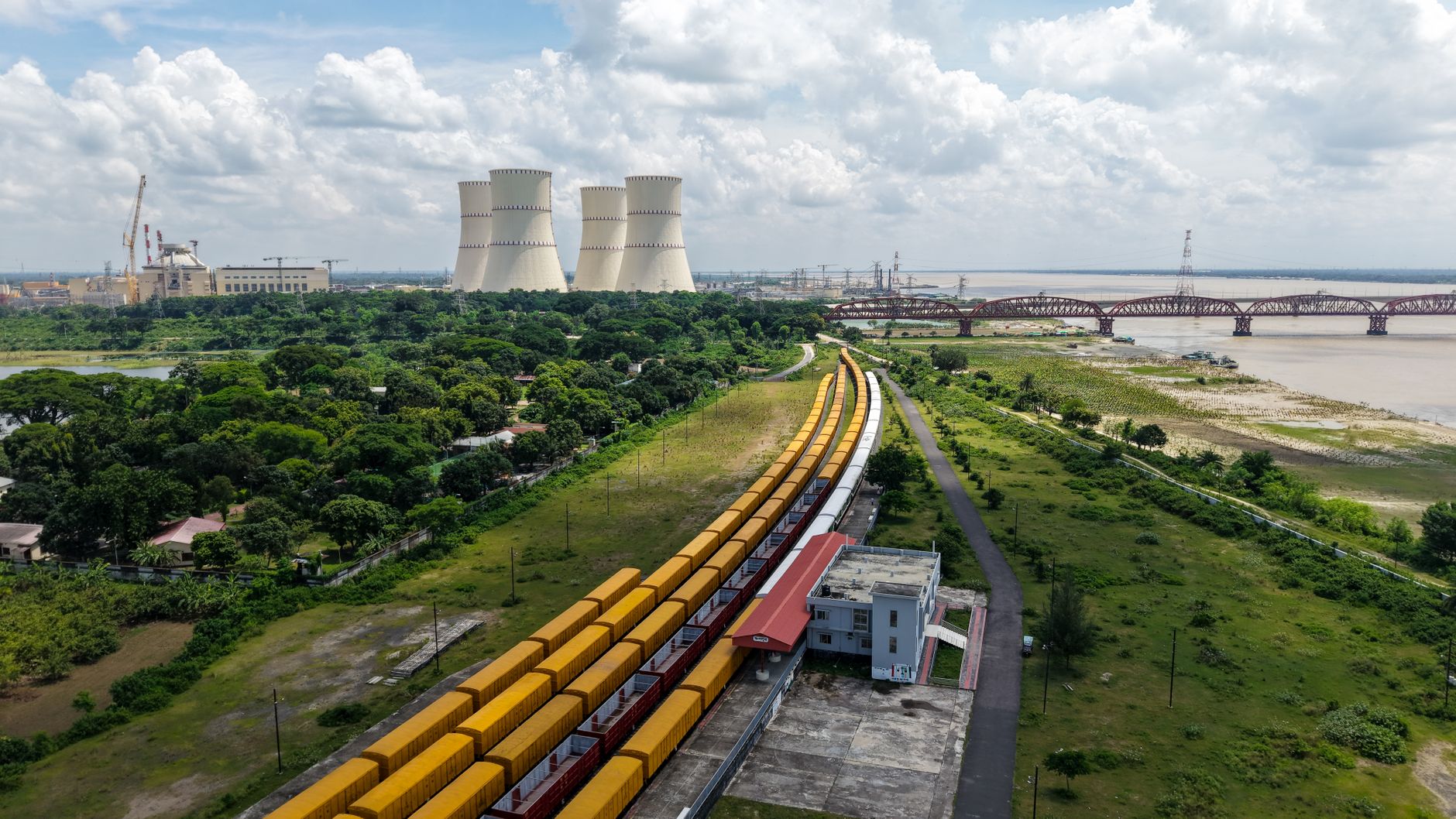
Trump’s position is characteristically blunt. “The jobs are enormous and the money paid, the taxes paid, are just enormous,” he has said, framing the data center buildout as an unambiguous win for American workers and local governments. It’s a message that plays well in broad economic terms — and there’s real substance behind it. Large-scale data center campuses routinely generate hundreds of construction jobs and millions of dollars in annual property tax revenue for rural and suburban counties. But for the residents living near the transformer yards, the diesel backup generators, and the cooling towers that run twenty-four hours a day, those macro-level gains can feel abstract against very concrete daily disruptions. The data center boom is creating winners and losers at a granular, neighborhood level that national talking points simply don’t capture.
The Backlash Is Local, But the Stakes Are National
The communities most vocal in their frustration are not traditionally anti-technology. Many are in historically Republican-leaning counties in Virginia, Texas, Indiana, and the Carolinas — precisely the states attracting the densest concentrations of new hyperscale and AI-focused facilities. Residents complain about aquifer stress from water-cooled server infrastructure, about power grid strain that drives up residential electricity rates, and about local zoning processes that move faster than public input can keep pace with. These are not abstract environmental objections — they are kitchen-table economic and quality-of-life grievances arriving in the mailboxes of swing-district voters.
That makes data center siting a surprisingly live issue for midterm candidates in both parties. Democrats in affected districts are beginning to campaign on tighter local control and environmental review requirements. Some Republicans, unwilling to break with Trump’s pro-investment framing but also unwilling to alienate constituents who are genuinely angry, are threading a needle — calling for better community benefit agreements and infrastructure investment alongside approval of new facilities. The political problem for the White House is that “enormous taxes” is a harder sell when your water pressure has dropped and your electric bill has climbed.
Big Tech’s Trillion-Dollar Buildout Meets Political Reality
The scale of investment driving this friction is genuinely staggering. Microsoft, Google, Amazon, and Meta have collectively committed hundreds of billions of dollars to data center expansion through the late 2020s, with AI model training and inference demand accelerating the timeline. Individual campuses can draw anywhere from 100 megawatts to over 1 gigawatt of power — enough to strain regional grids that were not designed for loads of this magnitude. Utility companies across the Southeast and Midwest are fast-tracking transmission upgrades, but those projects take years and cost ratepayers in the interim.

Trump’s framing captures a real economic dynamic but misses a structural one: the benefits of data center investment are diffuse and delayed, while the costs — noise, water, power, land — are immediate and local. That asymmetry is exactly what is giving midterm candidates an opening. Voters do not experience GDP growth or aggregate tax receipts; they experience what is happening on their street. Until the administration finds a way to address the gap between national economic wins and neighborhood-level disruption, its data center boosterism risks becoming a liability in the very districts that will decide congressional control in 2026. As Future Wire has tracked, the infrastructure demands AI are landing unevenly — and the political consequences are beginning to follow.