Farming has always been a game of inches — narrow margins, unpredictable weather, and brutal input costs. AGCO wants to close those gaps with software, sensors, and self-driving iron. At its Tech Day 2026 event, the agricultural equipment giant pulled back the curtain on a sweeping push into autonomy, artificial intelligence, and what it calls mixed-fleet solutions, a direct play for farmers who run equipment from multiple brands and have historically been locked out of integrated precision tools. For anyone tracking how AI breakthroughs are moving from labs into physical industries, this is one of the clearest real-world deployments yet.
According to a PR Newswire announcement covering the event, AGCO’s demonstrations centered on its Fendt and Precision Planting brands, with the company framing profitability — not just productivity — as the north star for every technology on the floor. That framing matters. It signals a pivot from selling horsepower to selling outcomes.
Autonomy Gets Practical, Not Hypothetical
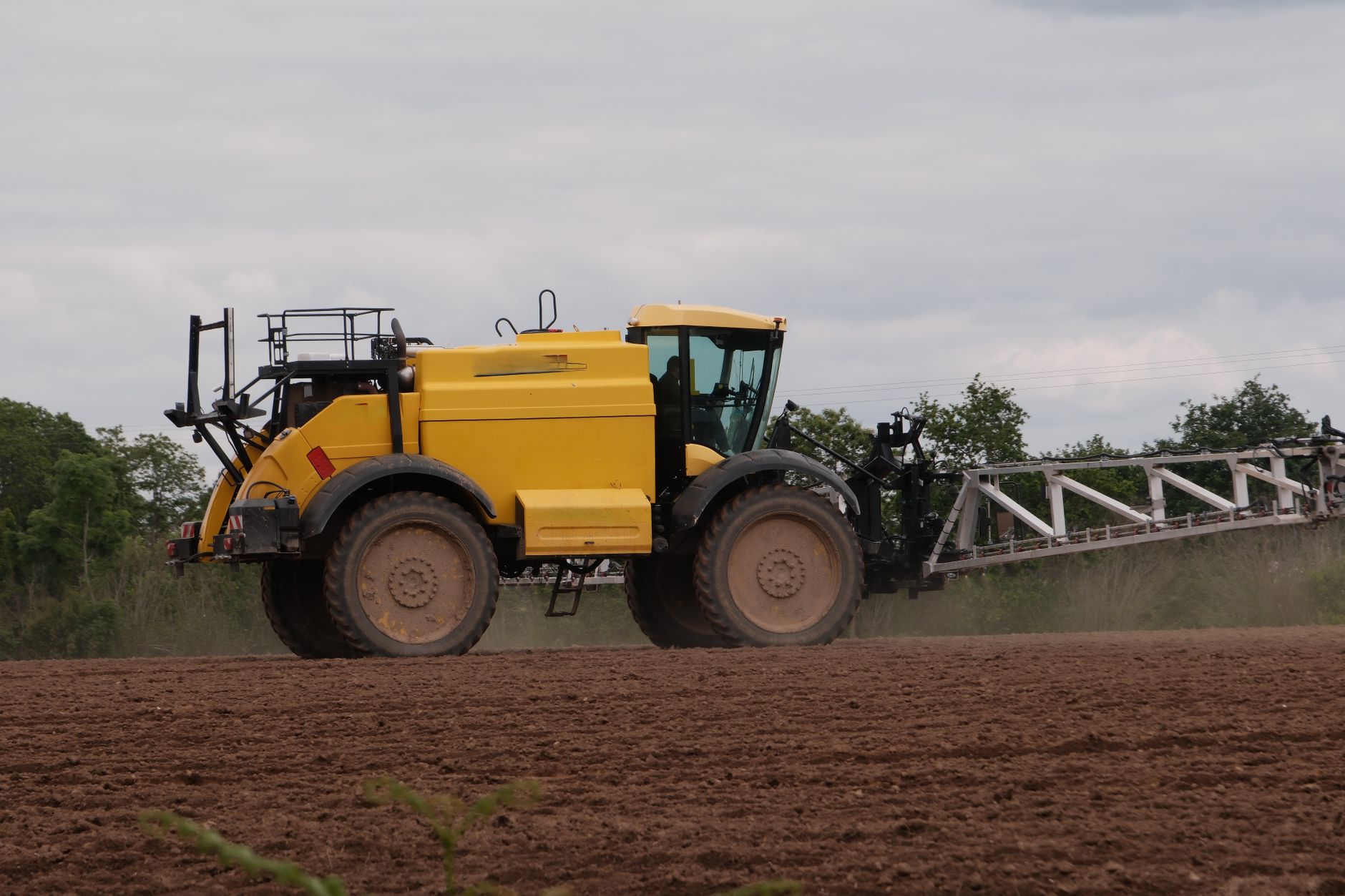
AGCO’s autonomy showcase featured Fendt-branded machinery capable of executing field operations without a human in the cab. The company demonstrated autonomous planting, spraying, and harvesting workflows, positioning the technology not as a distant roadmap item but as a deployable solution for working farms. The emphasis was on reliability in real field conditions — the kind of dusty, uneven, unpredictable environments where autonomous systems have historically struggled to prove themselves.
Crucially, AGCO is pairing the hardware with an AI layer that monitors machine performance, field variability, and agronomic data in real time. The system is designed to surface actionable recommendations — adjusting seeding rates, flagging equipment anomalies, or optimizing pass patterns — rather than simply logging data for a farmer to interpret later. That shift from data collection to decision support is where the real productivity gains live, and it is the same architectural choice driving competition across the broader AI platform race.
The Mixed-Fleet Play Is AGCO’s Sharpest Competitive Edge
Perhaps the most strategically interesting announcement at Tech Day 2026 was AGCO’s commitment to mixed-fleet interoperability. Most precision agriculture software has functioned as a walled garden, rewarding loyalty to a single equipment brand and penalizing farmers who run a John Deere combine alongside a Fendt tractor alongside an AGCO planter. AGCO is explicitly pitching its platform as brand-agnostic, capable of ingesting data and coordinating operations across equipment it did not manufacture.
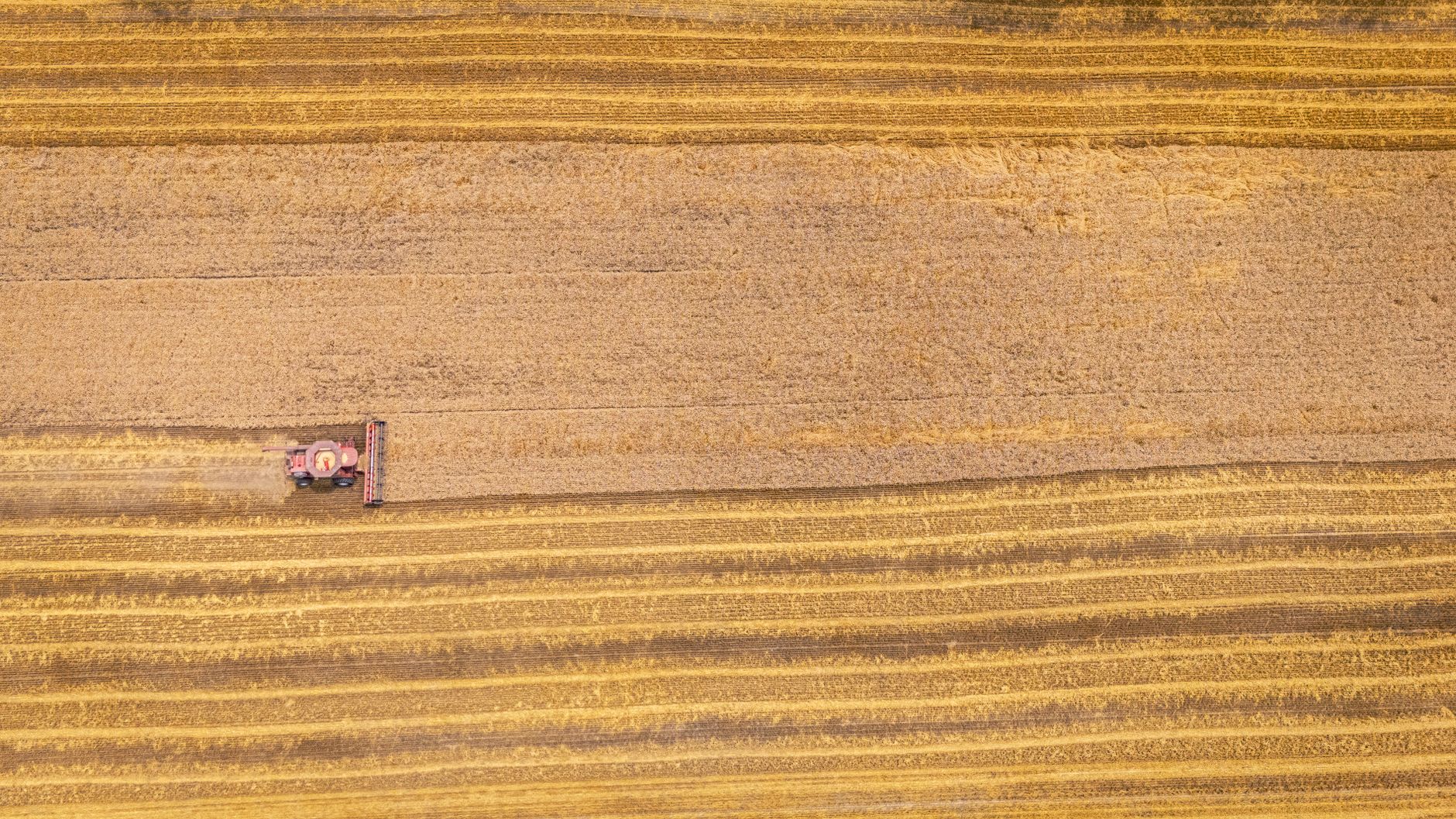
This is a calculated land grab. Independent farmers and large farming operations alike tend to accumulate equipment from multiple manufacturers over decades of purchasing decisions. By building tools that work across that heterogeneous fleet rather than demanding a full replacement cycle, AGCO is removing one of the biggest barriers to adoption for its digital products. It also positions the company’s Precision Planting subsidiary — which already sells into non-AGCO equipment — as the connective tissue for a broader data ecosystem that AGCO controls regardless of whose tractor is in the field.
Why Profitability Is the Right Message for 2026
The agricultural sector is under pressure. Input costs — fuel, fertilizer, seed — remain elevated relative to historical norms, and farm income volatility has made operators deeply skeptical of technology investments that promise efficiency but deliver complexity. AGCO’s decision to anchor Tech Day 2026 explicitly around farmer profitability, rather than innovation for its own sake, reflects a savvy read of the customer mood. Every autonomous system and AI recommendation engine on display was framed through the lens of return on investment, not technical novelty.
That pragmatism could be AGCO’s strongest argument in a market where competitors including John Deere and CNH Industrial are all chasing the same autonomous future. The company is betting that owning the data layer across mixed fleets, while delivering measurable margin improvements, is a more durable moat than any single hardware breakthrough. If the tools perform as demonstrated, farmers might finally have a reason to let the robots drive.