
Most longevity advice starts with “get eight hours of sleep and be in bed by ten.” One physician is proving that the full picture is considerably more nuanced. According to a CNBC report published August 22, 2026, the doctor doesn’t hit his pillow until around 1 a.m. — and he’s still methodically working through every evidence-backed lever for healthy aging he can find. His approach is less about rigid rules and more about stacking enough positive inputs that the math works in his favor. “I try to tick all the longevity boxes that I can,” he told CNBC.
The story lands at a moment when consumer interest in healthspan optimization is surging well beyond biohacker circles, touching everything from mainstream supplement sales to the kind of medical innovation awards now explicitly linking human health outcomes to broader systemic thinking. What makes this physician’s routine worth paying attention to isn’t the individual habits — most aren’t new — it’s how deliberately he sequences and combines them within the real-world constraints of a demanding professional schedule.
The Stack: What He Actually Does Each Day
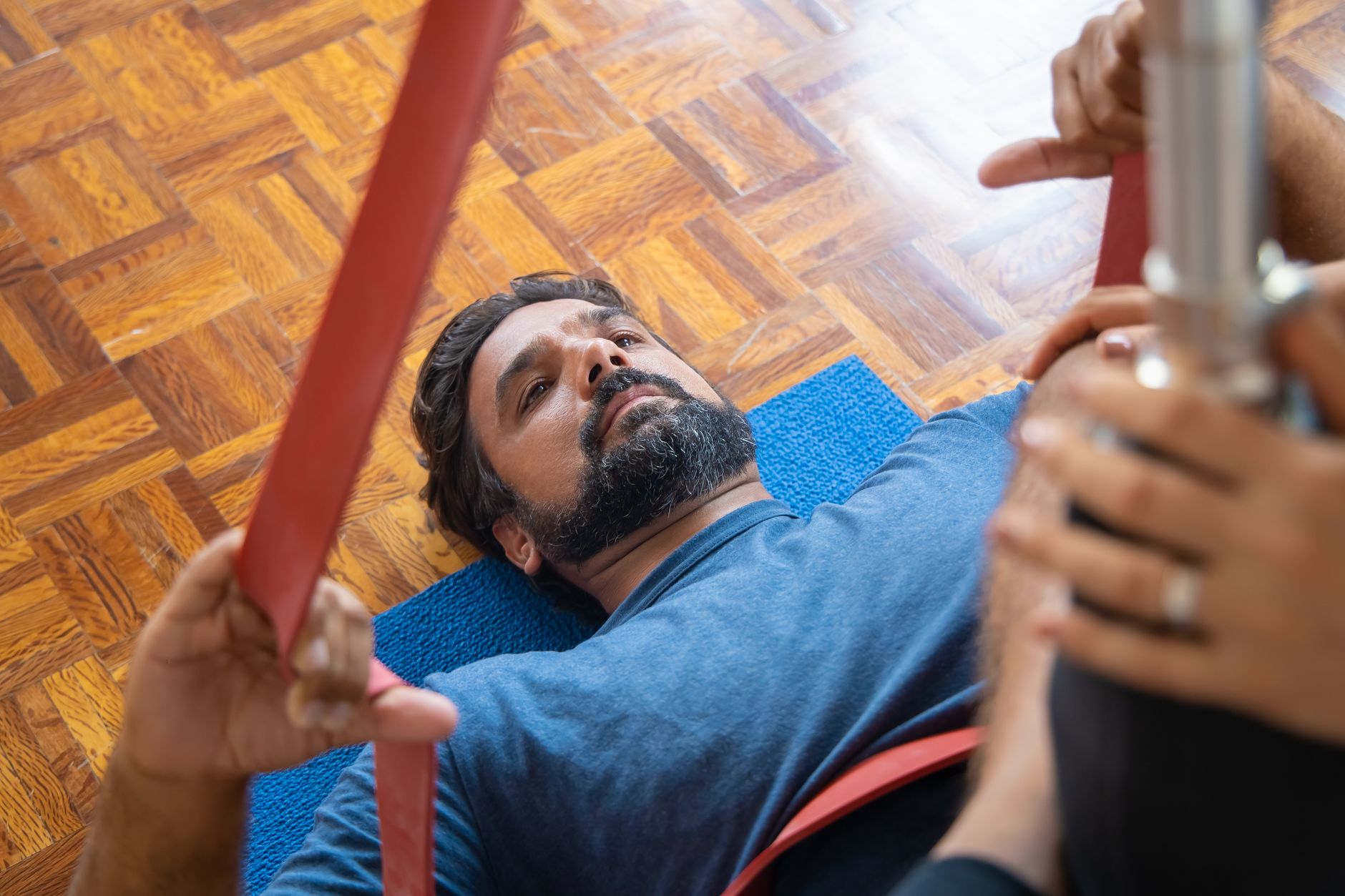
The physician’s daily protocol hits several well-documented pillars simultaneously. Strength training features prominently — resistance exercise is one of the most consistently supported interventions in the longevity literature for preserving muscle mass and metabolic health into later decades. He also prioritizes protein intake with deliberate consistency, treating it less like a fitness variable and more like a maintenance requirement for the body’s long-term structural integrity.
Zone 2 cardiovascular work — the kind of sustained, moderate-intensity aerobic effort that keeps heart rate in a conversational range for extended periods — also appears in his routine. Researchers and clinicians have increasingly flagged Zone 2 training as a particularly efficient way to build mitochondrial density and improve metabolic flexibility, benefits that compound over years rather than weeks. The physician frames these not as optional add-ons but as non-negotiables he schedules around, not after, everything else.
Sleep, Stress, and the Late-Night Compromise
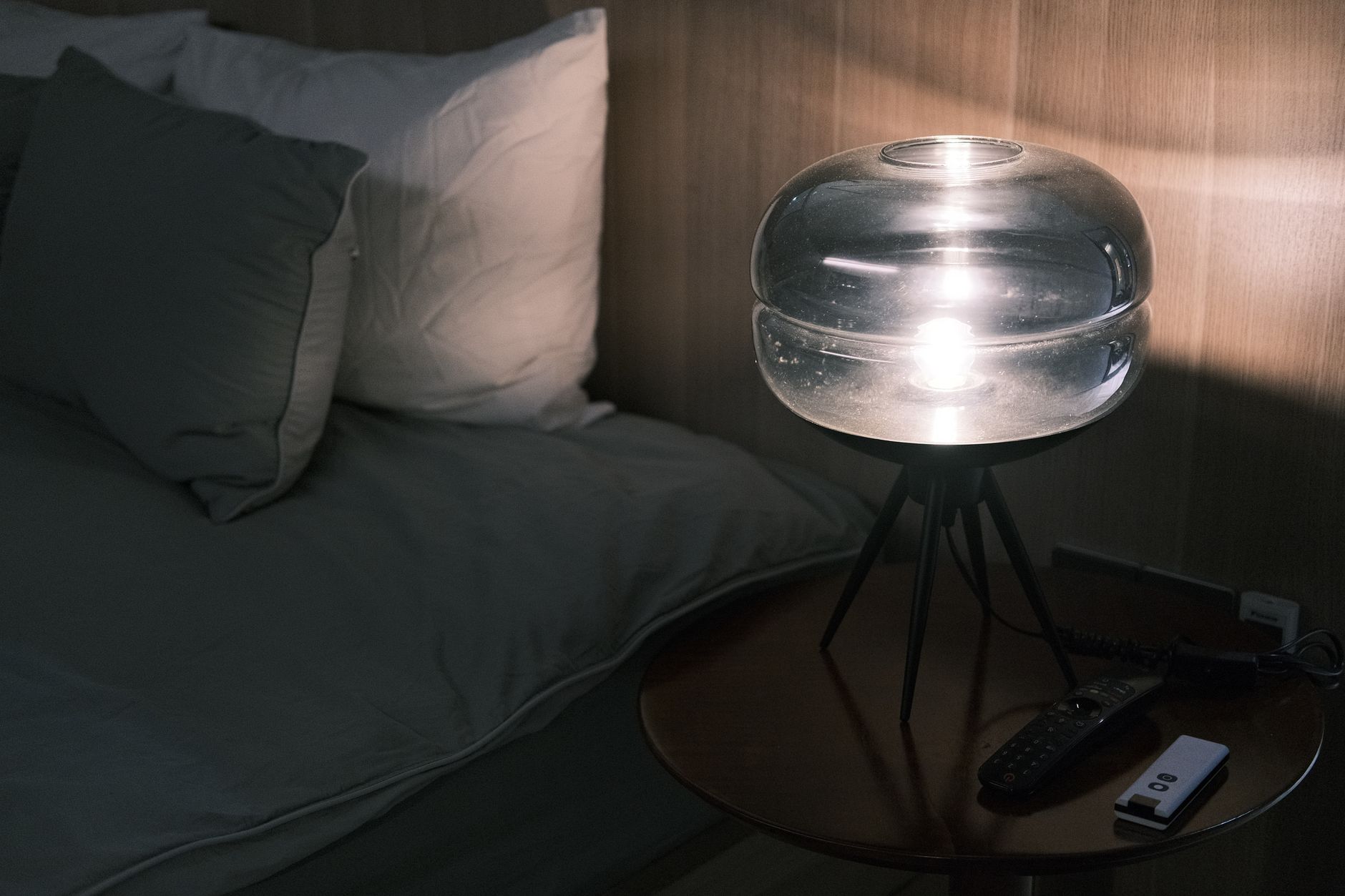
The 1 a.m. bedtime is the most counterintuitive element of his routine, given how aggressively sleep deprivation has been implicated in accelerated aging, cognitive decline, and immune suppression. His answer isn’t to ignore the science — it’s to protect sleep quality and total duration even if the window shifts late. Consistency of schedule, limiting alcohol, and keeping the sleep environment optimized are the tools he uses to make late-night sleep work as effectively as possible.
Stress management rounds out the framework. Chronic psychological stress is now understood to drive measurable biological aging through mechanisms including telomere shortening and systemic inflammation — making it as relevant to longevity as diet or exercise. The physician doesn’t claim to have eliminated stress from a medical career, but he treats active stress mitigation as a health input with the same seriousness he’d apply to a medication protocol. The broader implication of his approach is that perfection on any single variable matters less than coverage across all of them. A slightly late bedtime doesn’t erase the benefit of daily Zone 2 work, consistent protein intake, and deliberate recovery. It’s the aggregate, not the individual data point, that shapes long-term health trajectory — and that framing may be the most practically useful thing any busy professional can take from his routine. For more on how evidence around health product claims often diverges from marketing, the science deserves close reading there too.