
Chatbots are coming for the ballot box — not to hack it, but to advise the people who fill it out. A new survey cited by Calcalist Tech finds that roughly one in four voters is open to consulting an AI tool when deciding how to vote in an upcoming election. That number is striking enough to reframe how technologists, campaign strategists, and regulators should be thinking about the downstream effects of agentic AI moving into civic life.
The survey, conducted ahead of anticipated elections, found that 25 percent of respondents said they would consider turning to AI-powered tools for guidance on candidates, parties, or policy positions. That is not a fringe behavior on the horizon — it is already a live behavioral shift, driven by how naturally younger and tech-adjacent voters have integrated large language model tools into everyday decision-making.
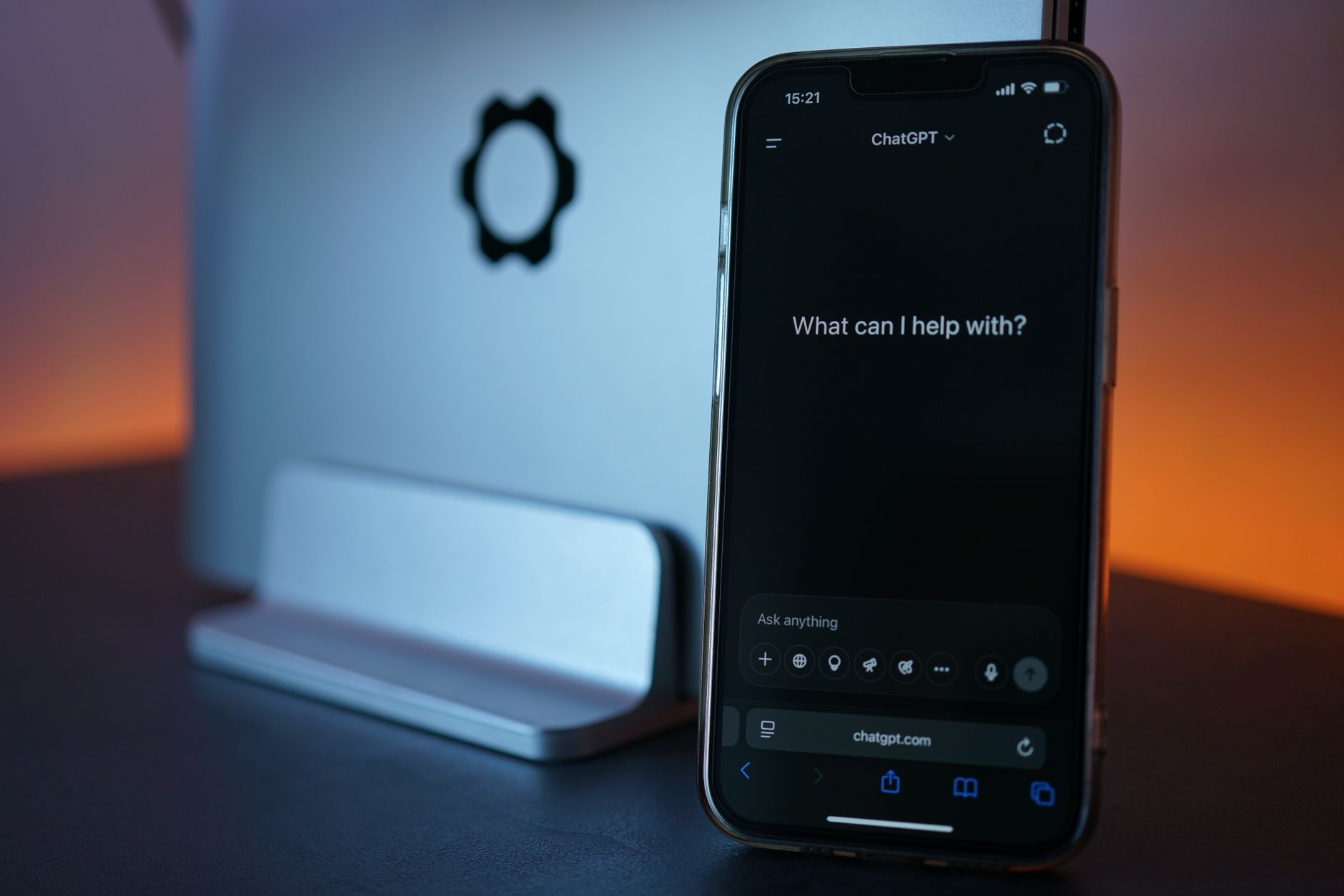
From Search Engine to Political Advisor
The shift matters because AI tools do not behave like a traditional search engine. Where Google returns a list of sources and lets the user synthesize, a chatbot delivers a synthesized answer — with all the editorial choices, training-data biases, and confidence framing that entails. When a voter asks an AI which candidate supports a specific economic policy, the model’s response is not a neutral index of the internet. It is a distillation shaped by what data it was trained on, how the question was phrased, and how the model weights competing claims.
That creates a qualitatively different kind of influence. Researchers and ethicists have already flagged concerns about AI systems subtly nudging users toward particular conclusions, even without any deliberate manipulation. At 25 percent market penetration among voters, those nudges could aggregate into statistically significant shifts in how electorates perceive candidates — without any of the disclosure requirements that govern political advertising.
What the Data Signals for Campaigns and Regulators
For campaign strategists, the implication is direct: the terrain of political persuasion now includes the prompt window. Parties and candidates will increasingly need to consider how their platforms, policy language, and public records are represented in the training data and retrieval systems that power popular AI tools. A policy position buried in a PDF may never surface in a chatbot response; one that is clearly articulated in indexed, crawlable text might be over-represented.

Regulators face a harder problem. Election law is built around the concept of a disclosed, identifiable political actor purchasing access to a voter’s attention. AI-mediated influence does not fit cleanly into that framework. The survey data adds urgency to a policy debate that is still far behind the technology — a dynamic Future Wire has tracked in adjacent spaces, including how AI automation is outpacing the institutional structures designed to govern it.
None of this is to say voters are passive. Many who consult AI tools will cross-reference answers, apply their own skepticism, and arrive at independent conclusions. But at scale, even marginal directional effects compound. The 25 percent figure reported by Calcalist Tech is not a crisis number — yet. It is an early signal, and in technology, early signals are the ones worth taking seriously before they become structural facts.