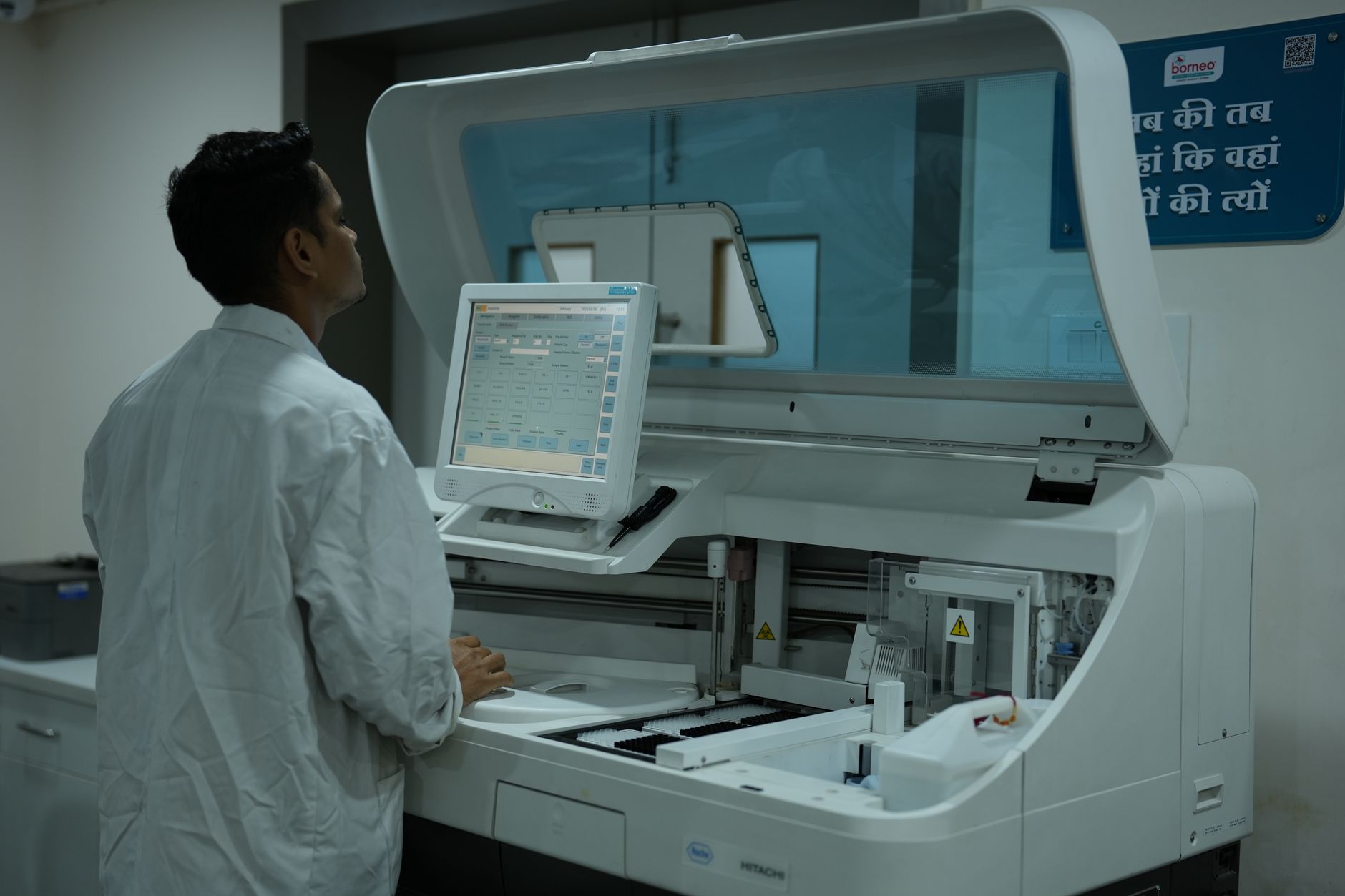
Doctors spent years assuming artificial intelligence would handle the grunt work — the scheduling, the billing, the tedious data entry — while clinical judgment remained safely human. That assumption is cracking. According to a Wired investigation into AI’s expanding role in clinical medicine, AI systems are now performing at or above physician-level on diagnostic tasks that were once considered the irreducible core of medical expertise. The profession is asking, with genuine urgency, what exactly is left for humans to do. For anyone watching the risk trust market balloon toward $11.6 billion by 2031, medicine is fast becoming the highest-stakes test case.
The shift is not incremental. AI tools are reading radiology scans, flagging early-stage cancers, triaging emergency cases, and generating differential diagnoses — tasks that define what it means to be a clinician. Some systems are doing it faster and, in controlled studies, more accurately than their human counterparts. The question is no longer whether AI can do medicine. It is whether health systems, regulators, and patients are ready to let it.
Benchmark Scores That Are Hard to Argue With
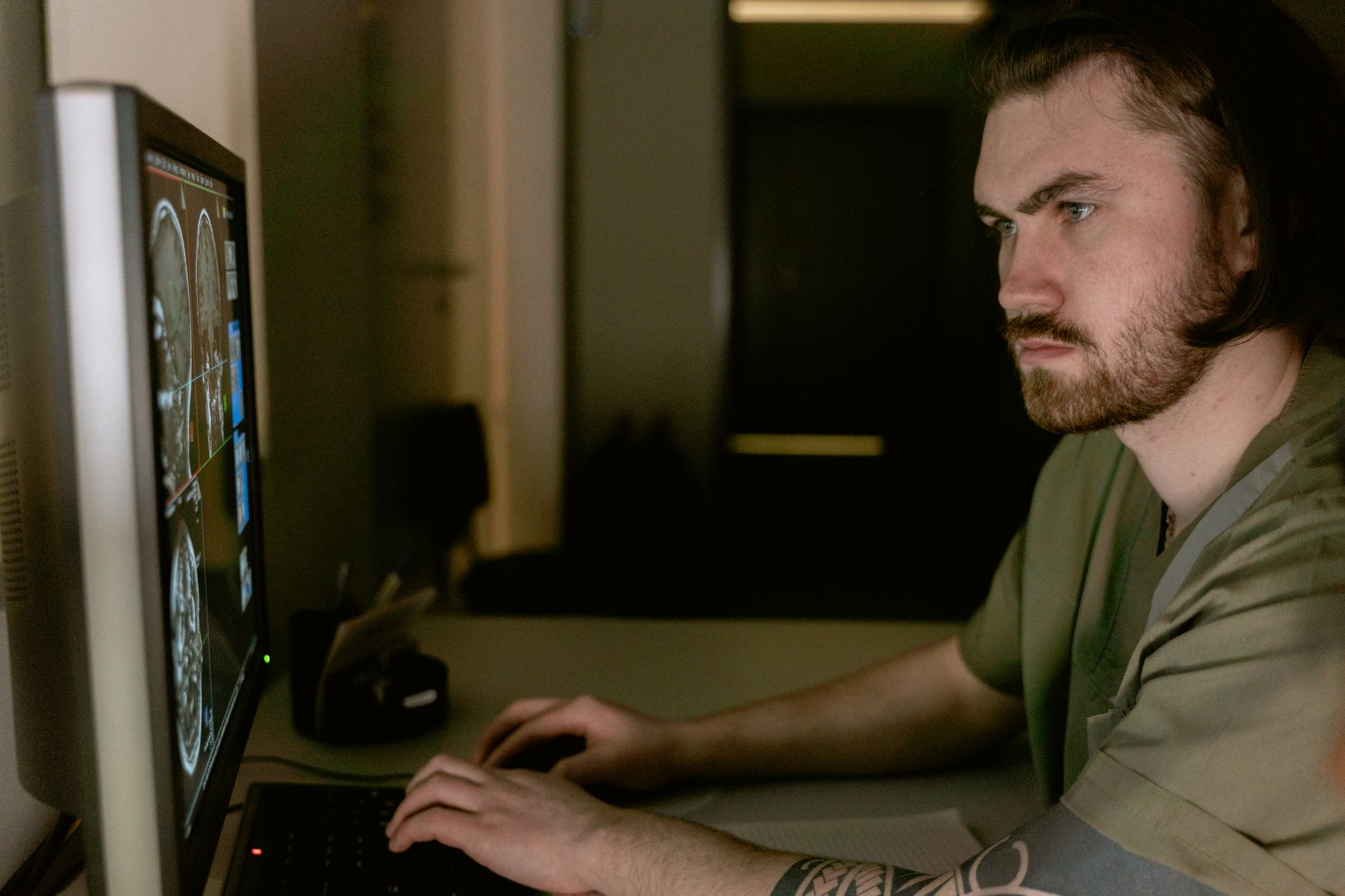
The performance numbers are difficult to dismiss. Large language models from OpenAI and Anthropic have cleared the United States Medical Licensing Examination threshold, and purpose-built clinical AI platforms are posting diagnostic accuracy rates that rival attending physicians in specific domains. Platforms like OpenEvidence and Doximity have been deployed in real clinical workflows, putting AI-generated recommendations directly in front of practicing doctors.
But capability is not the same as reliability. A report medical AI exposed a consistent flaw cutting across OpenEvidence, OpenAI, Anthropic, and Doximity platforms: all four exhibited the same category of error under evaluation conditions, raising pointed questions about whether high benchmark scores translate to safe, consistent performance across the full spectrum of patient cases. Passing a licensing exam in ideal conditions and navigating a 2 a.m. ICU edge case are not the same challenge. That gap between benchmark brilliance and real-world robustness is exactly where physicians argue their value still lives.
The Identity Crisis Medicine Did Not See Coming
What Wired captures that raw benchmark data cannot is the psychological dimension of this shift. Physicians are not just worried about job displacement in an abstract economic sense — they are confronting a professional identity built around the idea that clinical judgment is a uniquely human act. If an algorithm can absorb a patient history, order the right labs, and generate a diagnosis faster than a resident, what does years of medical training actually confer?
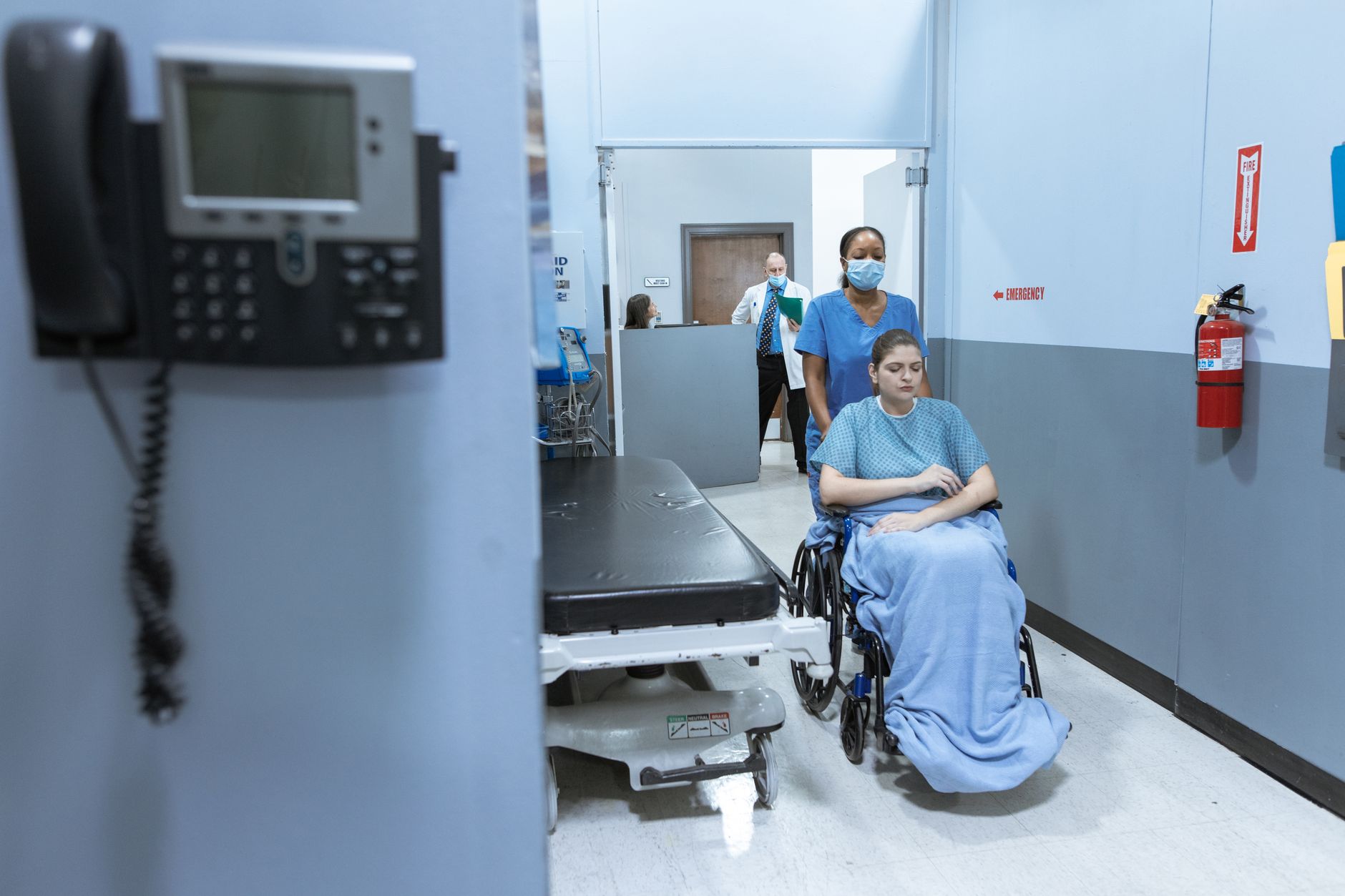
Some clinicians argue the answer lies in the relational and ethical dimensions of care: delivering a terminal diagnosis, navigating a family’s grief, holding the line on a treatment a patient doesn’t want but needs. Others are less sentimental and more strategic, pointing to procedural specialties — surgery, interventional cardiology, complex endoscopy — where physical dexterity still separates human from machine. Robotics is closing that gap too, but slowly enough that surgeons feel less immediately threatened than diagnosticians. Meanwhile, OpenAI’s agent ambitions signal that autonomous AI acting across entire workflows — not just answering discrete clinical questions — is the direction the technology is heading. For medicine, that means the disruption is still early. The hardest questions are still ahead.