
Drone autonomy startup XTEND is hitting the New York Stock Exchange this week carrying a $1.5 billion valuation — and a balance sheet that shows losses still widening. For investors, that tension is apparently not a dealbreaker. The company’s public market debut is one of the more closely watched defense-tech listings of 2025, a signal of just how hot autonomous aerial systems have become as a category, even when profitability remains a distant horizon. The story was first reported by Calcalist Tech.
XTEND builds what it calls “human-machine teaming” platforms — drone systems designed to amplify individual operators rather than replace them entirely. The company’s flagship technology lets a single soldier or security professional control complex aerial missions through an intuitive interface, lowering the skill floor for drone operation dramatically. That pitch has found a receptive audience not just in defense circles but among investors tracking the broader defense imaging market, where autonomous sensing and targeting capabilities are driving a multi-billion-dollar expansion.
The Numbers Behind the Listing
XTEND’s IPO comes despite the company reporting widening net losses heading into the public offering. The $1.5 billion valuation is not anchored in current earnings — it’s anchored in future contract potential and technological differentiation. According to the Calcalist report, the company has been scaling rapidly, building out its customer base across defense and security verticals in multiple countries. Revenue is growing, but expenses are outpacing it, a familiar pattern for deep-tech hardware companies chasing defense procurement cycles that can take years to fully materialize.
The NYSE listing structure means XTEND will now face quarterly public scrutiny of those numbers — a significant shift for a company that has operated largely outside the public eye. That accountability pressure cuts both ways: it raises the stakes on every earnings call, but it also opens up a new capital pipeline. Public market access lets XTEND move faster on R&D, pursue larger government contracts that require demonstrated financial stability, and attract institutional investors who can’t touch private rounds. The gross-loss reality is real, but so is the strategic logic of going public now rather than waiting.
Why Autonomous Drone Tech Is Drawing Investor Heat
XTEND is not listing into a vacuum. The broader autonomous systems sector is drawing serious capital across both private and public markets. Investors who have been watching industrial automation mature in sectors like mining are now applying that same thesis to airborne platforms — the idea being that autonomous operation at scale, once cracked, creates extraordinarily durable competitive moats. XTEND’s human-machine teaming approach is a particular bet: rather than fully autonomous drones that face steep regulatory and ethical headwinds, the company keeps a human in the loop while still delivering performance no manual operator could match unaided.
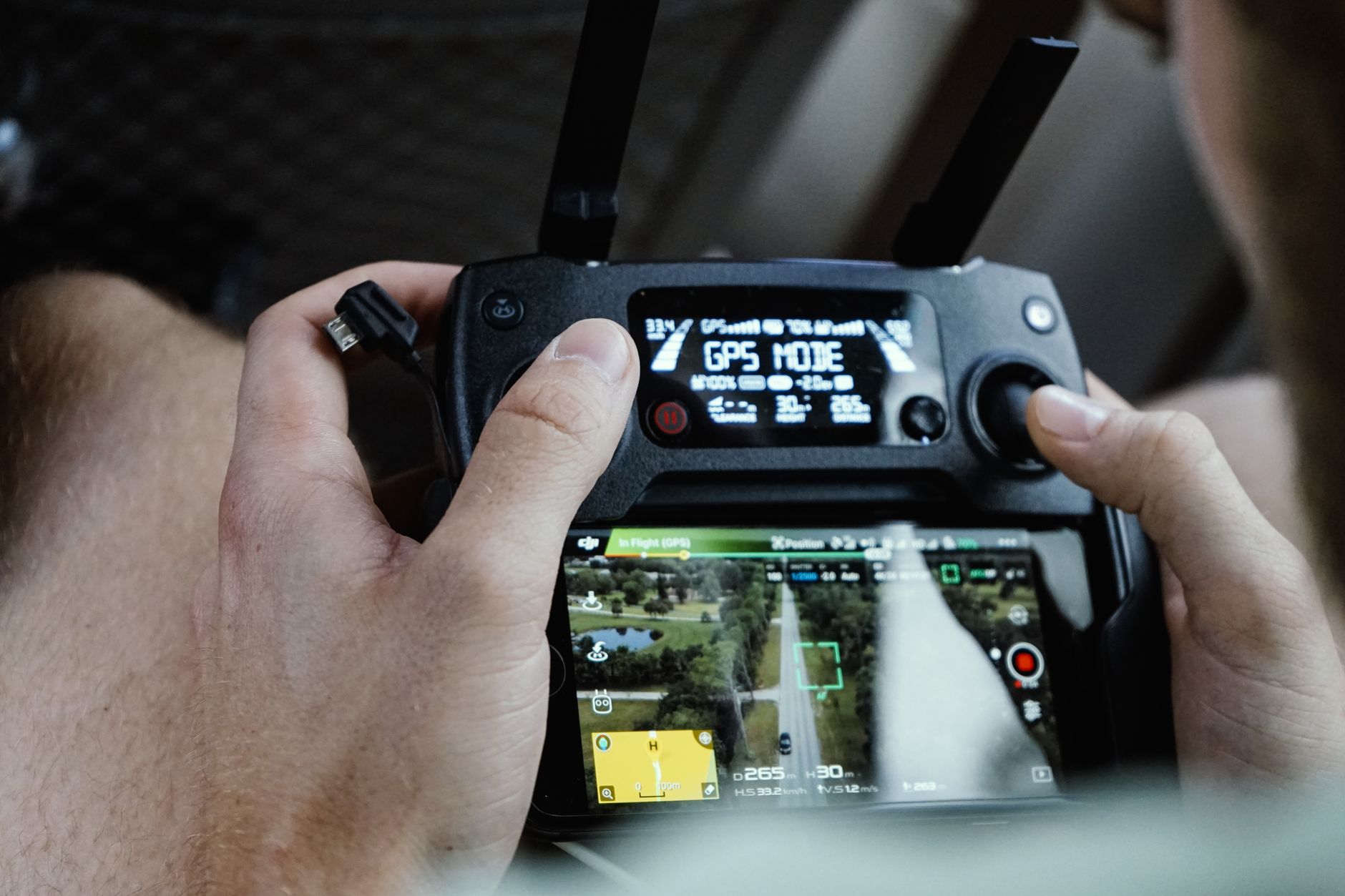
That positioning has real appeal in 2025’s procurement environment, where defense ministries are actively looking for systems that are lethal-capable but maintain human authorization at decision points. XTEND’s tech reportedly reduces the cognitive load on operators significantly, enabling faster reaction times and more complex mission execution. Whether that translates into the kind of large-scale government contracts needed to flip the loss column remains the central question hanging over this IPO — and the one the public markets will be asking about relentlessly going forward.
For now, the $1.5 billion valuation reflects a bet that XTEND’s technology lead is durable enough to outlast the burn. In defense tech, that kind of patient capital has paid off before. The NYSE debut this week will show just how much patience the market is actually willing to extend.