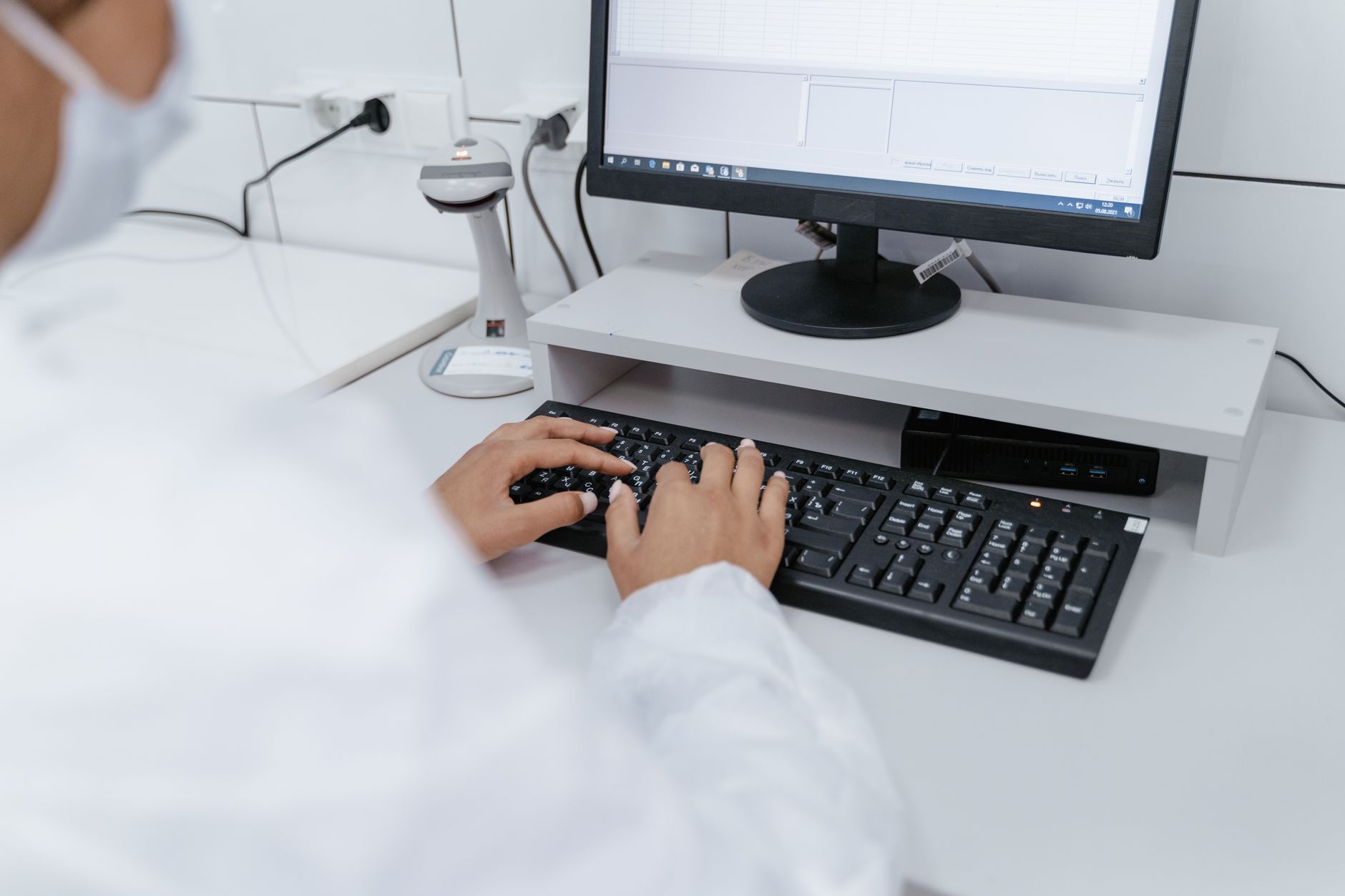
For decades, Israel’s ultra-Orthodox, or Haredi, community sat largely outside the country’s booming technology economy. That is changing — and fast. Haredi women in particular are entering high-tech jobs in growing numbers, carving out a foothold in an industry that once seemed culturally and practically out of reach. But as Calcalist Tech reports, that foothold is precarious: the AI wave now reshaping white-collar work threatens to hollow out exactly the kinds of entry-level, task-oriented roles these women have worked to access. The timing is brutally ironic.
The growth is real and documented. Programs tailored to Haredi women — accounting for modest dress codes, gender-separated classrooms, and scheduling around religious obligations — have helped funnel thousands of women into tech-adjacent positions in software quality assurance, data labeling, back-office operations, and coding support. These are precisely the roles that AI agents and large language models are now beginning to automate at scale. What took years of community trust-building and curriculum design to open up may shrink as a job category within the same decade.

A Community Breaking Into the Workforce, Carefully
Haredi society places enormous value on religious study, particularly for men, which has historically kept Haredi households dependent on a single income — or on state support — while limiting women’s professional options to teaching, social work, or secretarial roles within the community. High-tech represented a triple barrier: secular culture, mixed-gender environments, and demanding schedules. The programs that began dismantling those barriers did so through deliberate cultural accommodation, partnering with rabbinical authorities, building separate tracks at colleges like Machon Tal and Haredi-specific campuses of established universities, and designing curricula that fit around Shabbat and Jewish holiday schedules.
The results have been notable. Haredi women now represent a disproportionately large share of ultra-Orthodox tech entrants compared to Haredi men, many of whom remain in full-time yeshiva study. Roles in software testing, technical support, and data processing became a realistic pathway — structured, task-defined, and compatible with a lifestyle that values clear boundaries between work and religious life. Entire cohort-based training pipelines emerged to serve this population, some backed by government workforce development funds and some by private tech employers looking to broaden their hiring base.
AI Arrives Just as the Door Opens
The problem is structural. The entry points Haredi women have accessed — quality assurance, data annotation, document processing, rote coding tasks — sit squarely in the category that AI tools are most rapidly replacing. Generative AI and automated testing frameworks are already compressing headcount in QA departments across the industry. Data labeling, once a reliable source of flexible, scalable work, is being partially absorbed by synthetic data generation and self-supervised learning pipelines. The ladder that was just installed may be losing its lower rungs.

That does not mean the opportunity disappears — but it does mean the required skill level is shifting upward faster than many workforce pipelines can adapt. Haredi women who move into more complex roles — software development, product management, cybersecurity, AI model oversight — will be better positioned to survive the transition. The question, as Calcalist Tech frames it, is whether the community’s educational and training infrastructure can evolve quickly enough, and whether employers will invest in upskilling rather than simply automating and moving on. The AI deployment pace across enterprise tech suggests the window for adjustment is narrower than it might appear. The ultra-Orthodox women who fought hardest to get into this industry may find themselves on the front line of its most disruptive moment yet.