Amazon’s second Prime sale of the year is no longer a rumor or a countdown — it is happening now, and the discounts are real enough to act on. The Verge’s roundup of the Prime Day deals covers dozens of categories, from audio and smart home to laptops and robot vacuums, with price cuts that rival what shoppers saw in July. If you have been waiting to upgrade a device — say, your aging Android — this is a good moment to reassess, especially given what we found when reviewing the Google Pixel 11 earlier this year.
The sale’s breadth is notable. Amazon is discounting its own hardware aggressively, but third-party brands are keeping pace. The window to capture these prices is narrow, so knowing which categories are genuinely marked down versus cosmetically discounted matters more than it might seem.
Robot Vacuums and Smart Home Gear Are Leading the Charge
One of the standout deals in the cleaning-tech category is the Narwal Freo Z10 robot vacuum. According to CNET’s coverage, the Freo Z10 is seeing $250 knocked off its regular price during the early sale window — a significant cut for a machine that combines vacuuming and mopping in a single unit with an auto-empty dock. For anyone who has been eyeing the premium robot vacuum segment but balked at the usual four-figure pricing, this is the kind of discount that closes the gap.
Smart displays, smart plugs, and connected lighting are also well represented. Amazon’s own Echo ecosystem is seeing price reductions across multiple generations, though not every Echo deal is equally compelling. Wired’s breakdown of Echo device deals makes a point of flagging which discounts are genuinely steep and which are marginal, noting that older Echo Dot models are being discounted more aggressively than the newer Echo Show lineup. That distinction matters if you’re buying for voice control versus a full smart-display experience.
Laptops, Headphones, and the Categories That Reward Patience
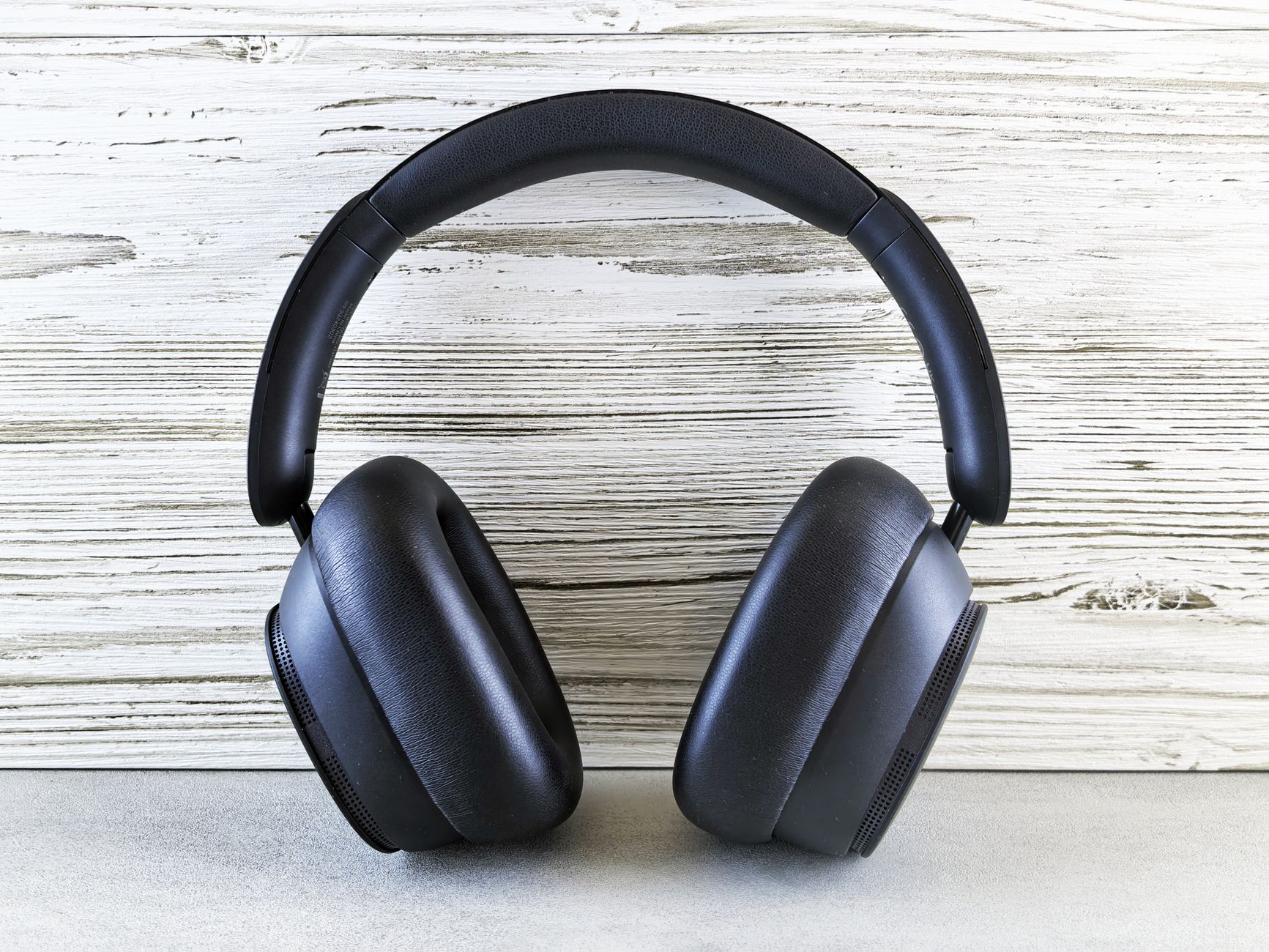
Beyond the smart home, The Verge’s editors highlight meaningful price drops on wireless headphones and laptops — traditionally strong Prime Day categories. Noise-canceling headphones from major manufacturers are showing discounts in the 20 to 40 percent range, and mid-range laptops are seeing some of their lowest prices of the calendar year. These are product categories where waiting for a second major sale event — rather than buying at back-to-school pricing — tends to pay off, and October Prime Day is delivering on that logic this year.
The bigger picture here is about how Amazon has structured its retail calendar. Running two major sale events annually — July Prime Day and October’s Prime Big Deal Days — gives the company two windows to accelerate hardware adoption and lock users deeper into its ecosystem. For consumers, that means two chances per year to time big purchases strategically. For Amazon’s competitors in the smart home and streaming hardware space, the pressure to match pricing in real time has become relentless. Wired’s broader look at early Prime Day deals underscores how third-party sellers are now synchronizing markdowns with Amazon’s own event cadence, effectively extending the sale’s footprint well beyond Amazon’s own product lines.
The core advice from The Verge’s deal editors holds: focus on items you have already identified as needs, cross-reference prices against tools like CamelCamelCamel to verify the discount is real, and prioritize categories — robot vacuums, Echo hardware, headphones, and laptops — where the current cuts are historically deep rather than superficially staged.