Start with a lake. It’s 10 square kilometers of toxic industrial effluent sitting on the edge of Baotou, an industrial city of 2 million in Inner Mongolia. The Weikuang Dam — also called the Baogang Tailings Dam — has been collecting waste from decades of minerals processing for China’s iron, steel, and rare-earths industries since the late 1950s. It holds significant concentrations of radioactive thorium, a byproduct of processing monazite ore for rare earths. According to IEEE Spectrum, in a collaboration with Foreign Policy, industrialized nations in North America, Asia, and Europe are spending billions to shore up their rare-earths supply chains, and counting heavily on monazite to help them do it.
More from Future Wire: Boomi Acquires Israeli.
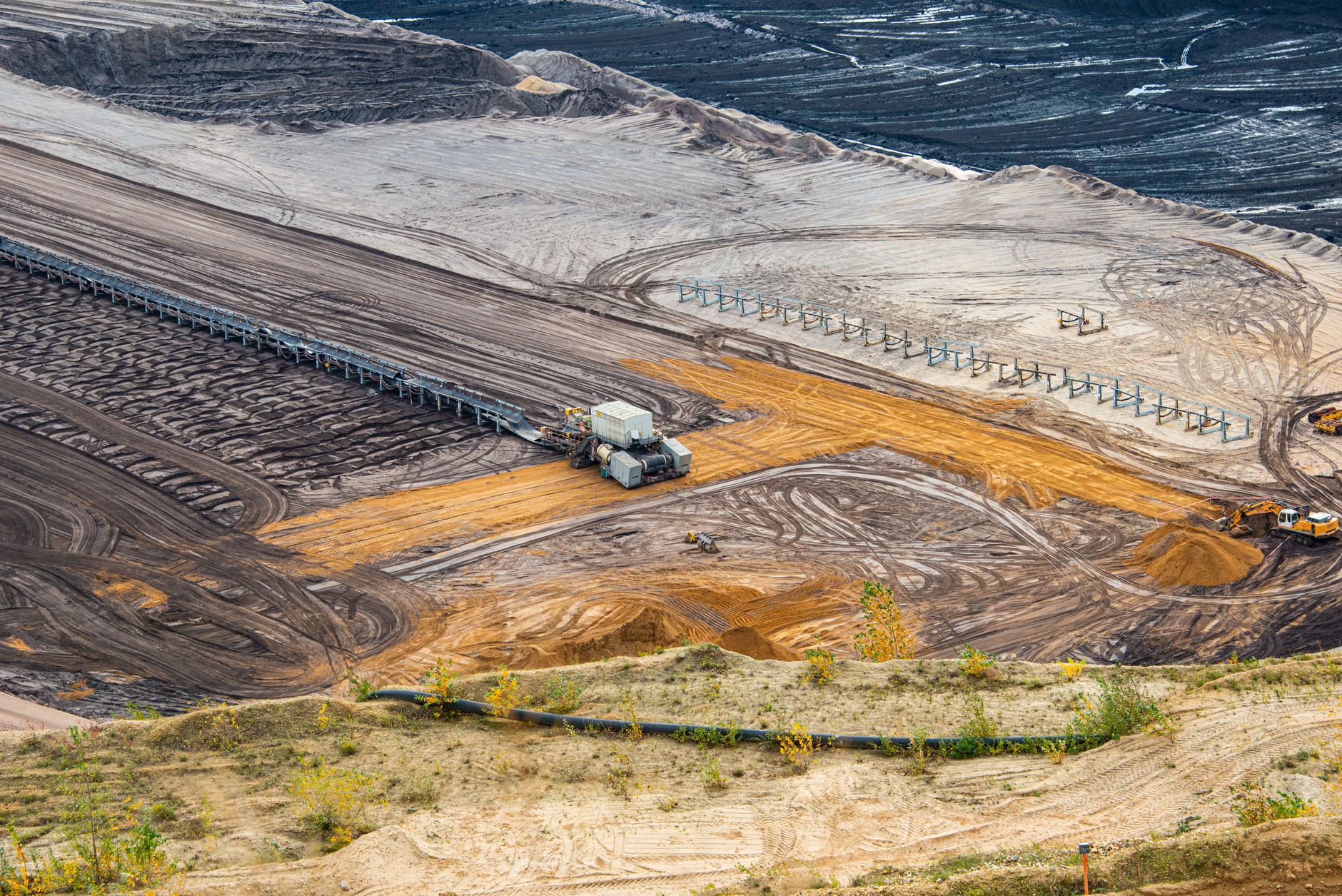
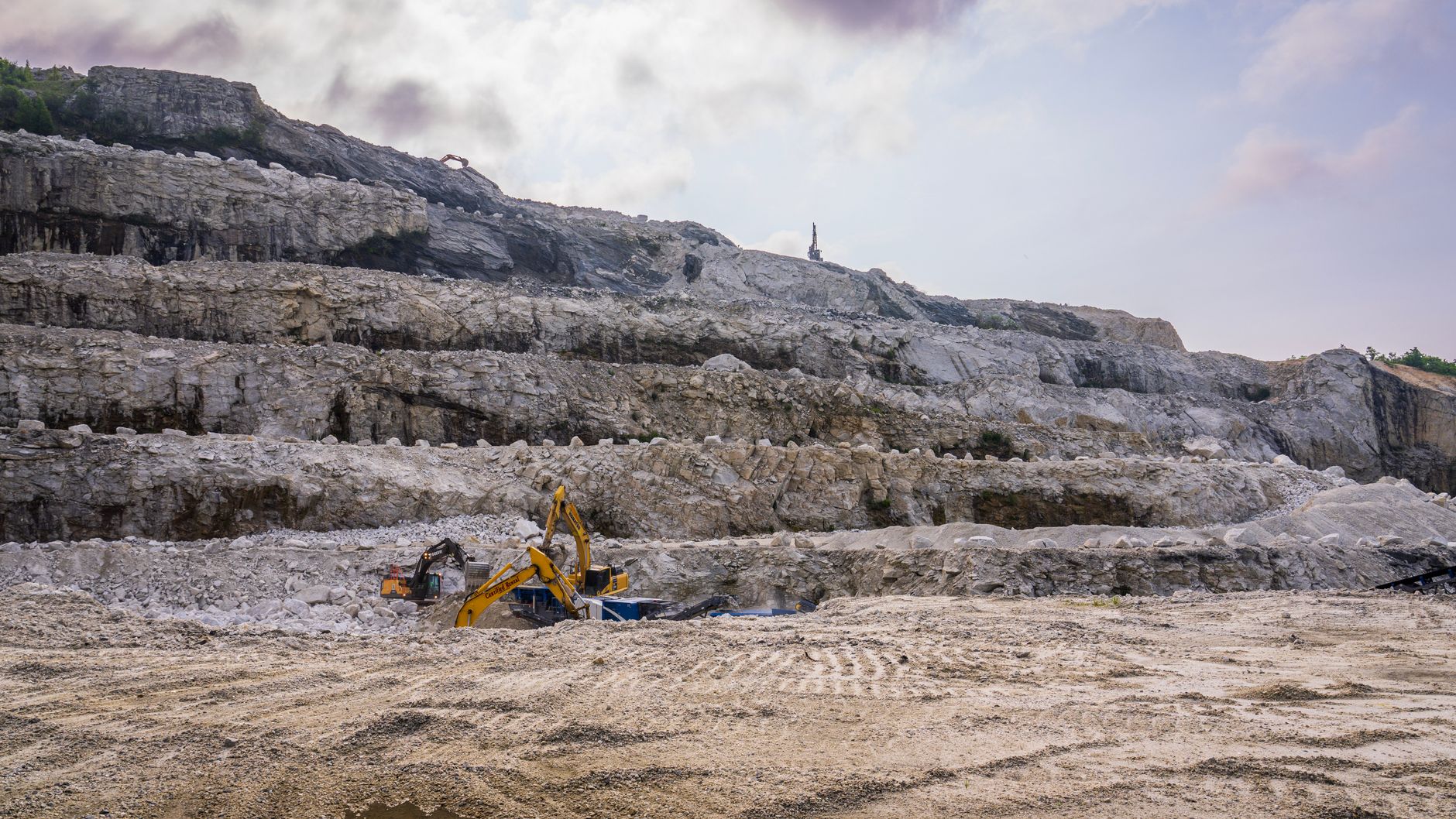
Most of its domestically mined monazite comes from a single complex: Bayan Obo, located 150 kilometers north of Baotou. Bayan Obo is primarily an iron-ore mine, but it also contains the largest known rare-earth deposit in the world and is the source of nearly half of all rare-earth ore mined globally in a typical year. Roughly 30 to 40 percent of the rare-earth ore mined there is monazite. Ore from Bayan Obo was used to produce 170,000 tonnes of rare-earth metal last year, according to David Merriman, research director at minerals intelligence firm Project Blue.
70,000 Tonnes and a Four-Port Bottleneck
Domestic production is only part of the picture. China imported more than 70,000 tonnes of monazite ore last year, according to Thomas Kruemmer, a Singapore-based consultant on minerals and metals. Shipping it is no simple task: concentrated monazite is classified as Class 7 dangerous cargo under the International Maritime Dangerous Goods Code, because of its radioactivity, and can enter China through only four ports. Some imports are also supposed to flow through a joint venture between the China National Nuclear Corp. and Shenghe Resources, both at least partly state-owned. But Merriman notes that a lot of imported monazite bypasses those controls entirely — companies import heavy mineral sands, which may contain around 2 to 3 percent monazite by weight and are not subject to the same restrictions, then separate out the monazite concentrate and process it for rare earths.
China has also been stepping up efforts to secure rare-earth ore assets around the world. Kruemmer says one driver is straightforward: making up for lost supply. In 2025, the U.S. government invested $400 million in MP Materials, which operates the Mountain Pass mine and processing facility in California — a deal that ended long-standing contracts under which MP Materials had been selling tens of thousands of tonnes of rare-earth concentrate annually to a trading affiliate of Shenghe Resources. Some Western observers argue that China’s overseas acquisitions serve a strategic purpose as well, locking down rights to deposits and projects abroad and making them unavailable to non-Chinese developers.
The government has made a conditional loan commitment of up to $725 million to Energy Fuels, a U.S. monazite processor that has been aggressively securing monazite supplies in Australia, Brazil, and Madagascar. Merriman is careful to note that perspective shapes interpretation here. China, he points out, is largely doing what it has done for decades. “China’s playing its game,” Merriman says.
China no longer permits stand-alone monazite mines, largely because of the environmental disaster the dam represents.