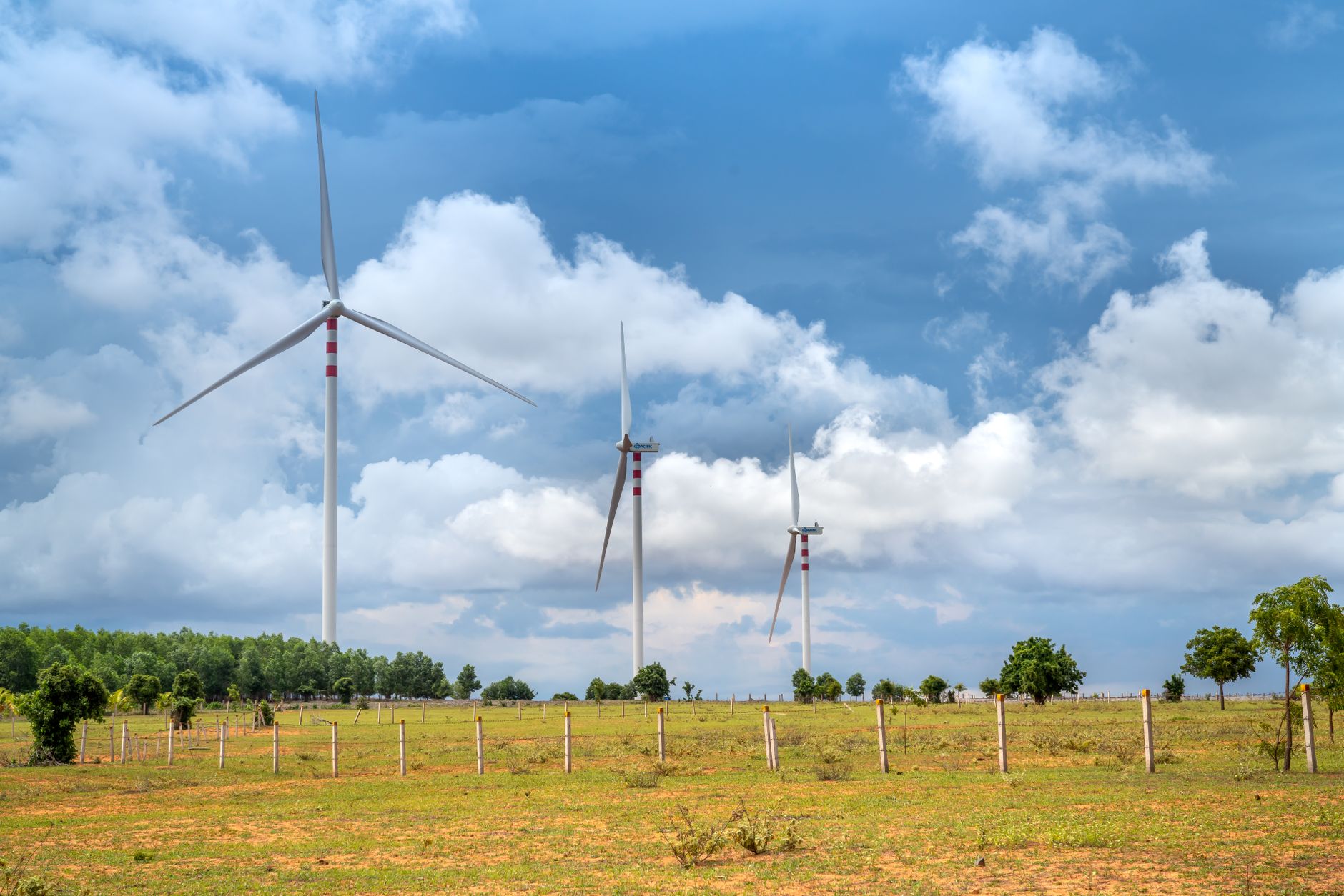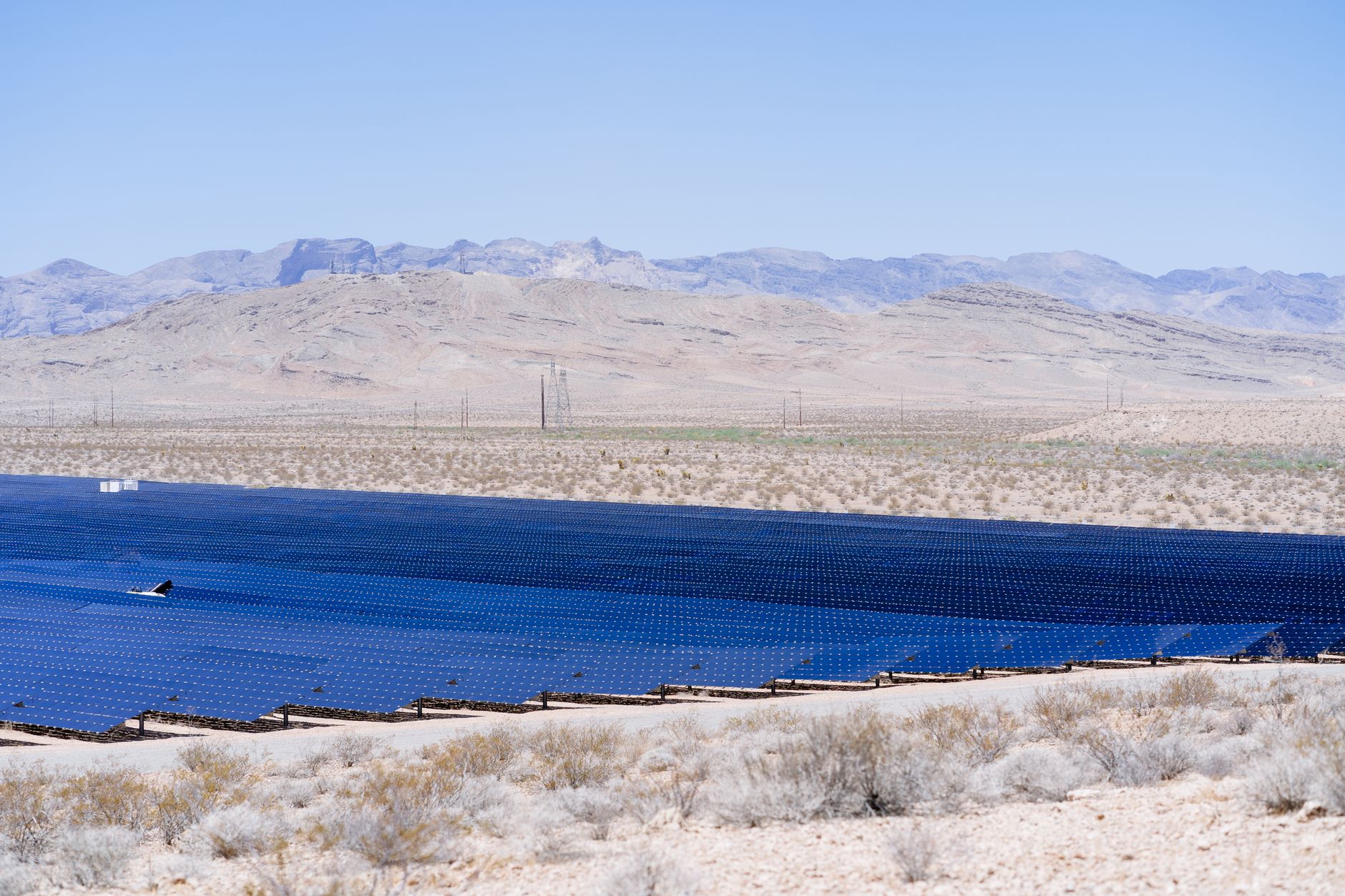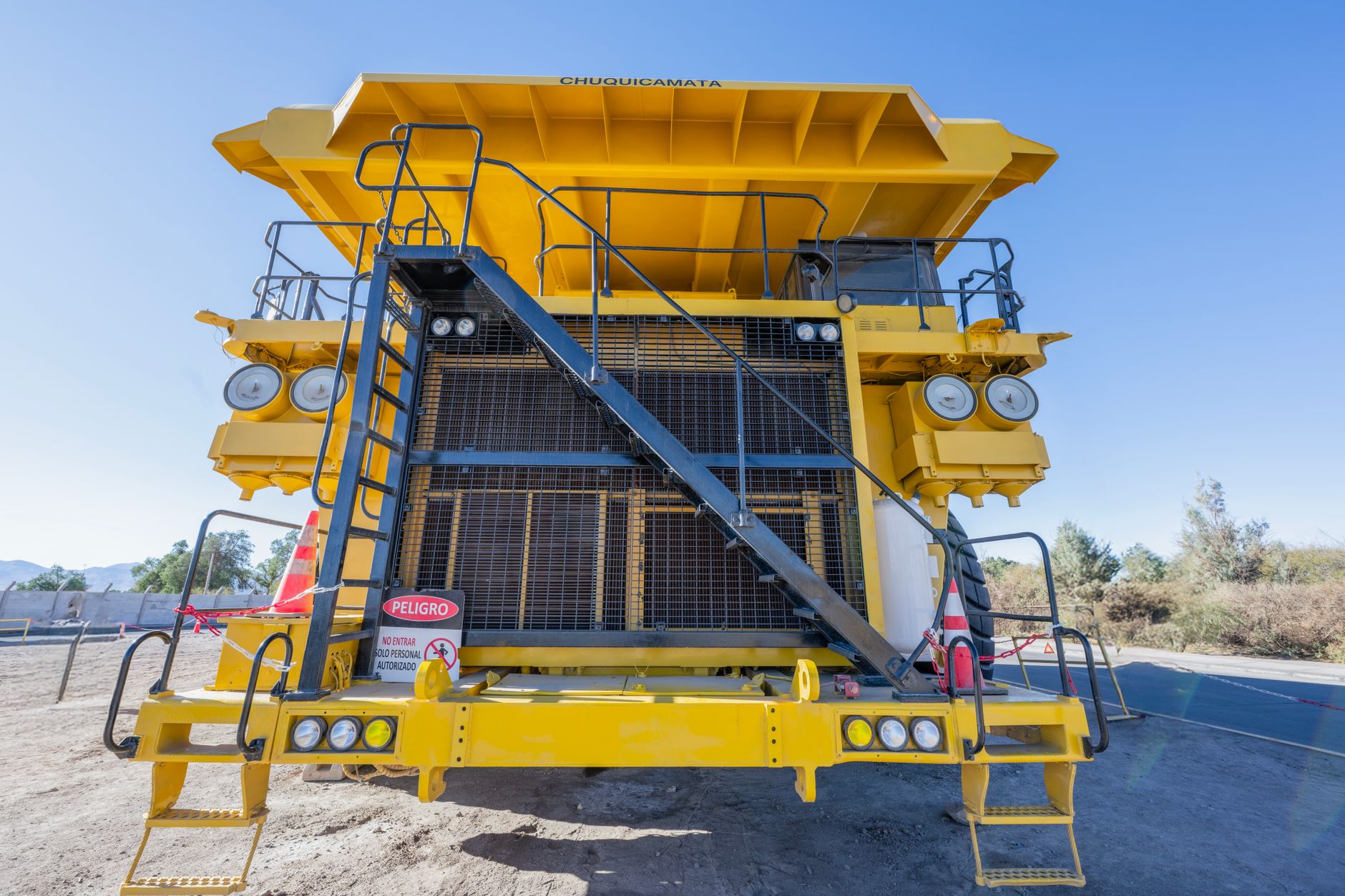
Forget waiting for the next rare earth rush—Latin America’s copper veins and renewable power sources might be just what the AI data center explosion is hungriest for. As global AI buildouts shove power and materials demand skyward, the region sits over a motherlode of what comes next: copper, oil, gas, and critical minerals. But there’s a catch—and it’s spelled “infrastructure.” The timelines won’t wait: Goldman Sachs projects data center power demand to soar 170% globally by 2030, and the International Copper Study Group forecasts a copper demand leap just as supply struggles to keep pace.
More from Future Wire: Boomi Acquires Israeli.
Resource Powerhouses Meet Real-World Obstacles
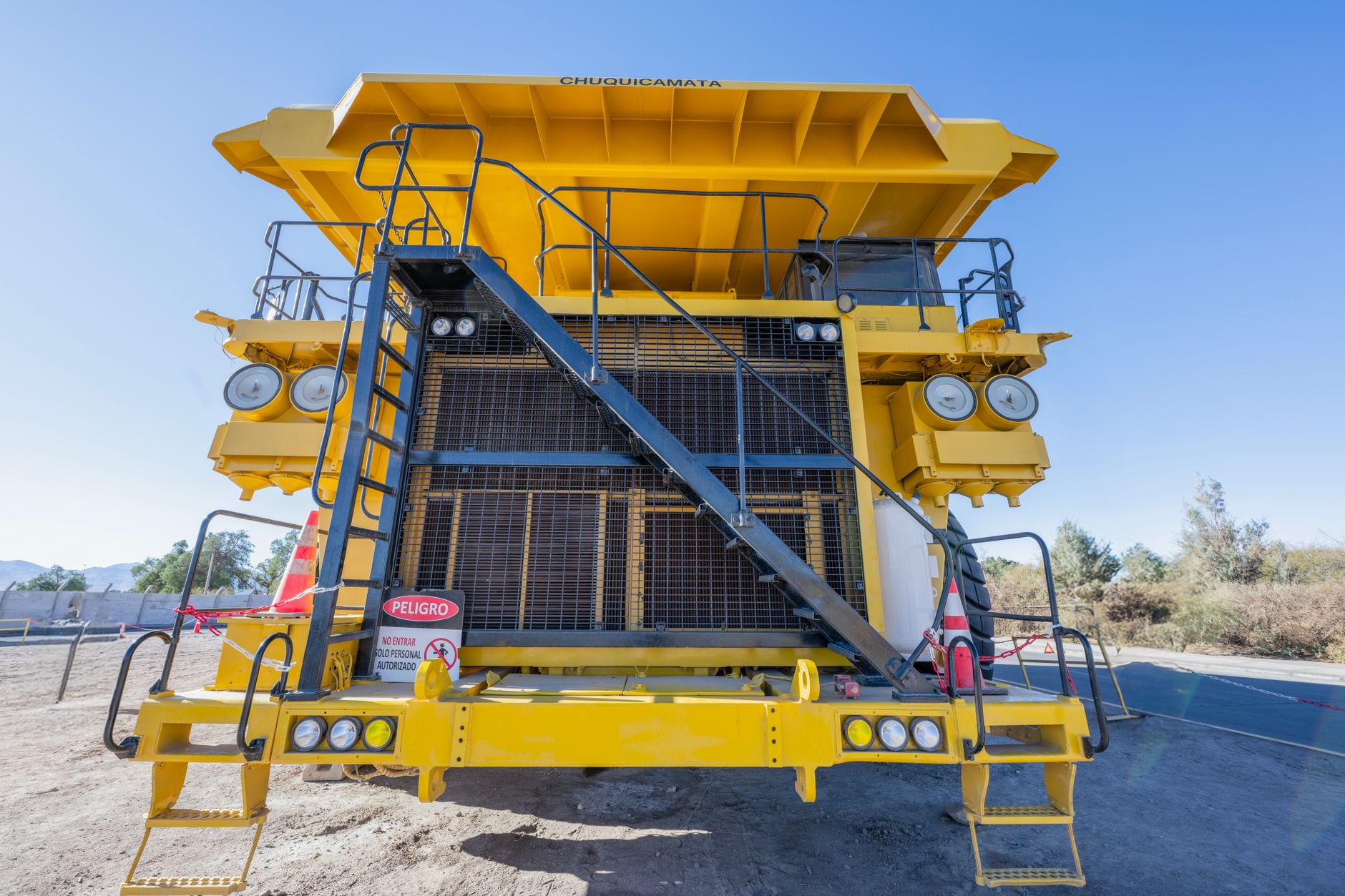
Chile’s copper sector shines as both a case study in supply potential and a lesson in growing pains. The state copper commission, Cochilco, noted an 8.5% slump in copper output through the first nine months of 2026—thanks to maintenance hiccups, lower ore grades, and operational snags—even as demand for refined copper accelerates. Yet optimism has a number: the agency raised its 2027 copper price forecast from $5.10 to $5.95 a pound. State producer Codelco is exploring new public-private partnerships around these opportunities. “As countries expand electricity grids, they need more copper regardless of which power source they choose,” said Rafael Ch of Signum Global Advisors, highlighting the insulation of copper demand from swings in the broader energy mix.
Argentina is unlocking oil and gas with its Vaca Muerta shale, but investors still see the region’s missing pipelines and ports as the true bottleneck.
Capturing the Value—Not Just the Ore
Brazil adds another twist, with its renewable-heavy grid—89% renewable by 2025, according to its energy ministry—and the world’s second-largest rare-earth reserves. But there’s a yawning gap between what’s in the ground (11 million metric tons) and what’s actually mined (2,000 metric tons in 2025, per USGS). This gap, as CNBC highlights, embodies the gigantic opportunity and the execution risk that global investors are weighing. “Improving refining capacity will be crucial to capture more of that value,” said Monica de Bolle of the Peterson Institute.
Source: CNBC report.
Featured image: Representative stock photo: Miguel Cuenca / Pexels