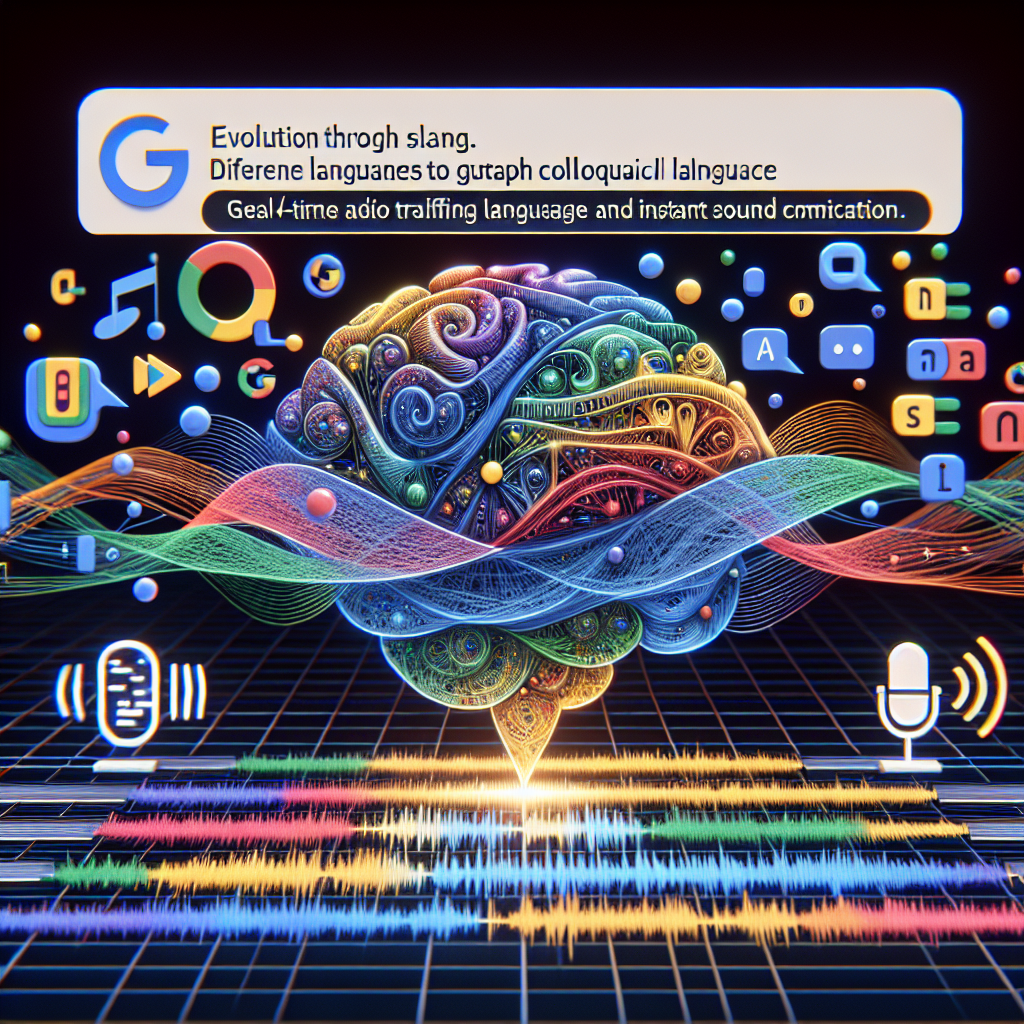
Google Translate has taken a significant leap forward in its ongoing evolution, now incorporating the ability to recognize and interpret slang, idiomatic expressions, and colloquial sayings—longstanding challenges in the field of machine translation. As reported in the article “Google Translate Now Understands Slang, Sayings, and Can Talk Through Your Headphones” by StartupNews.fyi, the update represents one of the most substantial overhauls to the platform in recent years, marking a move toward more natural and nuanced language understanding.
The upgrade is powered by developments in generative AI and large language models, technologies that have seen rapid advancement and widespread implementation across the tech industry. These models enable translation tools to move beyond literal, word-for-word translations and instead consider context, tone, and cultural subtleties. Users can now expect more fluid translations that better reflect how native speakers actually communicate—especially in informal settings where traditional translation software often falls short.
In addition, Google Translate will offer a conversational audio feature that allows users to hear translations directly in their headphones. Integrated with devices such as Pixel Buds, this functionality provides real-time spoken translations, facilitating smoother multilingual interactions in both casual and professional environments. The feature also includes settings to adjust voice tone and speed, further personalizing the experience to suit individual user preferences.
According to Google, these enhancements aim to reduce friction in cross-language communication and bridge cultural gaps more effectively. While the system isn’t flawless—slang and idioms can vary widely across regions and communities—it represents a significant step toward more context-aware machine translation. Google has indicated that continued refinements will be made based on user feedback and evolving language trends.
The expansion of Google Translate’s capabilities is part of a broader industry movement toward more conversational AI-driven tools. As international interactions—whether through travel, remote work, or digital communication—become increasingly frequent, the demand for accurate, culturally sensitive translation has grown. Google’s latest improvements seek to address these needs with greater sophistication than ever before.
Overall, this development positions Google Translate not just as a functional tool for basic language conversion, but as a more intelligent and adaptive assistant capable of navigating the complexities of human communication.