As artificial intelligence continues to embed itself ever more deeply into the fabric of daily life, a new phase of technological evolution is beginning to take shape—not on screens or in the cloud, but in physical space itself. In its January 13 article, titled “Physical AI is the Next Frontier—and It’s Already All Around You,” StartupNews.fyi explores the rise of intelligent hardware systems that blend machine learning with real-world functionality, forming a nascent field often referred to as “physical AI.”
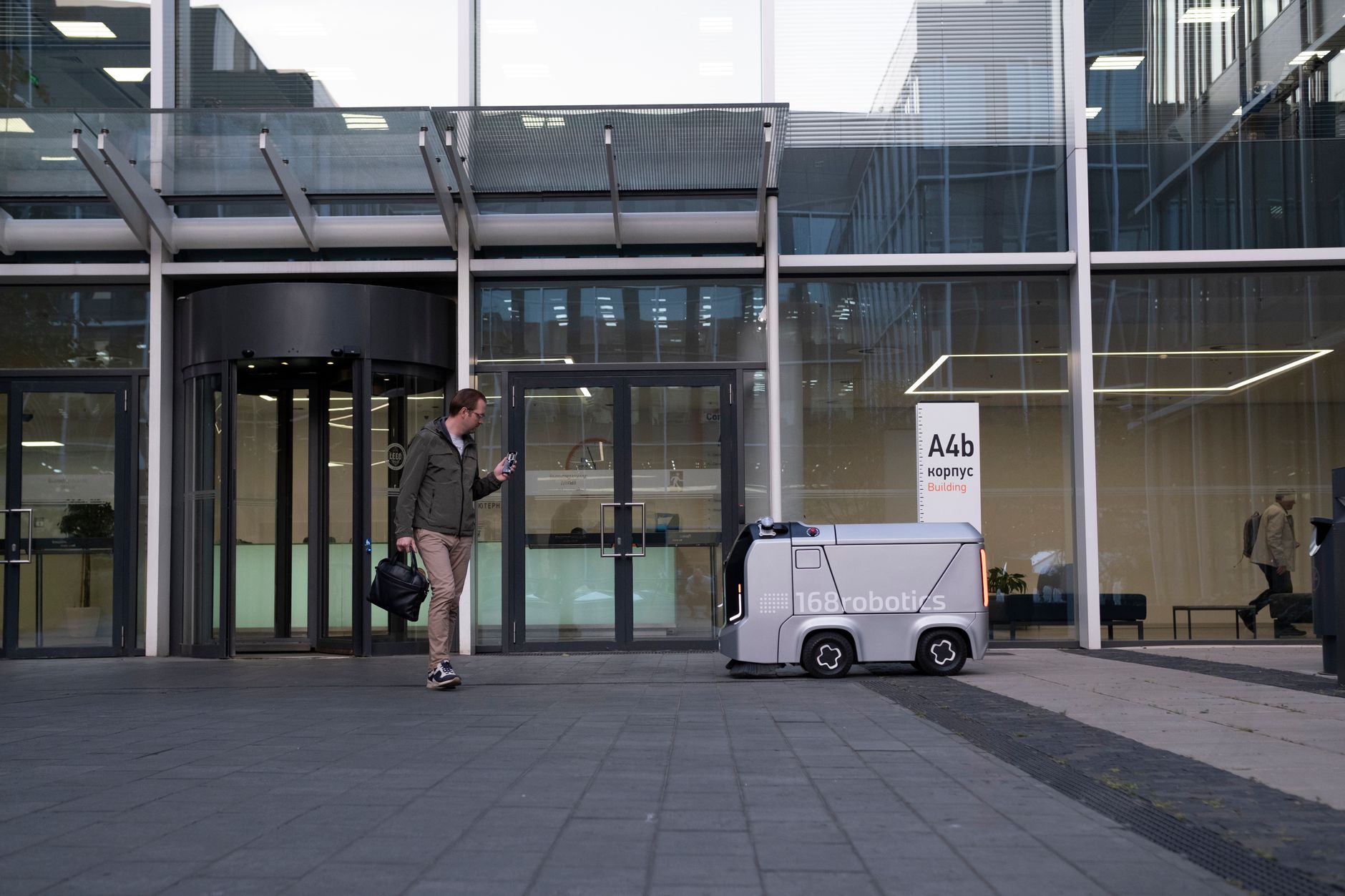
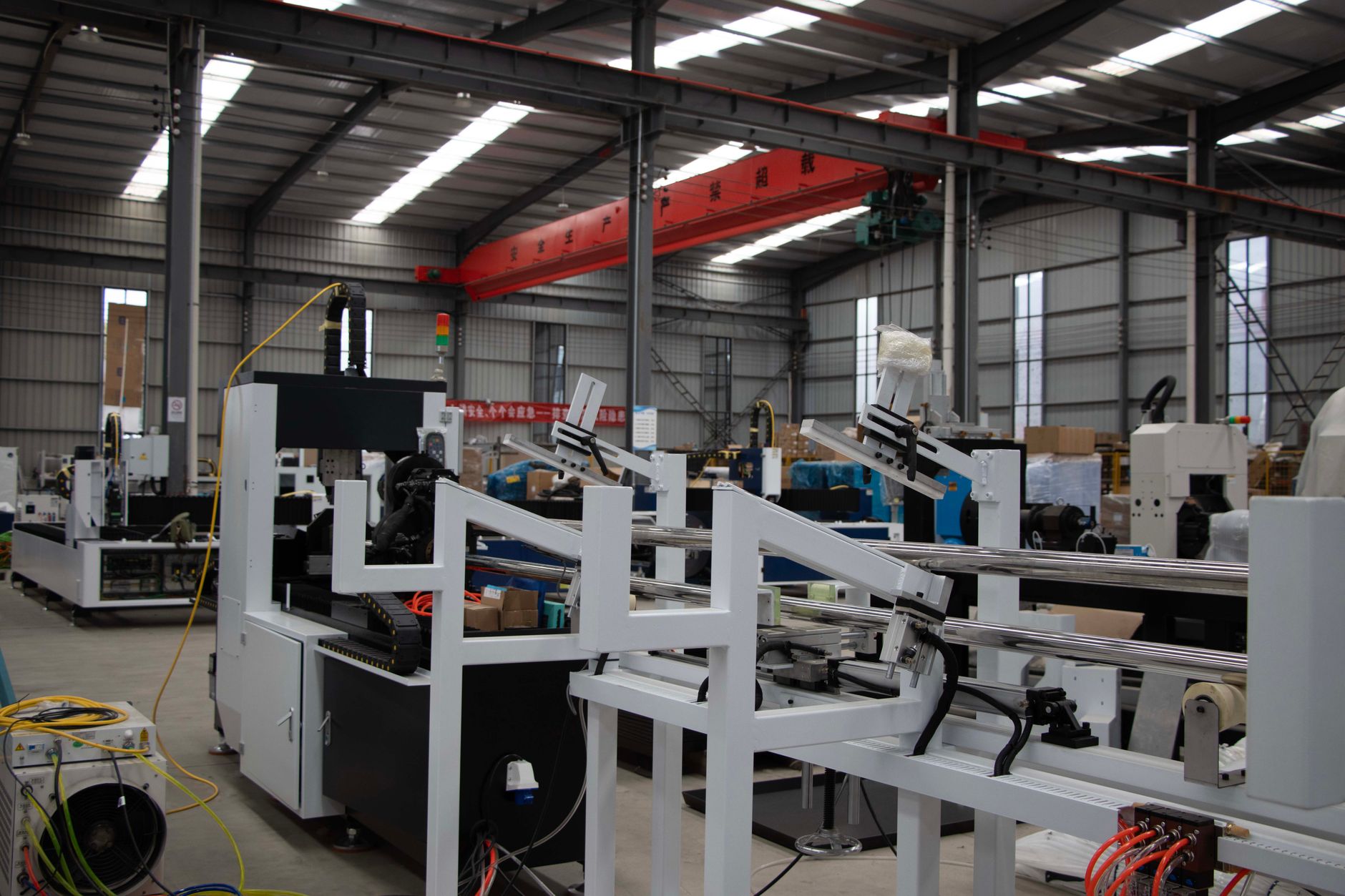
These systems move beyond pure computation or software-based automation to integrate AI directly into tangible, interactive devices. From self-driving vehicles and autonomous delivery robots to sensor-infused consumer products and adaptive manufacturing tools, physical AI is changing not only what machines can decide, but what they can do and where they can go.
Unlike traditional digital AI applications, which remain largely confined to digital platforms—think recommendation algorithms or language models—physical AI brings cognition to motion. It allows devices to perceive their surroundings, make decisions on the fly, and physically interact with the world. Underpinning this are advances in edge computing, more efficient neural networks, and a significant drop in the costs associated with sensors and embedded systems.
The StartupNews.fyi article highlights startups and established companies alike that are pioneering breakthroughs in this space. It points to AI-driven robots navigating warehouses, delivery drones dynamically adjusting to traffic conditions, and home appliances transforming into predictive, self-optimizing systems. The physical AI movement, it argues, represents a reframing of intelligent systems not just as services we access but as agents that actively share our environments.
Yet, the integration of AI into the physical world carries with it a complex set of challenges. Safety, for one, becomes imperative. A chatbot making an error may cause confusion; a malfunctioning AI-powered vehicle could have far more serious consequences. Furthermore, ethical considerations about surveillance, labor displacement, and algorithmic decision-making in high-stakes environments remain unresolved.
Still, the momentum behind physical AI suggests we are on the precipice of a long-term shift. Investments in robotics and intelligent hardware have surged, research into machine-human interaction is expanding, and regulatory frameworks are beginning to evolve to keep pace. What was once the domain of science fiction—machines that sense, think, and act in the real world—is now rapidly becoming marketable reality.
While AI’s earliest wave digitized thought, its next frontier may well be in giving that thought form, presence, and motion. As StartupNews.fyi notes, physical AI may be “already all around you”—a quiet but transformative presence with the potential to redefine how humans and machines live, move, and work together.