A senior executive at Applied Materials has cautioned that the rapid expansion of artificial intelligence will hinge not only on advances in semiconductor manufacturing, but also on the capacity of power infrastructure to keep pace with surging demand. The remarks, reported in an article titled “Upgrade grid to realise AI dream: Applied Materials executive” published by The Economic Times, underscore a growing concern across the technology sector: energy constraints could become a critical bottleneck in the AI era.
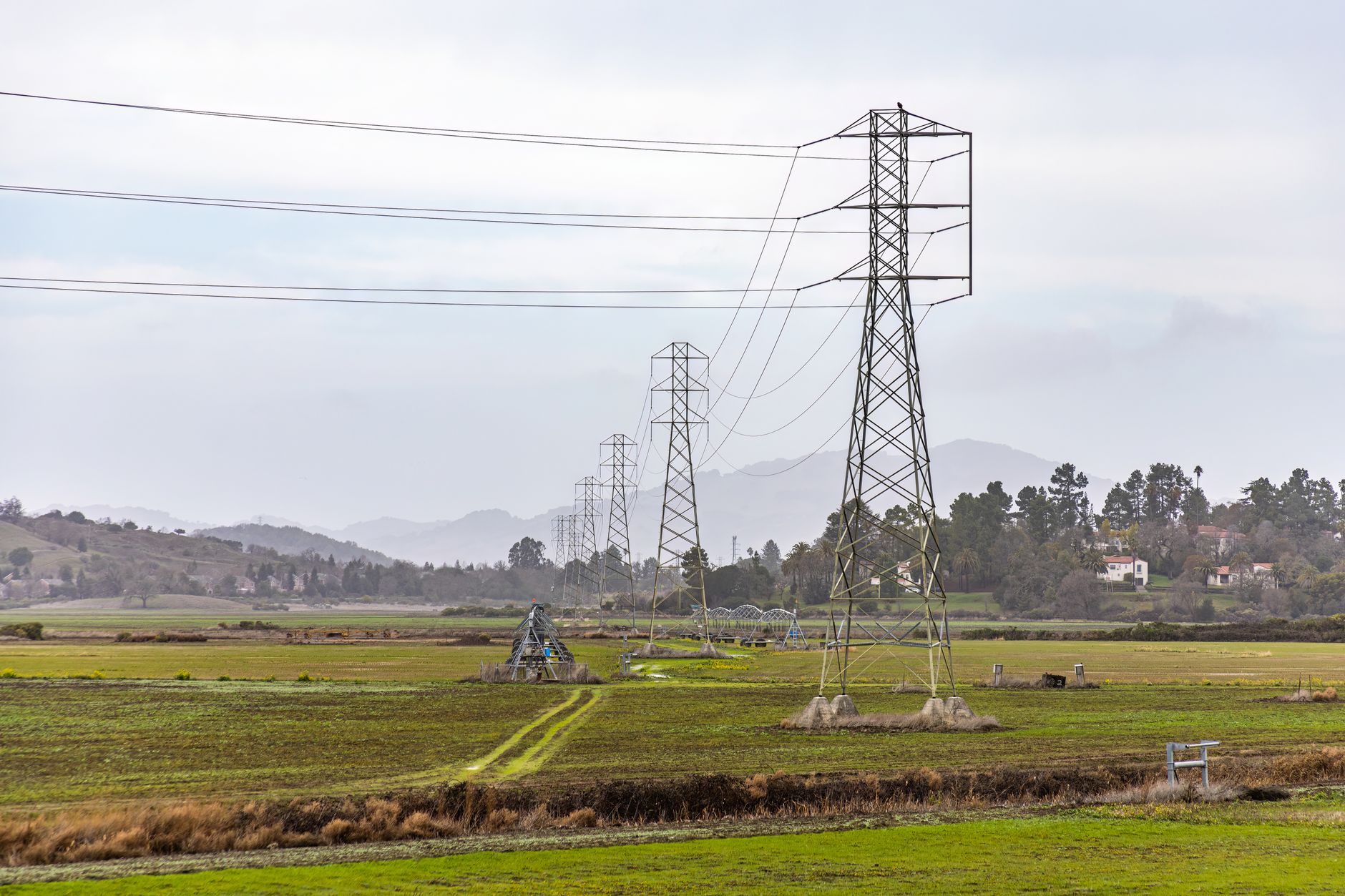
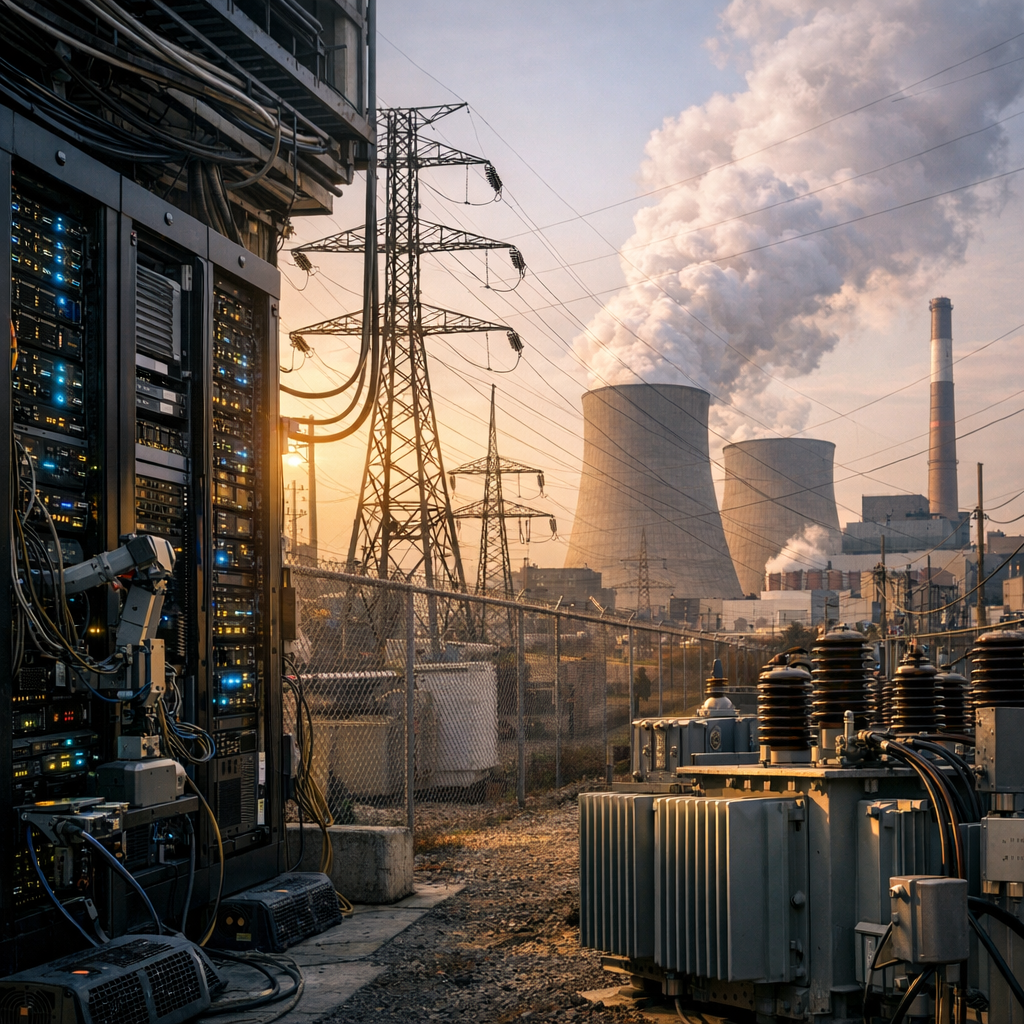
As companies race to build ever-larger data centers to support generative AI and high-performance computing workloads, electricity consumption is rising sharply. These facilities require vast, reliable, and continuous power supplies, often exceeding the capacity of existing grids in key technology hubs. According to the Applied Materials executive cited by The Economic Times, addressing this mismatch will require coordinated investment in energy generation, transmission, and distribution systems.
The challenge is intensified by the geographic concentration of data centers in regions already under strain from industrial growth and urbanization. In markets such as India, where digital adoption is accelerating, policymakers and industry leaders are confronting a dual imperative: enabling technological progress while ensuring grid resilience and sustainability. Without significant upgrades, even well-funded AI initiatives could face delays or limitations.
The executive emphasized that improvements in chip efficiency alone will not be sufficient to offset the scale of energy required. While semiconductor innovation continues to reduce power consumption per computation, the sheer volume of data processing associated with modern AI models is driving total energy use higher. This dynamic has prompted calls for broader systemic planning that integrates technology development with energy infrastructure expansion.
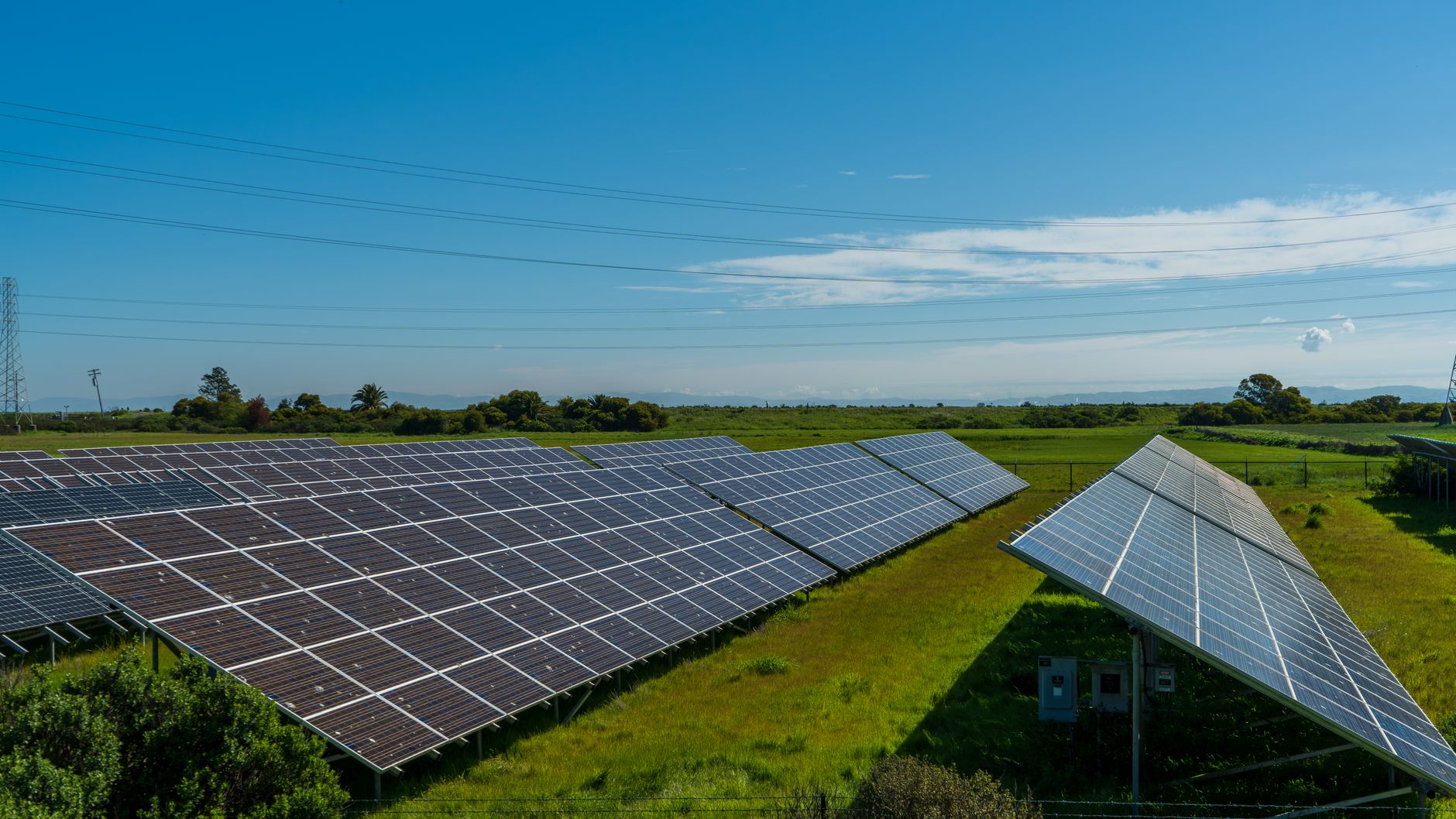
The issue also carries environmental implications. As data center energy demand grows, there is increasing pressure to align expansion with clean energy goals. Upgrading grids to better accommodate renewable power sources, manage peak loads, and reduce transmission losses is seen as a critical step toward balancing economic and environmental priorities.
Industry observers note that the intersection of AI growth and energy capacity is reshaping investment decisions. Companies may increasingly factor in grid robustness and energy availability when selecting locations for new facilities, potentially shifting development patterns. Governments, in turn, may need to accelerate regulatory approvals and incentivize infrastructure projects to remain competitive in attracting technology investment.
The Economic Times report highlights a broader realization within the technology industry: the future of AI is not determined solely by algorithmic advances or semiconductor breakthroughs, but by the physical infrastructure that supports them. As global demand for AI capabilities intensifies, the ability of power systems to sustain that demand may prove to be one of the defining challenges of the coming decade.