The article “Phinergy 3” published by TechTime on July 2, 2026, highlights renewed attention around aluminum-air battery technology and its potential to reshape the electric vehicle and energy storage landscape. According to the report, Israel-based Phinergy is advancing a third-generation system designed to address long-standing limitations that have prevented metal-air batteries from moving beyond niche applications.
Phinergy’s approach centers on aluminum-air cells, which generate electricity through a reaction between aluminum, oxygen, and a water-based electrolyte. Unlike conventional lithium-ion batteries, the system does not rely on heavy, expensive materials and instead uses widely available aluminum, offering the prospect of lower costs and greater energy density. The TechTime article notes that this chemistry can theoretically deliver significantly longer driving ranges than lithium-ion batteries, making it especially attractive for long-distance transportation.
However, the technology has historically faced practical barriers, particularly around reusability and infrastructure. Aluminum-air systems do not function like traditional rechargeable batteries; instead, the aluminum plates are gradually consumed and must be replaced. Phinergy’s latest iteration, as described in “Phinergy 3,” attempts to mitigate this drawback by improving efficiency, reducing material degradation, and integrating hybrid configurations that pair aluminum-air cells with rechargeable lithium systems.
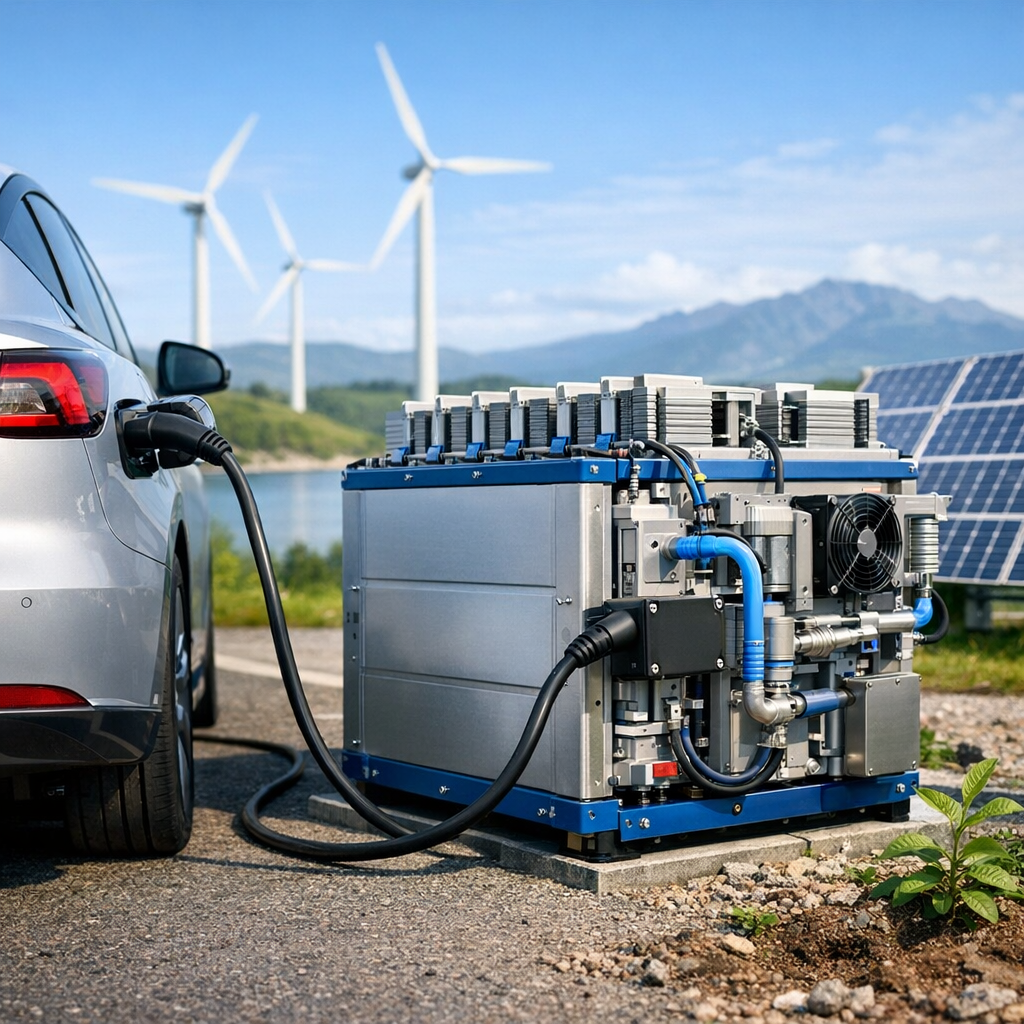
Such hybridization is a key element of the company’s strategy. By combining a conventional rechargeable battery for daily use with an aluminum-air unit for extended range, Phinergy aims to offer a compromise between convenience and performance. The TechTime report suggests this could reduce range anxiety without requiring a complete overhaul of existing charging infrastructure, though it would still demand a network for aluminum replacement and recycling.
The environmental argument is another focal point. Aluminum is highly recyclable, and Phinergy claims its system can fit into a closed-loop lifecycle, where consumed aluminum is reprocessed and reused. If achieved at scale, this could help address concerns tied to lithium mining and battery waste. Still, as the article points out, the real-world sustainability of the process depends heavily on the energy sources used in aluminum production and recycling.
Commercial viability remains uncertain. While Phinergy has demonstrated prototypes and pilot projects in past years, widespread adoption has yet to materialize. The TechTime article indicates that the company’s third-generation technology is intended to bridge the gap between laboratory success and commercial deployment, but it acknowledges the significant logistical and economic hurdles that remain. These include building replacement infrastructure, securing partnerships with automakers, and proving long-term reliability under varied operating conditions.
Industry analysts cited in the report take a cautious view. Metal-air batteries have long been seen as a promising but elusive alternative to lithium-ion technology. Phinergy’s progress suggests incremental improvements rather than a disruptive breakthrough, and much will depend on whether the company can convert technical advancements into a scalable business model.
“Phinergy 3” frames the development as part of a broader push to diversify energy storage solutions as demand for electric mobility accelerates. While lithium-ion batteries continue to dominate, concerns over cost, resource constraints, and performance ceilings are driving interest in alternative chemistries. Phinergy’s latest work represents one of several parallel efforts to expand the technological toolkit available to the industry.
For now, the company’s third-generation system stands as a reminder that battery innovation is far from settled. Whether aluminum-air technology can move from promising concept to practical solution will depend not only on engineering progress, but also on the ecosystems required to support it.