
A routine university laboratory class turned into a public health emergency after 32 students and staff members were exposed to Brucella, a potentially deadly bacterium that can cause severe, long-term illness in humans. All 32 individuals were placed on preventive antibiotics following the incident, according to Ars Technica’s reporting on the event. The case is a stark reminder of how quickly biosafety failures in academic settings can spiral into a mass exposure event requiring urgent medical intervention. For context on how institutions are rethinking safety protocols around emerging risks, see Future Wire’s earlier coverage of IT certification programs and the systemic gaps in hands-on technical education.
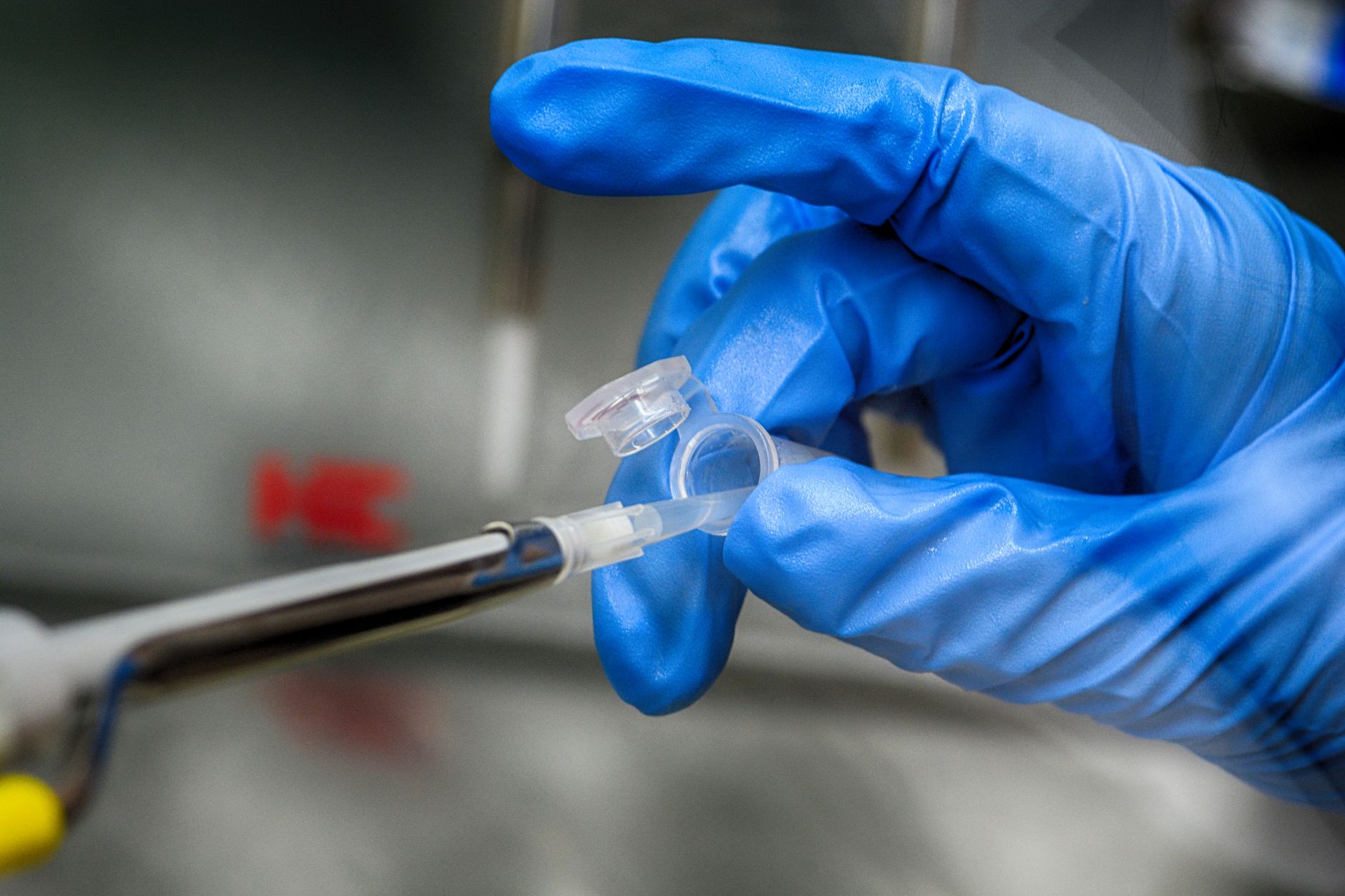
Brucella is no ordinary classroom pathogen. The bacterium, which typically spreads to humans from infected livestock or contaminated animal products, is classified as a Tier 1 select agent by the U.S. government — meaning it is considered a potential bioterrorism threat due to its stability and the difficulty of treating infection once it takes hold. Brucellosis, the disease it causes, can produce months or years of debilitating symptoms including fever, fatigue, joint pain, and in serious cases, neurological or cardiac complications. There is no licensed human vaccine.
What Went Wrong Inside the Lab
The exposure occurred during a lab class, though the precise mechanism — whether an accidental spill, improper handling of a sample, or a containment failure — was under investigation at the time of reporting. What is clear is that the scale of the incident, 32 people requiring post-exposure prophylaxis, suggests the breach was not a minor or isolated one. Standard biosafety protocols for working with Brucella require containment at Biosafety Level 3 conditions, which includes negative-pressure rooms, respirators, and stringent decontamination procedures.
The fact that this exposure happened in what appears to be a teaching environment raises serious questions about whether the appropriate containment infrastructure was in place, whether students had received adequate training before handling the organism, and how oversight of such laboratory exercises is conducted at the institutional level. Academic labs have historically operated with thinner safety margins than government or commercial research facilities, and incidents like this one expose the real cost of those gaps.
The Public Health Response and Broader Stakes
Health authorities moved quickly once the exposure was identified. All 32 individuals in the affected class were evaluated and prescribed a course of antibiotics — typically a combination of doxycycline and rifampin administered over six weeks — to prevent Brucella from establishing a full infection. Post-exposure prophylaxis is considered effective when started promptly, but the treatment window is narrow and the drug regimen is demanding. The incident was reported to public health officials, triggering a formal investigation into the lab’s safety practices.
Incidents like this one are rare but not unprecedented. The CDC maintains records of laboratory-acquired infections, and Brucella consistently appears among the most common pathogens involved in such cases precisely because it is widely used in research and teaching yet highly infectious at low doses. A single inhaled dose of fewer than 10 to 100 organisms can be enough to cause disease. The episode echoes a broader pattern of institutional risk that stretches well beyond biology labs — from cybersecurity failures at research universities to the kind of systemic unprecedented events that catch institutions unprepared. Whether this incident accelerates a push for stricter federal oversight of academic biosafety programs remains to be seen, but the pressure for reform is real and growing.