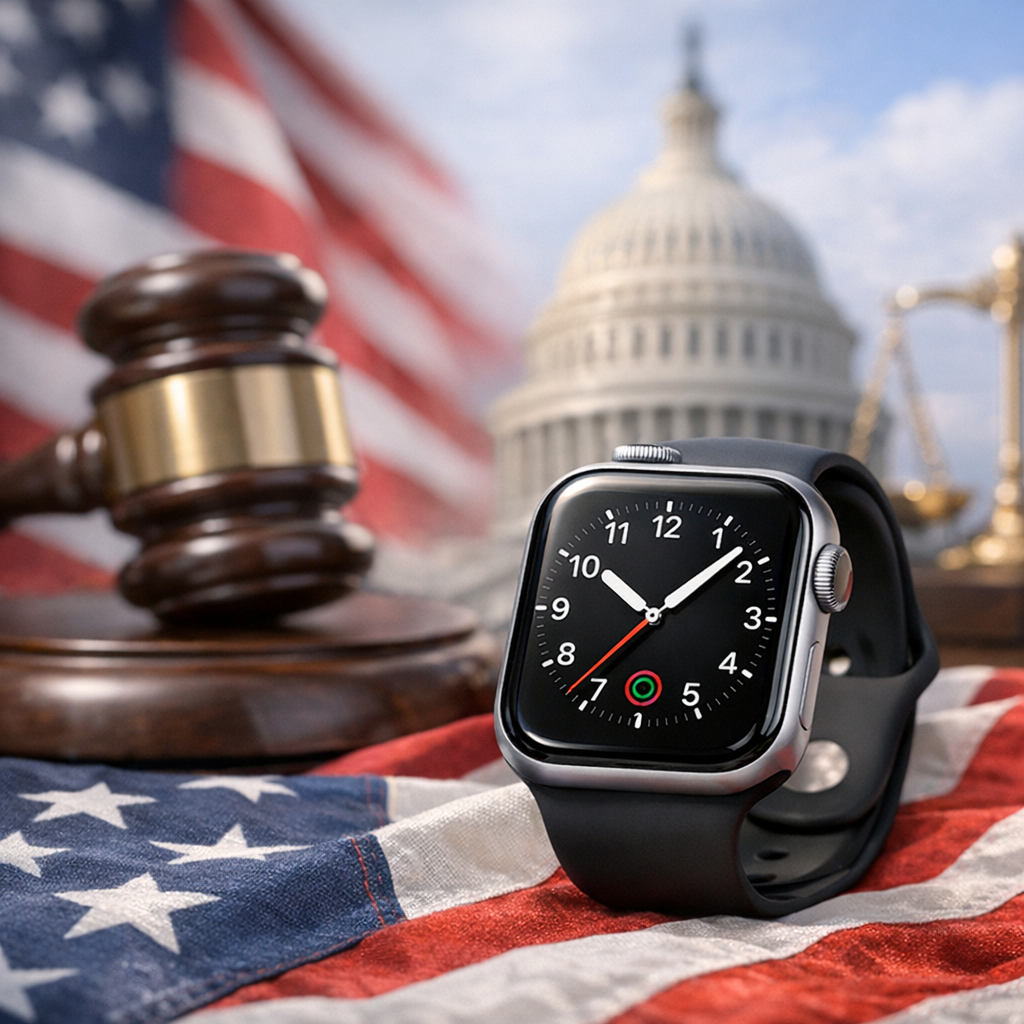
Apple has secured a key legal victory in an ongoing intellectual property dispute, after a U.S. trade tribunal rejected an effort to block imports of certain Apple Watch models. The decision marks a significant development in a case closely watched by the technology industry and medical device firms alike.
According to “Apple defeats bid for new Apple Watch import ban at US trade tribunal,” published by The Economic Times, the U.S. International Trade Commission (ITC) declined to impose a new import ban tied to allegations that Apple infringed patents related to health-monitoring technology. The complaint had been brought by medical technology company Masimo, which has been embroiled in a broader legal conflict with Apple over pulse oximetry features in its smartwatch lineup.
The ruling represents a reprieve for Apple as it continues to navigate multiple regulatory and legal challenges affecting its wearables business. Although Apple has faced earlier setbacks, including a previous ITC decision that temporarily threatened sales of certain devices, this latest outcome underscores the complexity and fragmented nature of patent disputes in the health tech space.
At the core of the disagreement are sensor technologies used to measure blood oxygen levels, a feature that has become a central selling point for advanced wearable devices. Masimo has argued that Apple improperly incorporated its proprietary technology, while Apple has contested those claims and sought to maintain uninterrupted access to the U.S. market.
The ITC’s decision not to proceed with a fresh import ban suggests that the commission did not find sufficient grounds, at least in this instance, to restrict Apple’s products. However, the broader legal battle between the two companies remains unresolved and could continue through appeals, parallel litigation, or additional regulatory proceedings.
For Apple, the stakes extend beyond immediate sales. The Apple Watch has evolved into a critical component of the company’s ecosystem and a cornerstone of its health strategy. Any prolonged disruption to its availability could have ripple effects across its services and device segments.
The case also highlights intensifying competition at the intersection of consumer electronics and medical technology, where established healthcare firms are increasingly asserting intellectual property rights against major tech companies expanding into health monitoring and diagnostics.
While this ruling offers temporary clarity, industry observers expect further legal maneuvering as both sides seek to defend their positions in a dispute likely to shape the future boundaries of wearable health innovation.