For years, truly accurate HDR on a desktop monitor meant either compromising on color science or absorbing a sticker price that felt punishing. Asus is trying to break that equation with the ProArt 27 QD-OLED, model PA279CDV, a 27-inch panel that pairs quantum-dot OLED technology with a feature set aimed squarely at content creators — and does it at a price point the category hasn’t seen before. As Wired’s review makes clear, the result is genuinely impressive, with a few caveats worth knowing. If you’ve been watching the display market the way Future Wire tracks imaging technology trends, this monitor signals something broader: professional-grade visual fidelity is migrating down the price ladder faster than most expected.
The PA279CDV runs a 2560×1440 resolution at up to 240Hz, covers 99 percent of the DCI-P3 color gamut, and hits a peak brightness of 1000 nits in HDR mode. Factory calibration comes standard, and Asus ships each unit with a calibration report. That last detail matters: for photographers, video editors, and motion graphics artists, out-of-box accuracy removes a friction point that has historically required expensive third-party colorimeters and software to address.
What QD-OLED Actually Delivers at This Size
QD-OLED’s core advantage over traditional OLED is that quantum dots sit in front of the blue OLED substrate, converting some of that light into red and green with exceptional purity. The practical result on the PA279CDV, according to Wired, is shadow detail and black levels that LCD panels simply cannot replicate, combined with color saturation that holds up in HDR content without the blown-out highlight issues that plagued early consumer OLED displays. At 27 inches and 1440p, pixel density lands at roughly 109 pixels per inch — sharp enough for most creative workflows without pushing GPU demands to the extremes that 4K at the same size would require.
Wired’s testing found the monitor excelled with HDR video and photo editing, noting that the self-emissive pixel structure eliminates the backlight bleed and clouding that have long been the Achilles heel of edge-lit LCD displays. The 240Hz refresh rate also makes this a credible option for creators who double as PC gamers — a crossover demographic Asus clearly had in mind. Response times are competitive, and the variable refresh rate support spans both AMD FreeSync Premium and Nvidia G-Sync Compatible certification.

The Trade-Offs You Should Know Before Buying
No panel technology is without compromise, and Wired was direct about the PA279CDV’s limitations. Peak sustained brightness in standard dynamic range content is lower than what a high-end Mini LED display can sustain over large areas, which matters in very bright office environments. QD-OLED panels also carry a nonzero burn-in risk with static elements — a real consideration for anyone who runs the same UI chrome on screen for eight-plus hours daily. Asus includes pixel-refresh utilities to mitigate this, but it remains a management responsibility the user carries.
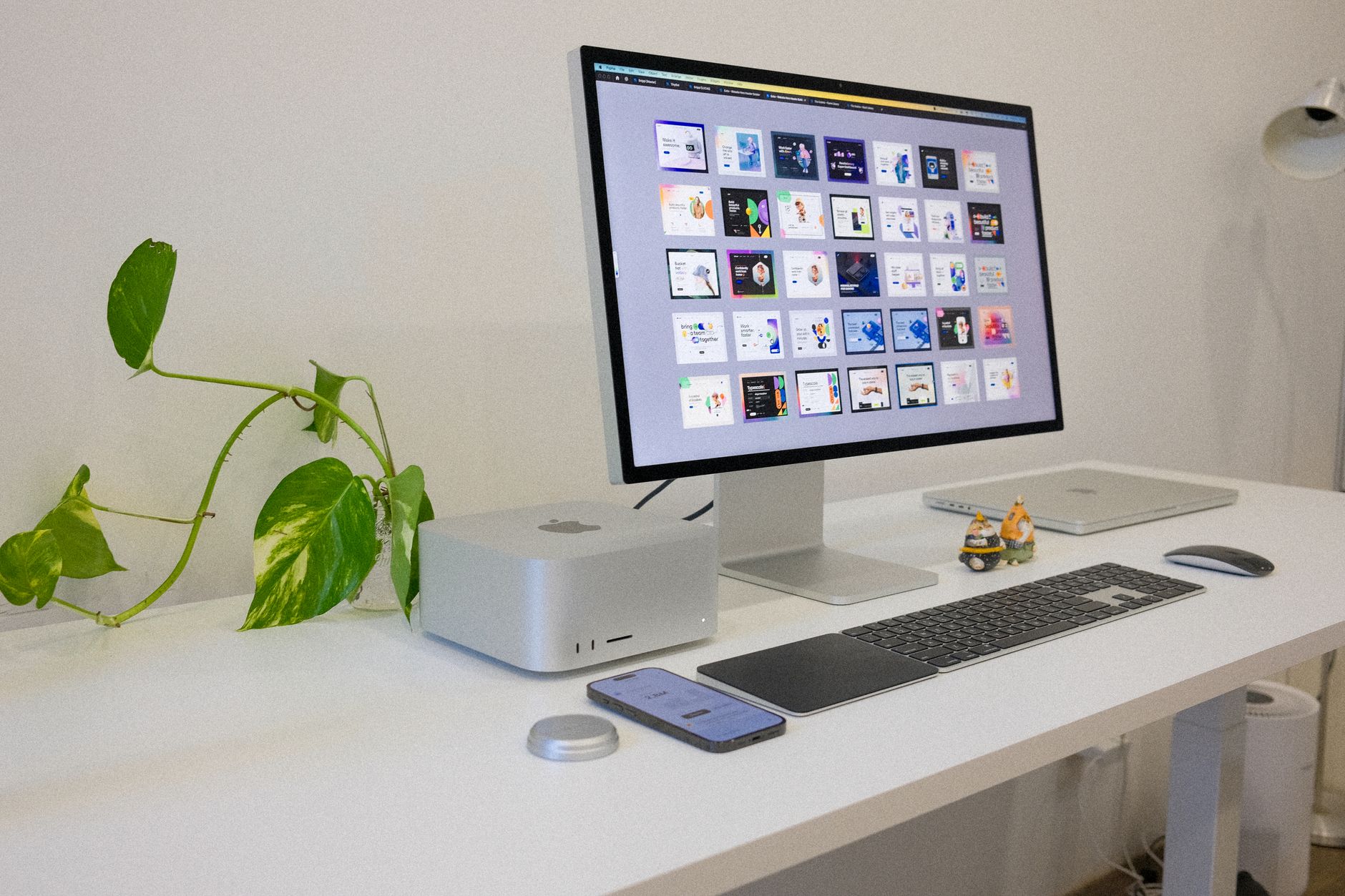
Connectivity is a strength: the monitor offers USB-C with 96W power delivery, meaning a single cable can drive display output and charge a laptop simultaneously. That’s a meaningful workflow convenience that competing panels in this price range don’t always match. The built-in KVM switch and USB hub round out a connectivity package that positions the PA279CDV as a one-cable workstation hub, not just a screen. For creators wrestling with cable clutter, that alone may close the sale. The broader point is that Asus has assembled a monitor that makes a credible case across color accuracy, refresh performance, and desk ergonomics simultaneously — and the growing complexity of creative production pipelines makes displays that reduce workflow friction more valuable, not less.