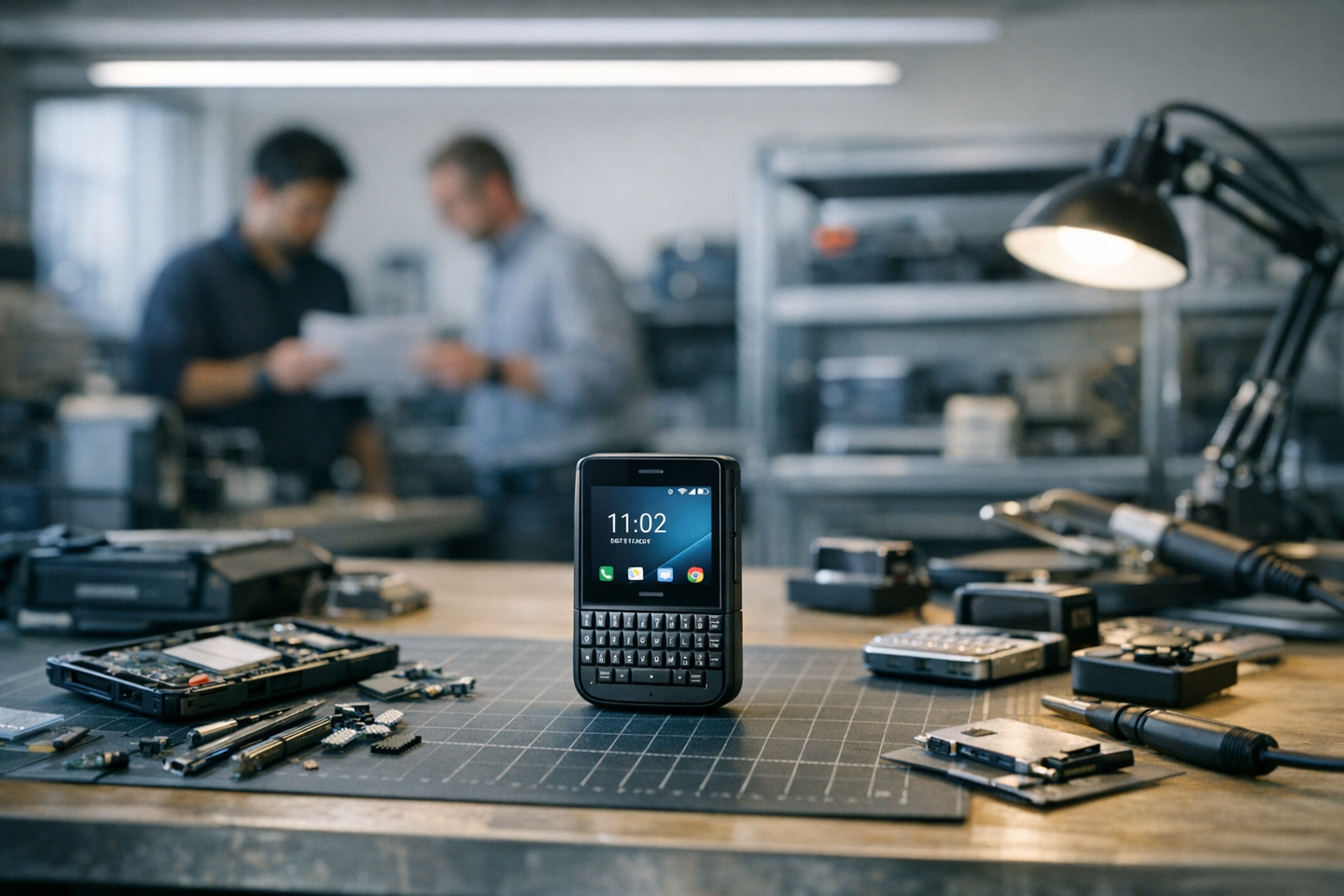
Forget app timers and grayscale modes. The most effective screen-time intervention one writer found this year came in the form of a palm-sized phone with a tiny QWERTY keyboard and almost nothing to do on it — and the results were more surprising than any productivity app has managed in years.
CNET’s BlackBerry-inspired review details hands-on time with the Unihertz Titan Slim, a compact Android device that wears its late-2000s nostalgia loudly. The phone runs a full version of Android and technically can do most things a flagship device can, but its physical keyboard, tiny display, and deliberately cramped interface make doom-scrolling feel genuinely unpleasant — which turns out to be the point.
A Phone That Makes the Internet Annoying on Purpose
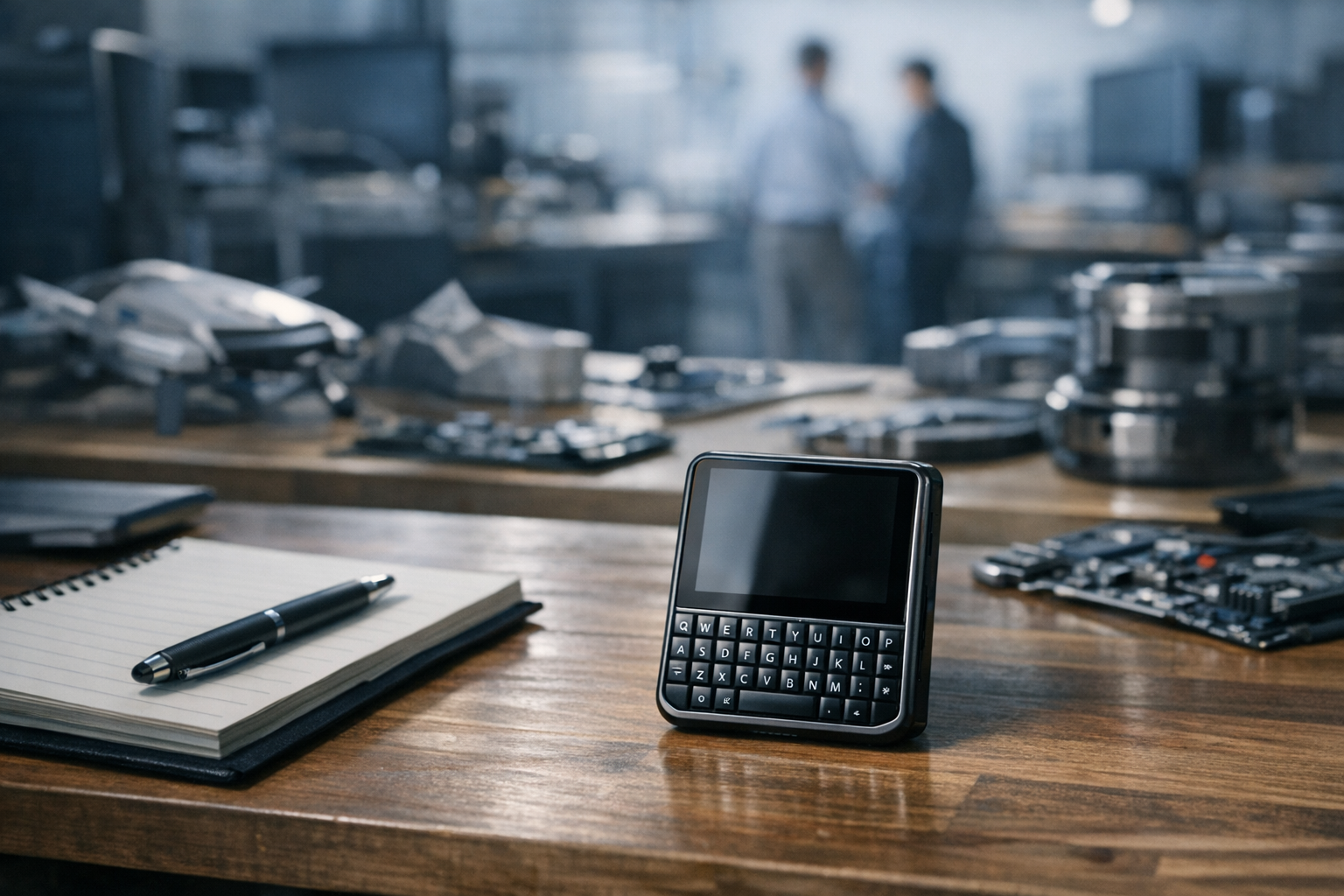
The Titan Slim sports a 3.1-inch display — roughly a third the screen real estate of a modern flagship — paired with a tactile physical keyboard that makes typing on social media feeds slow and deliberate enough to kill the impulse entirely. It is not a dumb phone. It supports 4G LTE, has a 3,000mAh battery, and runs Android 11, meaning email, maps, and messaging apps all work fine. What it does not support well is the frictionless, infinite-scroll experience that makes smartphones so consuming.
That friction is the feature, not a flaw. The CNET piece describes how the awkwardness of navigating Instagram or Twitter on the small screen simply makes those apps feel not worth opening. The phone becomes, by default, a calls-and-messages device — not because it is locked down, but because using it for anything else is mildly miserable. It is behavioral design enforced by hardware constraints rather than software nannying.
Unihertz, the Shanghai-based company behind the device, has carved a niche making unconventional Android handsets — rugged bricks, tiny cubes, and keyboard-equipped slabs — that appeal to users who want Android’s flexibility without a glass rectangle optimized for maximum engagement. The Titan Slim sits at an accessible price point well under $300, making it a viable second phone for anyone serious about reclaiming attention.
Why Hardware Distraction-Busting Beats App-Based Fixes
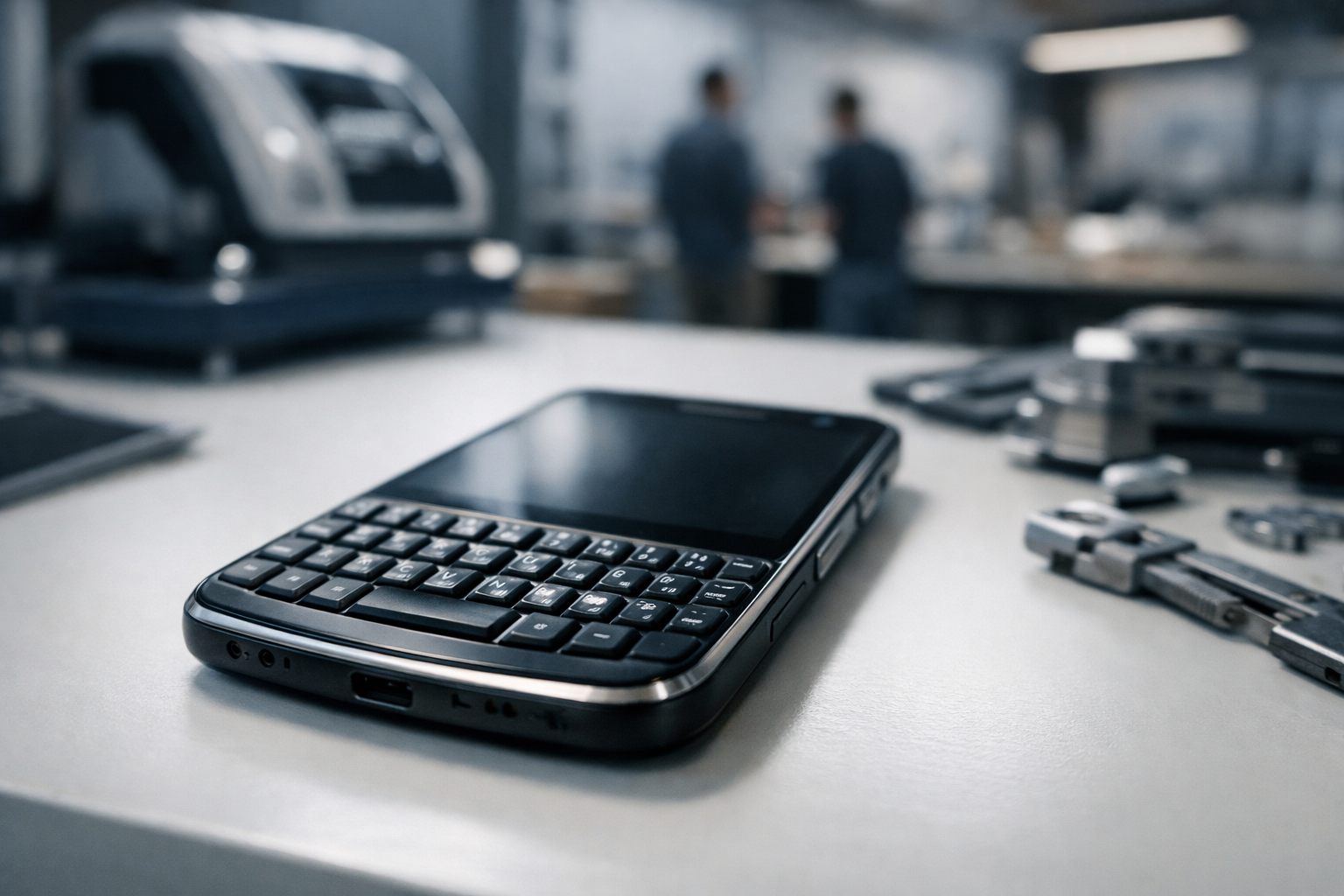
Screen-time apps, focus modes, and grayscale tricks have been mainstream for years, and the research on their effectiveness is lukewarm at best. The problem is that every one of those solutions runs on the same device that serves up the distraction — a wolf guarding a henhouse. A physically separate, deliberately limited device sidesteps that entirely. You cannot easily override a hardware constraint the way you can dismiss a screen-time notification at 10 p.m.
That logic is resonating beyond niche keyboard enthusiasts. Light Phone, Mudita, and Punkt have all built businesses around the idea that the best digital wellness tool is one that removes capability rather than adding a layer of self-control software on top of an already-addictive device. The Titan Slim fits that ethos while keeping Android’s utility intact for the things a phone genuinely needs to do well.
The broader trend here connects to how users are pushing back against the attention economy in ways that go beyond settings menus and app limits. As platforms grow more sophisticated at capturing time — a dynamic that intersects uncomfortably with questions about AI influence operations shaping what people see and believe — the appeal of a device that is simply bad at feeding the machine is easy to understand.
Whether a $250 keyboard phone from a niche Chinese OEM becomes a mainstream answer to smartphone addiction is doubtful. But it does not need to be. For the growing slice of users who want a second device that forces focus without requiring willpower, the Titan Slim makes a weirdly compelling case that sometimes the best tech innovation is strategic subtraction.