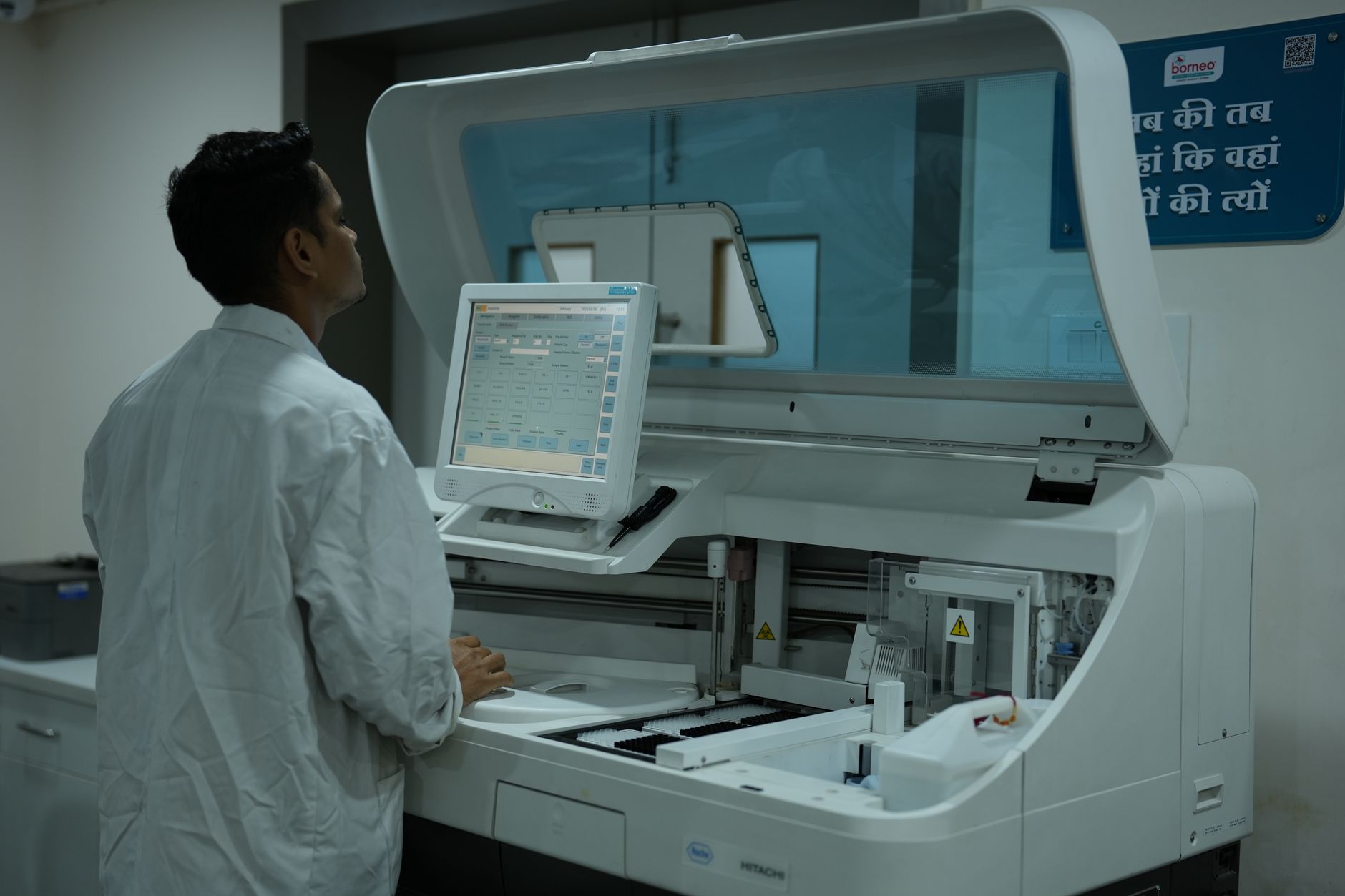
Camtek, an Israeli maker of inspection and metrology systems for the semiconductor industry, has agreed to acquire Visual Layer, an Israeli artificial intelligence startup focused on automated defect detection in manufacturing, in a deal that underscores the accelerating convergence between hardware inspection tools and software-driven analytics across chip production lines.
The acquisition was first reported by Globes in an article titled “Camtek acquires Israeli AI startup Visual Layer.” According to the Globes report, the transaction is designed to expand Camtek’s capabilities beyond traditional inspection hardware and into AI-based analysis that helps manufacturers detect, classify, and act on defects more quickly and with greater accuracy.
Camtek operates in a sector where incremental gains in yield can translate into large cost savings, particularly as chipmakers push to smaller process nodes and more complex packaging techniques. In that environment, inspection is no longer simply about spotting anomalies; it increasingly requires rapid interpretation of vast amounts of image data and the ability to distinguish between true defects and process noise. By bringing Visual Layer’s technology in-house, Camtek appears to be positioning itself to offer a more integrated system that combines image capture, metrology, and intelligent decision support.
Visual Layer has developed AI tools that automate visual inspection processes, aimed at improving quality control across manufacturing environments. While the company’s technology is applicable beyond semiconductors, its core strength in using machine learning to interpret production-line imagery aligns with the data-intensive demands of wafer fabrication and advanced packaging. For Camtek, whose customers are under pressure to increase throughput while reducing scrap and rework, integrating such capabilities could strengthen its value proposition as fabs seek end-to-end solutions rather than piecemeal toolchains.
The move also reflects a broader industry pattern: hardware vendors are increasingly acquiring or developing software platforms to deepen customer relationships and generate recurring revenue streams tied to analytics, updates, and services. As chipmakers invest heavily in automation and factory optimization, suppliers that can deliver actionable insights—not just measurements—are gaining an edge.
For Israel’s technology ecosystem, the deal highlights the continuing role of local startups in supplying specialized AI capabilities to established industrial players. It also points to a maturing market in which acquisitions are used not only for talent but for IP that can be productized quickly within global sales channels.
The next test will be execution. Integrating AI into inspection workflows requires careful validation, especially in semiconductor environments where false positives and false negatives carry high costs. Customers will expect measurable improvements in yield learning, cycle time, and tool performance, as well as assurances around data governance and support. If Camtek can successfully embed Visual Layer’s AI into its systems and demonstrate clear production benefits, the acquisition may strengthen its standing in a competitive inspection market increasingly defined by the ability to turn images into decisions at scale.