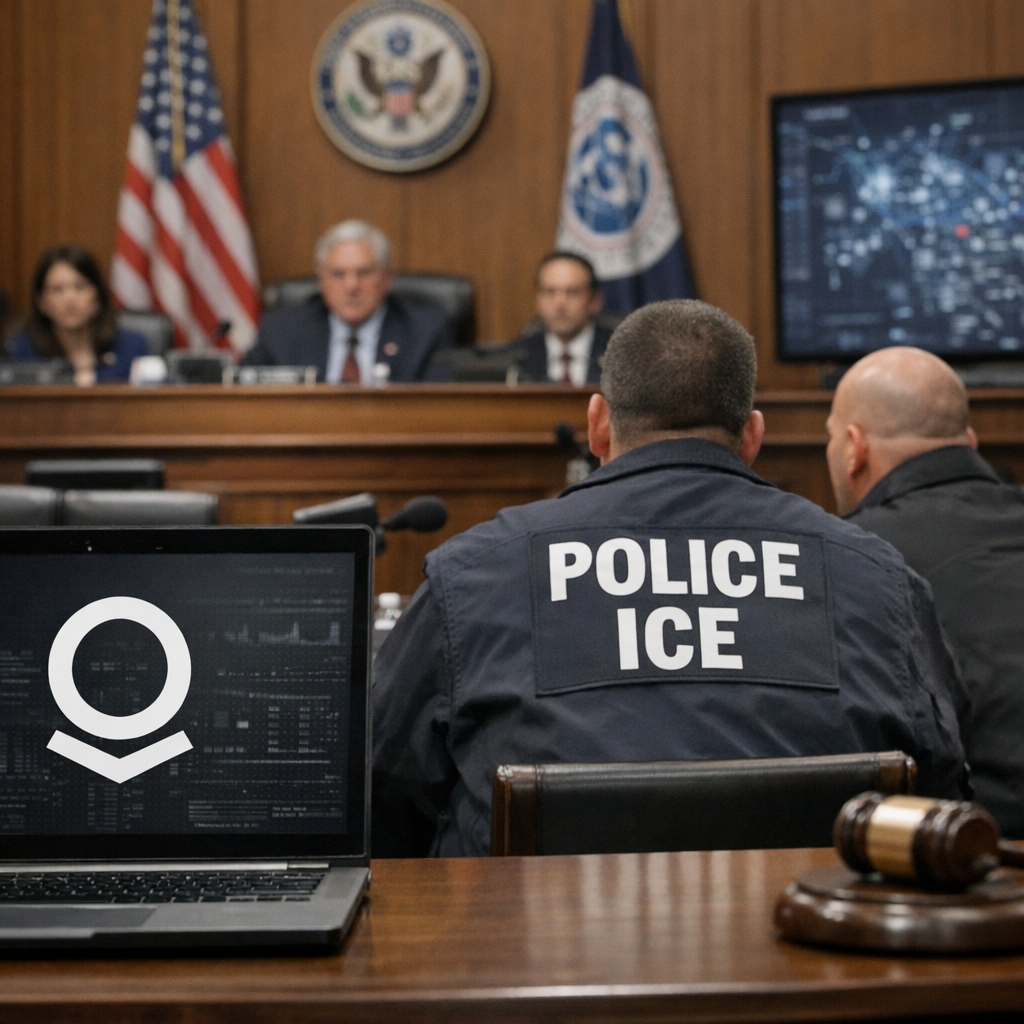
A growing number of lawmakers are intensifying scrutiny of the Department of Homeland Security’s relationship with data analytics firm Palantir, raising concerns about the company’s role in expanding immigration enforcement capabilities. The debate, detailed in the Wired article “Congress Turns Up Pressure on DHS Over Palantir’s Role in Immigration Crackdown,” reflects broader unease in Washington over the use of advanced surveillance tools in federal immigration operations.
Members of Congress have pressed DHS officials for greater transparency about how Palantir’s technology is being deployed by Immigration and Customs Enforcement. At issue is whether the company’s data integration platforms are enabling large-scale tracking and targeting of undocumented individuals, potentially without sufficient oversight or safeguards. Lawmakers have questioned the scope of data being collected, how it is shared across agencies, and what protections exist to prevent misuse.
Civil liberties advocates have echoed these concerns, arguing that Palantir’s systems allow authorities to aggregate vast amounts of personal information, creating detailed profiles that can be used in enforcement actions. Critics contend that such capabilities risk undermining privacy rights and due process, particularly when individuals may be identified through indirect associations or incomplete data. They have called for stricter limits on government contracts involving sensitive personal information and more rigorous auditing mechanisms.
DHS officials, for their part, have defended the use of advanced analytics as a necessary tool for enforcing immigration law and maintaining national security. The department has maintained that its partnerships comply with existing legal frameworks and emphasized the importance of technology in managing complex enforcement operations efficiently. However, the increasing pressure from Congress suggests that the political and legal boundaries governing these tools may soon face renewed examination, with potential implications for how federal agencies balance enforcement priorities against civil liberties.