Forget the changing room. OpenAI is turning ChatGPT into a personal stylist with a new virtual try-on feature that lets users see how clothes would look on them before buying — no app download, no retailer-specific tool required. The feature, TechCrunch report confirms, is rolling out directly inside ChatGPT and represents one of the most commercially pointed AI consumer features OpenAI has shipped to date. For a company that has raised at eye-watering valuations — including an OpenAI fundraising round that would value it at $1.4 trillion — this is the kind of product that starts connecting those numbers to real revenue.
The mechanics are straightforward but genuinely impressive. Users upload a photo of themselves, then either share a link to a garment or describe what they want to try. ChatGPT generates a realistic image of the user wearing the item, overlaying the clothing onto their body with attention to fit, drape, and proportion. It is built on top of OpenAI’s image generation capabilities and does not require a partnership with any specific retailer, meaning it can theoretically work with any product visible online.
Why Fashion Is the Perfect Proving Ground
Online fashion retail is a massive, persistent pain point for both shoppers and merchants. Return rates for apparel purchased online regularly run between 25 and 40 percent, with fit and appearance being the leading reasons cited by customers. That friction costs retailers billions annually in logistics, restocking, and lost margin. A tool that meaningfully reduces uncertainty at the point of purchase does not just improve user experience — it attacks a structural inefficiency that the entire industry has tried and largely failed to solve for over a decade.
Previous virtual try-on attempts have mostly lived inside proprietary retail apps, limited to specific brand catalogs and often producing uncanny, unconvincing results. By embedding the capability natively in ChatGPT — which already counts hundreds of millions of users globally — OpenAI sidesteps the adoption problem that killed many of those earlier tools. Users are already in the interface. The try-on is just another thing they can ask for.
The Competitive Stakes Are Getting Serious
OpenAI is not the only company chasing this space. Google has demoed similar shopping-oriented AI vision features through its Lens and Search products, and startups have been pitching virtual fitting room technology to retailers for years. But none of those efforts have the conversational depth of ChatGPT, which means users can do more than generate a single image — they can ask follow-up questions, request alternative colorways, compare two items side by side, or ask for styling suggestions based on what they already own. That contextual layer is the real differentiator.
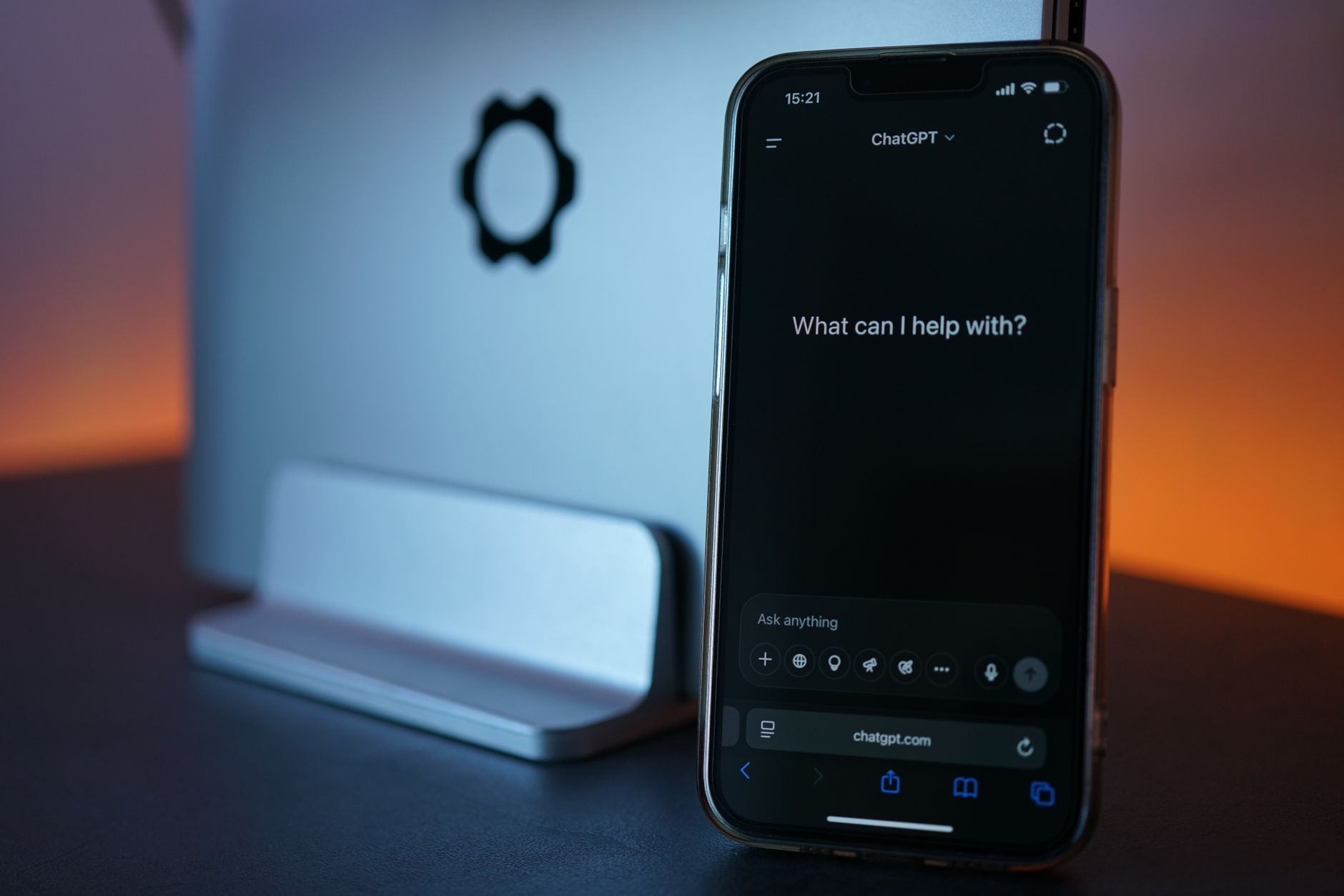
The launch also signals a broader strategic direction for OpenAI: making ChatGPT a destination for high-intent consumer decisions, not just a search replacement or coding assistant. Fashion is a logical beachhead given its visual nature and the frequency with which people shop, but the same image-overlay logic could extend to furniture placement, eyewear, or even home renovation previews. OpenAI has not confirmed those roadmap items, but the architecture for it now exists inside a product already on hundreds of millions of phones. Meanwhile, competitors are watching closely — as Gemini 4 Argon demonstrated earlier this year, the race to make AI models genuinely useful for everyday visual tasks is accelerating fast, and virtual commerce may be where that race gets decided.