AMD just made the most credentialed hire in semiconductor history. The chipmaker is acquiring World Labs, the spatial intelligence startup co-founded by Stanford professor and ImageNet creator Fei-Fei Li, in a deal valued at approximately $8 billion, according to a Business Insider report. Li, whose ImageNet dataset is widely credited with igniting the deep learning revolution that produced every major AI system running today, will join AMD as part of the transaction. This is not a routine acqui-hire. It is AMD staking a claim that the next phase of the chip race will be won on AI software and research credibility, not just transistor counts — and that the chip investment surge reshaping the industry needs a face as much as it needs silicon.
World Labs, founded in 2024, focused on building large world models — AI systems capable of understanding and generating three-dimensional spatial environments rather than just text or flat images. The company raised more than $230 million and attracted serious venture attention before AMD came calling. Li’s involvement alone gave the startup a credibility floor that most seed-stage companies spend years trying to build.
Why AMD Paid a Research Premium
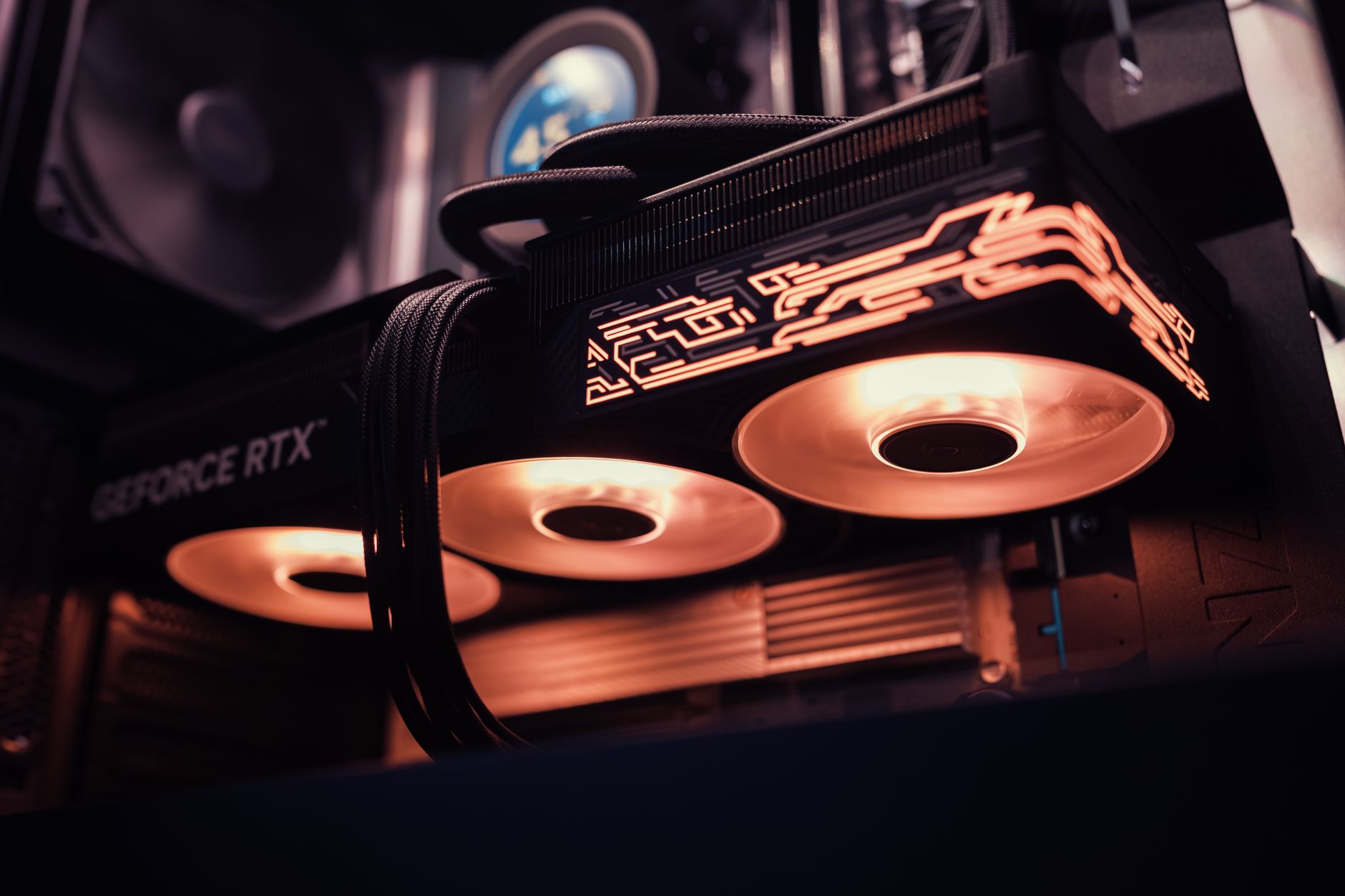
The $8 billion figure is striking for a startup that had not shipped a commercial product at scale. But AMD is not buying revenue — it is buying positioning. Nvidia has dominated the AI accelerator market so completely that AMD’s MI300X chips, despite competitive specs, have struggled to meaningfully close the gap in developer adoption. What AMD lacks is not raw hardware capability; it is the software ecosystem, the developer trust, and the research pipeline that keeps the world’s most ambitious AI labs defaulting to CUDA and H100s.
Bringing Li into the organization changes the conversation AMD can have with those labs. She is not simply a famous name — she is the person whose work on visual recognition benchmarks set the methodological standard for how the field measures progress. Her presence signals that AMD intends to compete at the research layer, not just sell chips to whoever Nvidia’s waitlist turns away. The deal positions AMD to attract the kind of talent and partnerships that tend to follow researchers of Li’s stature, which ultimately determines where the next generation of frontier models gets trained.
The Broader Stakes for AI’s Hardware Power Struggle
The acquisition lands at a moment when the AI hardware market is fragmenting fast. Custom silicon from Google, Amazon, and Meta is eating into Nvidia’s share from one side, while AMD pushes from another. Microsoft, a major AMD customer, has been expanding its MI300X deployments in Azure, giving AMD at least one credible reference customer at hyperscaler scale. Folding a spatial intelligence research team into that infrastructure story gives AMD a narrative thread that pure hardware specs cannot provide — and the kind of differentiated AI capability that could matter enormously as world models move from research curiosity to deployed product.
The timing also reflects how fiercely the industry is competing for researchers who can work at the intersection of hardware and frontier AI. Debates about where top AI talent lands — and whether researchers who raise public concerns about the technology’s risks find themselves rewarded or sidelined — are intensifying across the field, as AI safety coverage from The Verge has documented in detail. Li has consistently advocated for human-centered AI development, and AMD will now need to demonstrate that a chipmaker can honor that orientation while competing at full commercial intensity. Eight billion dollars says they think they can.