New York City Mayor Zohran Mamdani has a plan to lower grocery bills: cut out the private sector entirely and let the city run its own supermarkets. It is an idea that sounds bold on a campaign poster and considerably harder to execute once you factor in thin retail margins, union labor costs, supply chain logistics, and the long graveyard of government-run commercial ventures. As Fortune detailed the economics behind the proposal, the core tension becomes clear fast — good intentions do not rewrite the laws of supply and demand. For anyone tracking how governments are trying to use institutional power to reshape markets, this is a case study worth watching closely, much like the debates Future Wire has followed around AI market dynamics and who actually captures the value when new systems disrupt old ones.
Mamdani’s proposal centers on the city establishing publicly owned grocery stores in neighborhoods classified as food deserts — areas where residents face limited access to fresh, affordable food. The pitch is straightforward: remove the profit motive, pass the savings to consumers, and solve a real public-health problem in one move. But grocery retail is one of the most brutally competitive, margin-compressed industries in the American economy. Traditional supermarkets operate on net profit margins that routinely hover around one to two percent. That is not a business model with a lot of slack for inefficiency, and government-run operations have rarely been mistaken for lean machines.
The Margin Problem Nobody Wants to Talk About
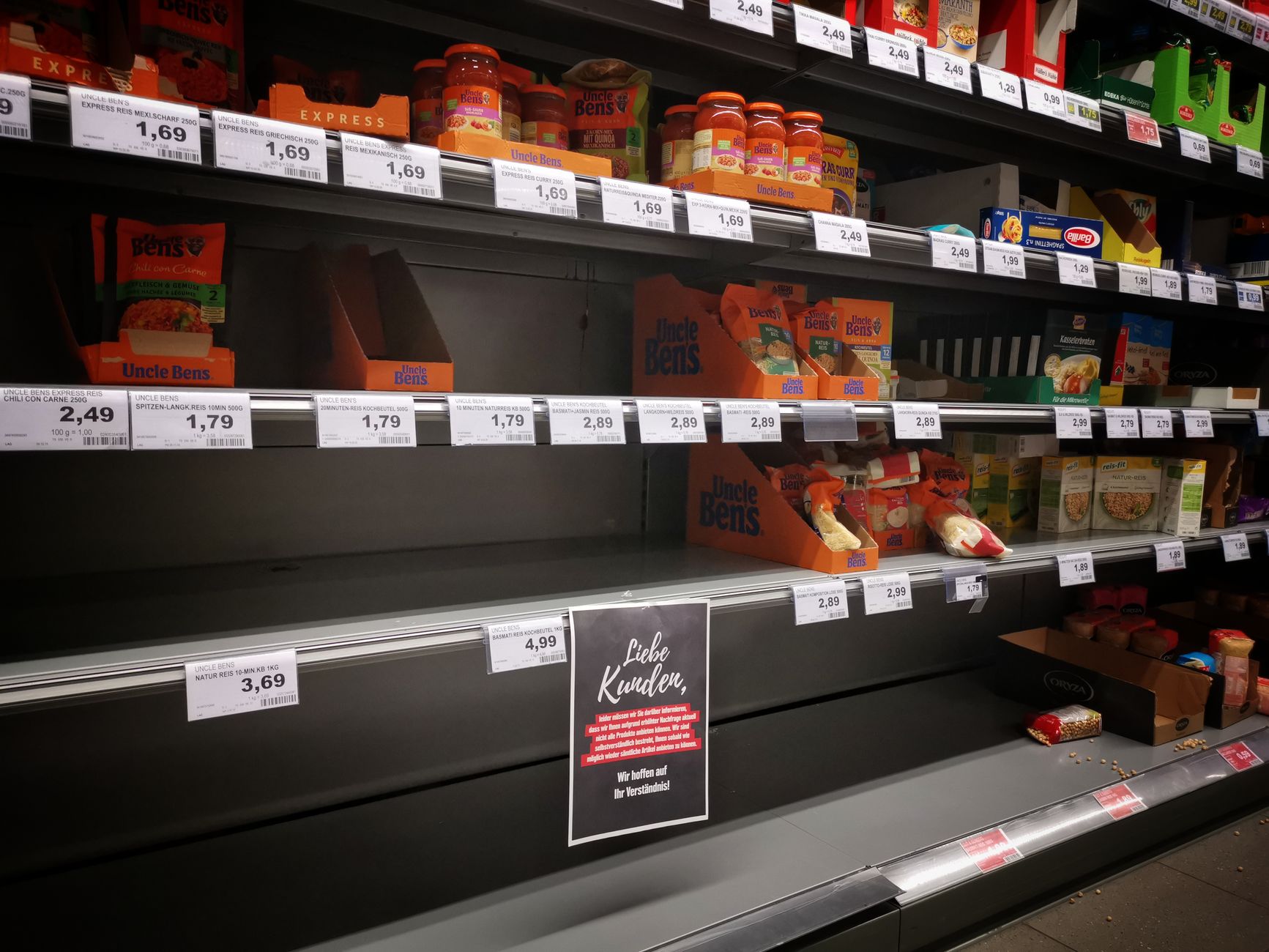
The arithmetic is unforgiving. Grocery chains survive on volume, sophisticated inventory systems, and supply agreements that take years to negotiate. A city starting from scratch does not have those relationships, that infrastructure, or the purchasing leverage that a regional chain built over decades. According to Fortune’s reporting on the proposal, critics of the plan point out that the very conditions making certain neighborhoods food deserts — lower foot traffic, higher real estate costs relative to sales volume, elevated shrinkage rates — are precisely what drove private operators out in the first place. The city would be walking into the same economic headwinds that already defeated the market.
There is also the staffing question. New York City government employees operate under municipal labor agreements that carry wage and benefit structures significantly above the private retail sector average. That cost differential has to land somewhere — either in higher prices that undercut the whole premise of affordability, in ongoing subsidies drawn from the city budget, or in service cuts that degrade the shopping experience until residents stop showing up. None of those outcomes looks like a win.
Why the Idea Won’t Die Despite the Odds
And yet the proposal is not purely quixotic. There is genuine precedent for public entities running retail operations at cost rather than for profit — municipal utilities, public transit, and government-run liquor stores in several states all demonstrate that the model can survive when structured correctly and backstopped by political will. The question is whether a city as large, complex, and expensive as New York can replicate those conditions in a sector where private competitors are watching every move and ready to undercut on price the moment a public store shows weakness.
Mamdani’s political calculation may also be separate from the economic one. Proposing city-owned grocery stores signals a governing philosophy — that markets left alone produce inequality, and that public institutions have a legitimate role correcting that. Whether the stores ever open at scale, the proposal reshapes the conversation about what city governments are for. Investors and operators in food retail, logistics, and urban real estate are already paying attention. If the plan moves forward even in pilot form, it could open procurement opportunities, trigger zoning battles, and force private chains to respond competitively in neighborhoods they had abandoned. That secondary effect might, paradoxically, be the most economically consequential outcome of all — not the city stores themselves, but the market reaction they provoke.