
The seas are getting busier, more automated, and significantly more regulated — and the technology market built around keeping ships safe is about to reflect all three forces at once. According to MarketsandMarkets data, the global maritime safety system market is on track to grow from $5.55 billion in 2026 to $8.12 billion by 2031, compounding at a CAGR of 7.9 percent over that span. That’s not incremental growth — it’s a structural shift in how the shipping industry thinks about risk, automation, and compliance. For anyone watching the broader wave of safety-critical tech investment — similar to what’s playing out in infrared imaging markets tied to defense and industrial sensing — maritime is becoming one of the more consequential arenas.
The report, titled “Maritime Safety System Market worth $8.12 billion by 2031” and published via PR Newswire by MarketsandMarkets, outlines a market being pulled forward by several simultaneous pressures: tighter international regulatory frameworks, an acceleration in autonomous and semi-autonomous vessel development, and increasingly sophisticated threat environments at sea, including both physical collisions and cyberattacks on navigation systems.
What’s Driving the Surge
The largest growth drivers center on integrated safety systems — technologies that combine collision avoidance, fire detection, access control, and cybersecurity into unified shipboard platforms. As vessels grow in size and complexity, siloed safety tools are giving way to networked architectures that can share data across a ship’s full operational stack in real time. Regulatory bodies including the International Maritime Organization have continued tightening requirements around vessel tracking, emergency communication, and crew safety standards, creating mandatory upgrade cycles across commercial fleets worldwide.
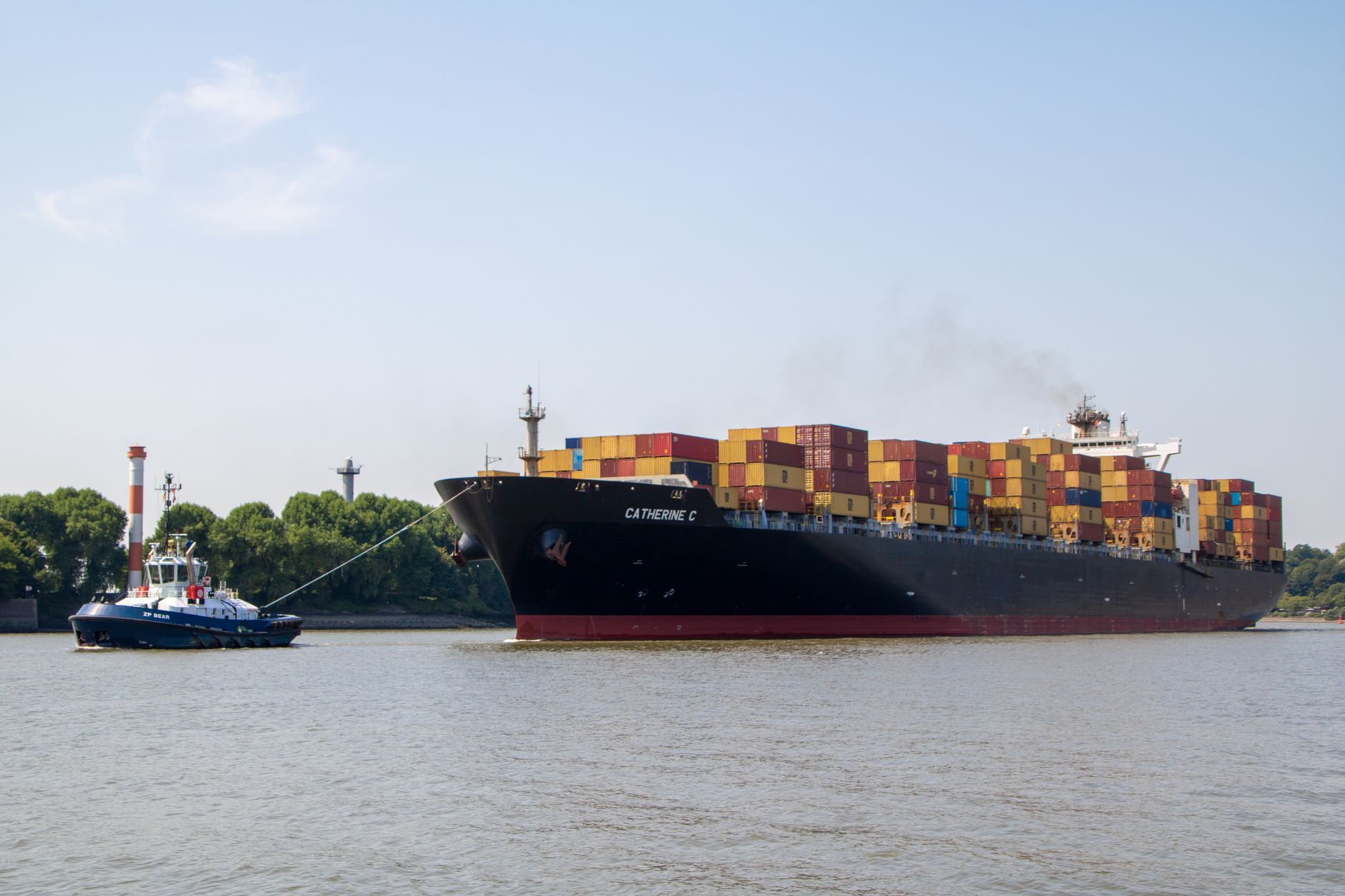
Geographically, Asia-Pacific is identified as a major growth region, driven by the sheer scale of shipbuilding activity in South Korea, China, and Japan, as well as expanding port infrastructure across Southeast Asia. Europe and North America, meanwhile, are driving demand through fleet modernization and increasingly stringent environmental and safety compliance mandates. The combination of new-build vessels requiring modern safety architecture from the keel up, and aging fleets requiring retrofit solutions, creates parallel demand streams that sustain the market’s projected trajectory through the decade.
Technology Layers Reshaping the Market
Beyond traditional navigation aids, the market report highlights growing adoption of AI-powered monitoring systems capable of processing sensor data across a vessel’s systems and flagging anomalies before they escalate into emergencies. Automatic Identification Systems, voyage data recorders, and integrated bridge systems are increasingly being layered with machine learning capabilities to improve situational awareness — particularly relevant as the industry edges toward remote and autonomous vessel operations. The cybersecurity dimension of maritime safety is also expanding rapidly, as digitally connected ships represent an increasingly attractive attack surface.
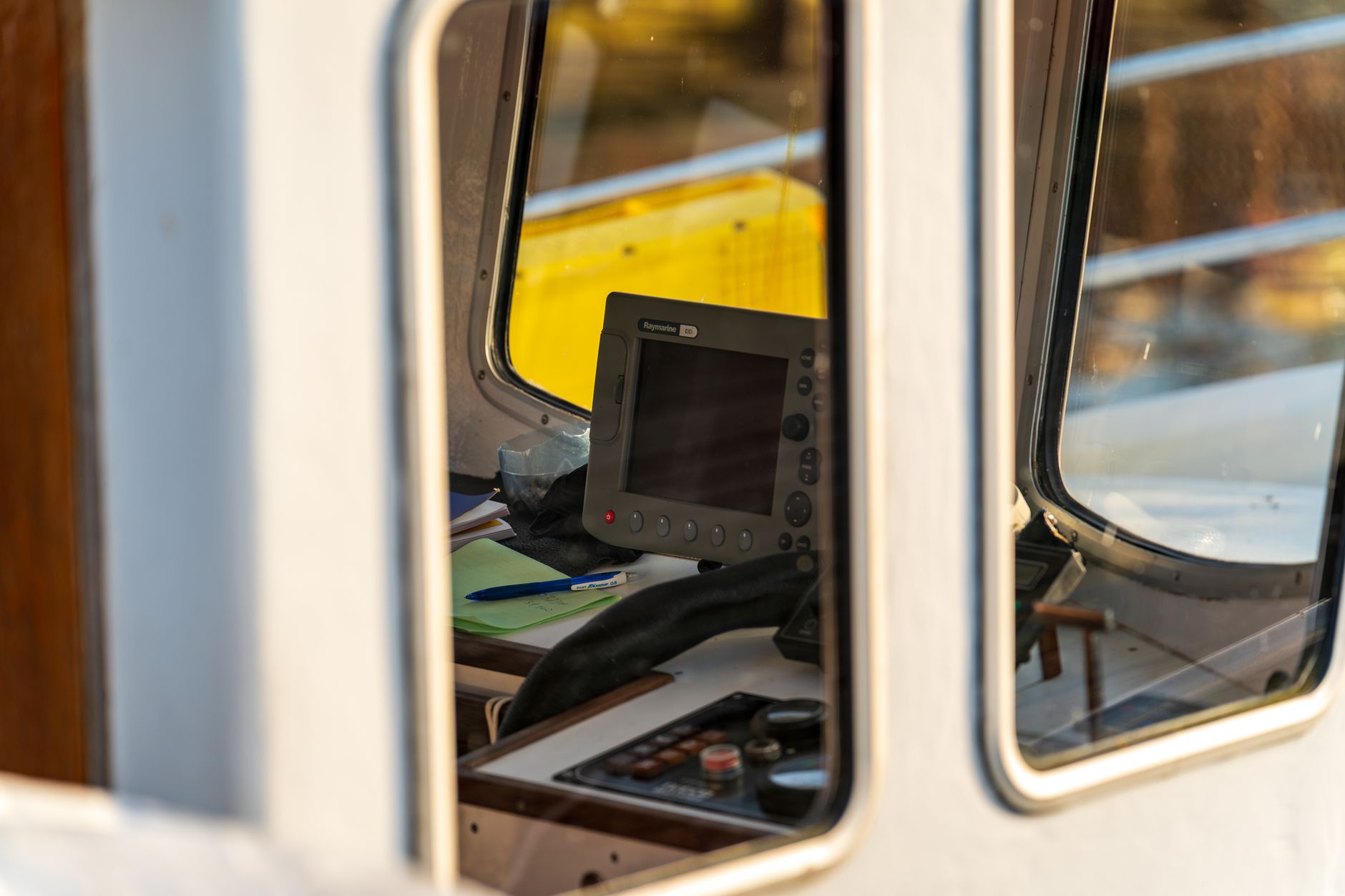
The market is segmented by system type, vessel type, and end-use, with commercial shipping representing the dominant demand base but naval and offshore energy applications contributing meaningfully to overall volume. Solution providers operating across hardware, software, and integrated services layers are all positioned to benefit, though the report suggests that companies capable of delivering end-to-end safety platforms — rather than point solutions — hold the strongest competitive position as fleet operators consolidate vendors. This dynamic mirrors what’s been observed in other safety-critical tech verticals, where integration capability increasingly determines who captures the most durable contract relationships. The autonomous drone sector, for instance, has seen a similar consolidation pressure emerge as military and commercial buyers demand cohesive systems over fragmented toolsets.
With nearly three billion dollars in projected market expansion between now and 2031, the maritime safety sector is no longer a niche corner of industrial technology. It is becoming a front line for AI integration, regulatory compliance engineering, and cybersecurity hardening — all at global scale, on vessels that carry the majority of the world’s traded goods.