NASA is asking twelve-year-olds to solve problems that aerospace engineers have wrestled with for decades. The agency’s Design With Us challenge for the 2026-2027 school year tasks middle school students with rethinking what the interior of a commercial aircraft should look and feel like — a prompt that sits squarely at the intersection of human-centered design, aeronautics, and systems thinking. It is the kind of assignment that sounds deceptively simple until you start pulling on the threads of weight limits, passenger comfort, accessibility, and fuel efficiency all at once. For younger students dipping into autonomous transport and next-generation mobility concepts through media, this challenge makes the design stakes feel personal and immediate.
The Design With Us (DWU) program is part of NASA’s broader Aeronautics STEM initiative, which aims to build the pipeline of future aerospace professionals by engaging students long before they reach a university engineering program. The middle school challenge is explicitly structured around grade-appropriate skills while still demanding real creative and technical rigor. Students are not just sketching seats — they are being asked to consider trade-offs, justify their decisions with reasoning, and think about how their design choices affect a system as a whole.
What Students Are Actually Being Asked to Build
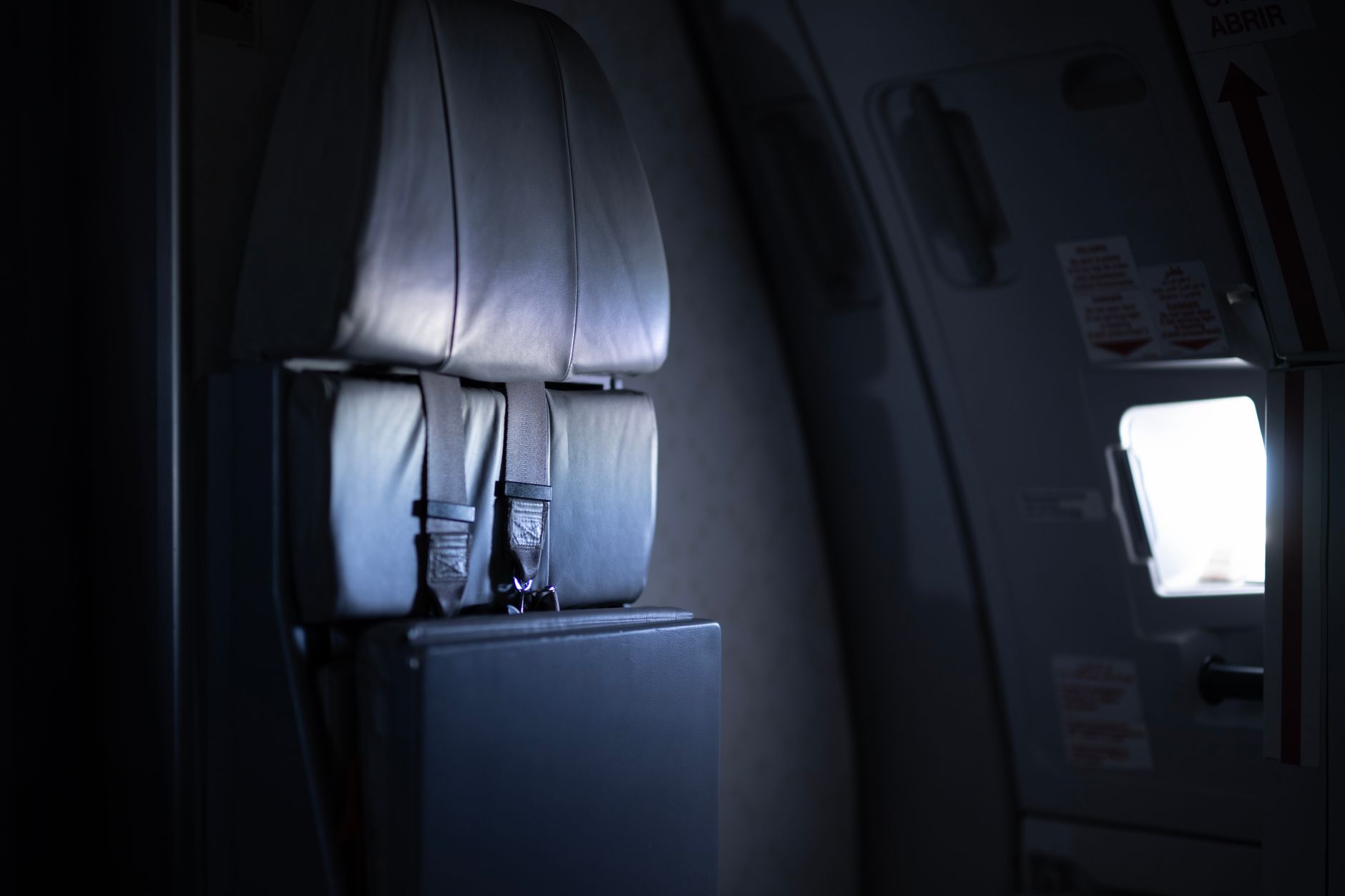
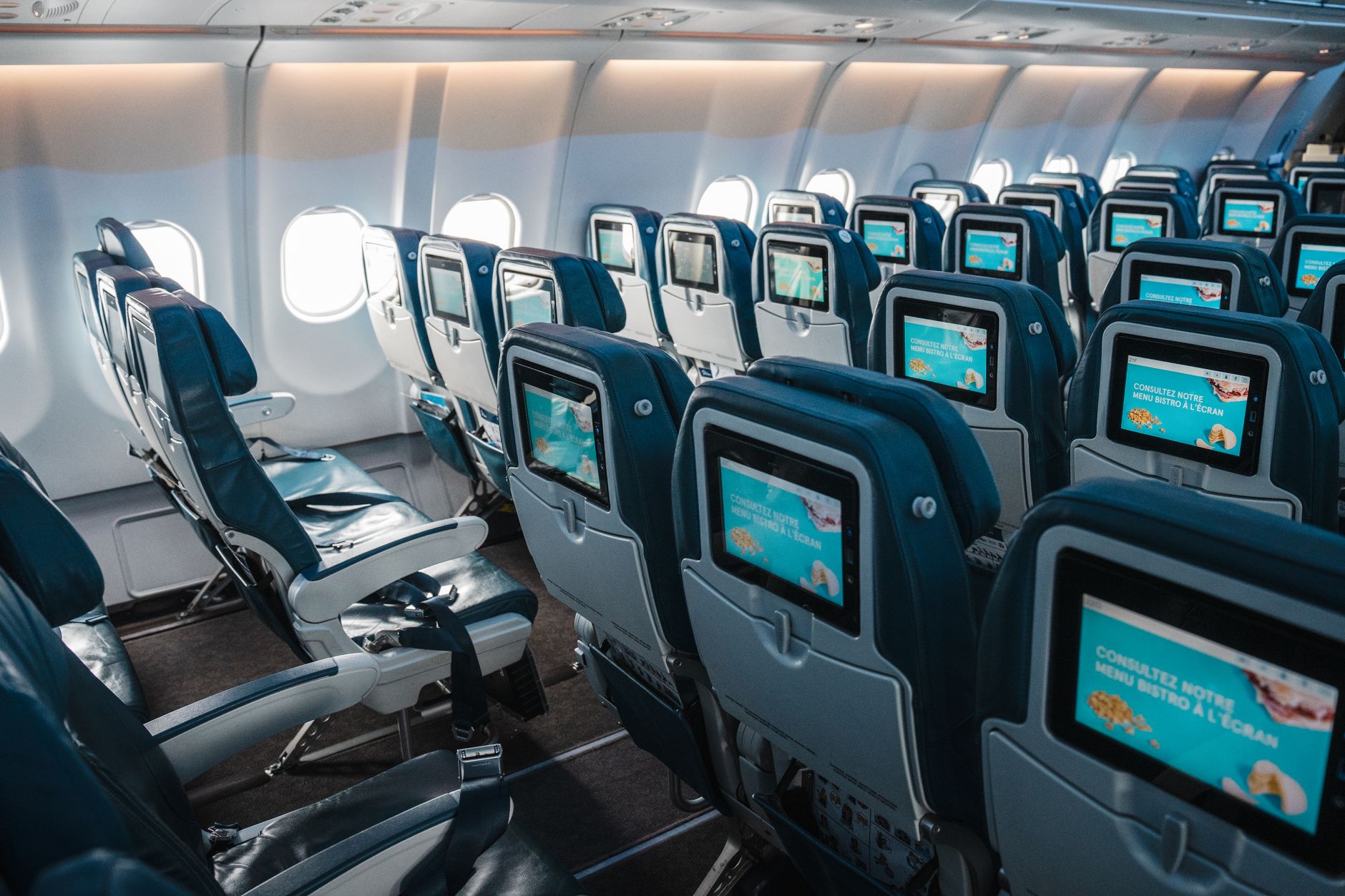
The 2026-2027 challenge centers on cabin interior design, pushing participants to think about how passengers experience flight and how that experience could be improved through innovative layout, materials, or features. The exercise is intentionally open-ended: teams must identify a problem, propose a solution, and present their design in a way that communicates intent clearly. That structure mirrors how professional design reviews actually work inside aviation companies and at NASA itself, making this less of a school project and more of an early professional simulation.
Submissions are team-based, encouraging collaborative problem-solving that reflects real workplace dynamics. The challenge is administered through the school year, giving students and educators ample runway to iterate on ideas rather than rushing to a single deadline. That pacing matters — iteration is one of the most underrated skills in engineering, and building it into a middle school curriculum is a deliberate pedagogical choice by NASA’s aeronautics education team.
A Ladder Built for Every Grade Level
The middle school challenge does not exist in isolation. NASA’s DWU program spans multiple grade bands, with a parallel School Engineering Challenge running alongside it for the same academic cycle. The high school version pushes into deeper engineering territory, but the two-tier structure means students who engage at the middle school level can carry that foundation directly into the more demanding high school program the following years. It is a deliberate ladder, not a one-off event.
That continuity is increasingly important as agencies and private aerospace firms look further ahead at their talent pipelines. The window between early STEM exposure and a student actually entering the workforce spans more than a decade, which means programs like DWU are planting seeds for engineers who will be working on aircraft designs in the 2040s and beyond. NASA framing a cabin redesign challenge as the entry point is a smart move — aircraft interiors are something every student has an opinion about, which lowers the intimidation barrier while the underlying engineering demands raise the ceiling. It is accessible without being trivial, and that balance is exactly what makes competitive STEM programs stick.