

Typing out prompts to an AI coding agent is already faster than writing code by hand. But OpenAI just made the whole loop faster still. The company is rolling out full duplex voice control — the same real-time, interruption-capable audio layer that powers GPT-4o Live — to Codex and to the ChatGPT desktop application, letting developers speak instructions, hear responses, and redirect running tasks without ever touching a keyboard. As questions about how to benchmark AI agents grow more urgent across the industry, OpenAI is already racing ahead on the experience layer.
The feature, reported by VentureBeat under the headline “Agentic coding goes hands-free as OpenAI brings GPT-Live’s full duplex voice control to Codex and ChatGPT on the desktop,” marks the first time the company has wired its most advanced conversational audio model directly into a coding-specific agentic workflow. Full duplex means the channel stays open in both directions simultaneously — the model can speak while it listens, and users can interrupt mid-output without waiting for a turn to end, unlike traditional push-to-talk or sequential voice interfaces.
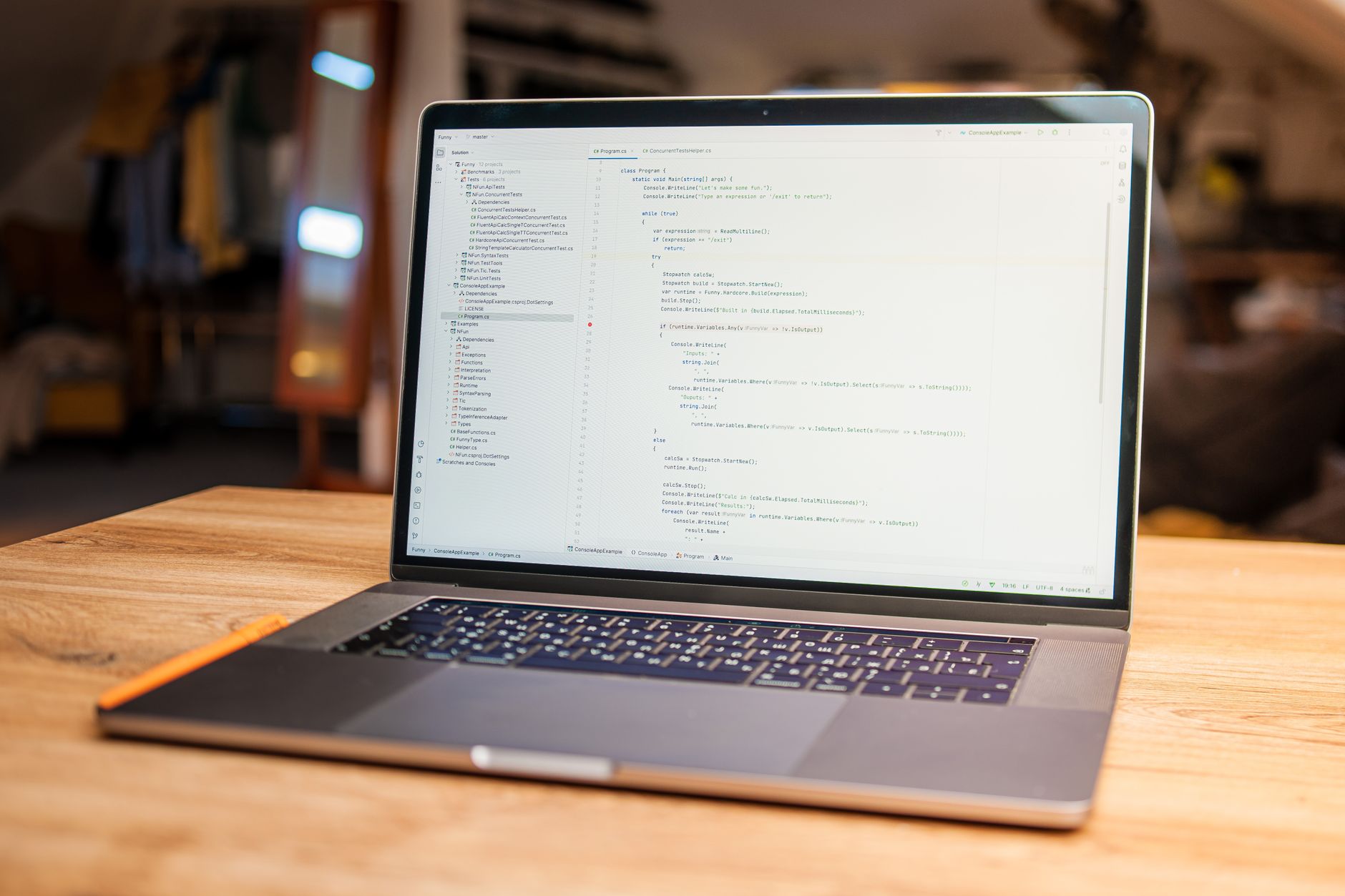
What Full Duplex Actually Changes for Developers
The distinction between full duplex and conventional voice input is not cosmetic. In a standard voice-to-text coding workflow, a developer dictates a prompt, waits for transcription, submits, and waits again for output. Full duplex collapses that into a fluid back-and-forth: a developer can say “stop, actually target Python 3.12” mid-generation and Codex responds in real time rather than finishing its current output first. That kind of low-latency correction loop is especially valuable in agentic contexts, where a model may be autonomously running tests, writing files, or calling external APIs across several sequential steps.
Codex, OpenAI’s cloud-based software engineering agent, is already built to handle multi-step tasks asynchronously — spinning up sandboxed environments, executing code, and returning results without continuous human supervision. Layering voice control onto that architecture means a developer can effectively monitor and redirect several parallel agent threads verbally, the way a team lead might redirect engineers in a standup, rather than switching between terminal windows and chat interfaces. The ergonomic shift is real, and the productivity implications for developers doing long, iterative debugging or refactoring sessions could be substantial.
Security Considerations the Industry Cannot Ignore
Hands-free agentic coding introduces a surface area that the security community is already watching closely. When an AI agent has write access to codebases, terminals, and external services, the instructions it receives — whether typed or spoken — become a meaningful attack vector. Prompt injection attacks designed to hijack agent behavior are an active and growing concern; a voice-enabled agent that processes audio input adds another dimension to that threat model. Broader trends in AI-adjacent security risks, including attacks specifically targeting AI coding tools, are already surfacing in AI coding attacks tracked by security researchers this year.

OpenAI has not publicly detailed the specific guardrails it is building into the voice-controlled Codex pipeline, such as whether audio commands are subject to the same content policy filtering as text prompts, or how the system handles ambiguous verbal instructions in a multi-step task where a misinterpretation could cascade. Those are not hypothetical concerns — they are the kinds of gaps that make enterprise security teams cautious about agentic deployments even when the underlying capability is compelling. How OpenAI answers them publicly will matter as much as the feature itself for enterprise adoption.
The Competitive Stakes in Voice-First AI Development
OpenAI is not moving in isolation. GitHub Copilot, Google’s Gemini Code Assist, and Anthropic’s Claude-powered coding tools are all competing for the developer workflow, and each is exploring richer interaction modalities beyond the chat box. But none has yet shipped full duplex voice control wired directly into an agentic coding environment at the depth OpenAI is describing with Codex. That gives OpenAI a meaningful first-mover claim in a specific and high-value niche: developers who want to stay in a flow state and treat their AI coding agent more like a collaborator they can talk to than a tool they have to prompt in writing.
The ChatGPT desktop application is the delivery vehicle for most of this, which also matters strategically. Desktop presence means OpenAI can capture the environment where professional developers actually spend their time — their local machines, their terminals, their editors — rather than asking them to context-switch to a browser tab. Combined with Codex’s autonomous task execution, voice control on the desktop positions OpenAI to own a much larger share of the active coding session, not just the question-and-answer moments around it. That is a fundamentally different product ambition than a smarter autocomplete.


One thought on “OpenAI Gives Codex a Voice: Full Duplex Audio Turns Agentic Coding Into a Conversation”