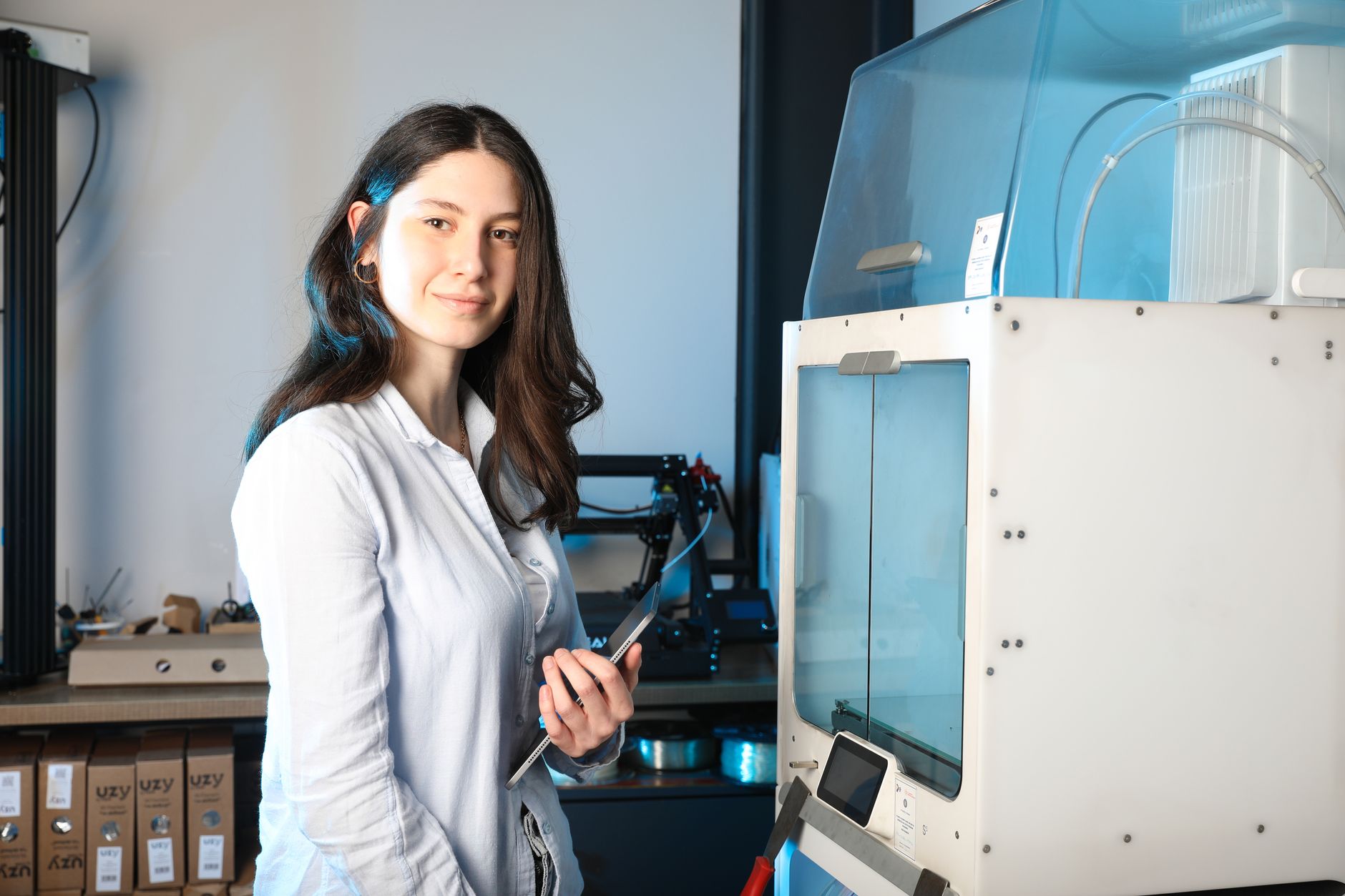
A quiet but strategically loaded deal just reshaped the medical device supply chain. Quasar Medical has acquired a dedicated nitinol design and development center, bringing in-house one of the most technically demanding material disciplines in the implant industry. The move signals that Quasar is positioning itself not just as a device maker, but as a vertically integrated engineering operation capable of controlling nitinol development from alloy specification through finished component. For a sector where venture capital is increasingly chasing medtech bets with defensible manufacturing moats, this kind of capability consolidation matters.
Nitinol — the nickel-titanium alloy prized for its shape-memory and superelastic properties — sits at the heart of a wide range of minimally invasive devices, from stents and guidewires to orthopedic staples and structural heart components. Its behavior is exquisitely sensitive to precise thermal processing and alloy composition, which is exactly why dedicated development infrastructure is so rare and so valuable. According to the PR Newswire announcement, the acquisition gives Quasar Medical full access to specialized nitinol design capabilities that would otherwise require years and significant capital to build organically.

What the Facility Actually Brings to the Table
The newly acquired center is built around the full nitinol development workflow — design, prototyping, testing, and iteration — all under one roof. That kind of end-to-end control is not incidental. Nitinol components must hit precise transformation temperature windows, often within a few degrees Celsius, to perform correctly once implanted in the human body. Outsourcing that process to contract manufacturers introduces variability and lead-time risk that can bottleneck an entire device program. By owning the facility outright, Quasar can compress development cycles and maintain tighter tolerances across its product pipeline.
The center also positions Quasar to take on custom development work for third-party device makers — a potential revenue stream that transforms a cost center into a profit-generating engineering services business. That dual-use model, where proprietary R&D capacity also generates contract revenue, has become a favored structure among ambitious mid-tier medtech companies looking to fund internal innovation without relying entirely on outside capital. The acquisition effectively gives Quasar a platform business layered on top of its existing product business.
The Bigger Strategic Play in Minimally Invasive Devices
Quasar Medical’s move fits into a broader consolidation pattern across the minimally invasive device space, where companies that control critical material science capabilities are increasingly difficult to displace. Nitinol expertise is genuinely scarce — the pool of engineers who deeply understand shape-memory alloy processing is small, and the equipment required for precise heat-treatment and shape-setting is highly specialized. Acquiring a functioning center means acquiring trained personnel, validated processes, and calibrated equipment simultaneously, none of which can be easily replicated on a short timeline.
The deal also arrives as regulatory and supply chain pressures continue to push device makers toward greater vertical integration. The pandemic-era disruptions to component supply exposed how fragile outsourced manufacturing dependencies can be, particularly for specialized materials like nitinol that have limited global supplier bases. Owning the design and development function — even if volume manufacturing remains distributed — gives Quasar a faster path from concept to regulatory submission, which in medtech directly translates to time-to-market advantage. As innovation cycles in structural heart, neurovascular, and peripheral vascular devices accelerate, that advantage compounds. The company has not disclosed the financial terms of the acquisition.