Running a capable coding agent on your own laptop or workstation — without routing a single token through a cloud API — has long been the dream of privacy-conscious developers and cost-wary enterprises alike. Alibaba’s Qwen team just made that dream considerably more realistic. The company’s Qwen3 model family, particularly the 8B and 27B parameter variants, delivers what the team describes as frontier-class reasoning and agentic coding performance entirely on local hardware, according to VentureBeat’s coverage of the release. That’s the kind of claim the AI industry makes often and delivers on rarely — but the benchmark numbers here are hard to dismiss. If you’ve been following the broader race to shrink capable models down to consumer hardware, this lands in the same conversation as our earlier look at DeepSeek V4 Flash and its struggle to match its own benchmark promise in real-world agent tasks.

What Qwen3 Actually Delivers on Local Hardware
The Qwen3-30B-A3B model — a mixture-of-experts architecture that activates only 3 billion parameters at inference time despite having 30 billion total — is the headline performer. On the AIME 2025 mathematics reasoning benchmark, it scores 81.4 percent, outperforming OpenAI’s o1 mini and landing within striking distance of far larger, cloud-only models. On LiveCodeBench, a coding benchmark designed to resist training-data contamination, the model posts competitive results against models that require expensive API access. The 8B dense model, meanwhile, punches well above its weight class, making it viable on consumer GPUs with as little as 16GB of VRAM when running in quantized form.
The mixture-of-experts design is the architectural trick that makes local deployment practical. By activating only a fraction of total parameters per inference pass, Qwen3-30B-A3B keeps memory bandwidth and compute requirements manageable without sacrificing the reasoning depth that agentic tasks demand. The models support a 32,000-token context window — enough headroom for multi-file code review, long document analysis, or extended tool-use loops that coding agents depend on. Alibaba has released the weights openly, meaning developers can pull them directly into frameworks like Ollama, LM Studio, or vLLM without any licensing friction.
Why This Changes the Local AI Calculus for Developers and Enterprises
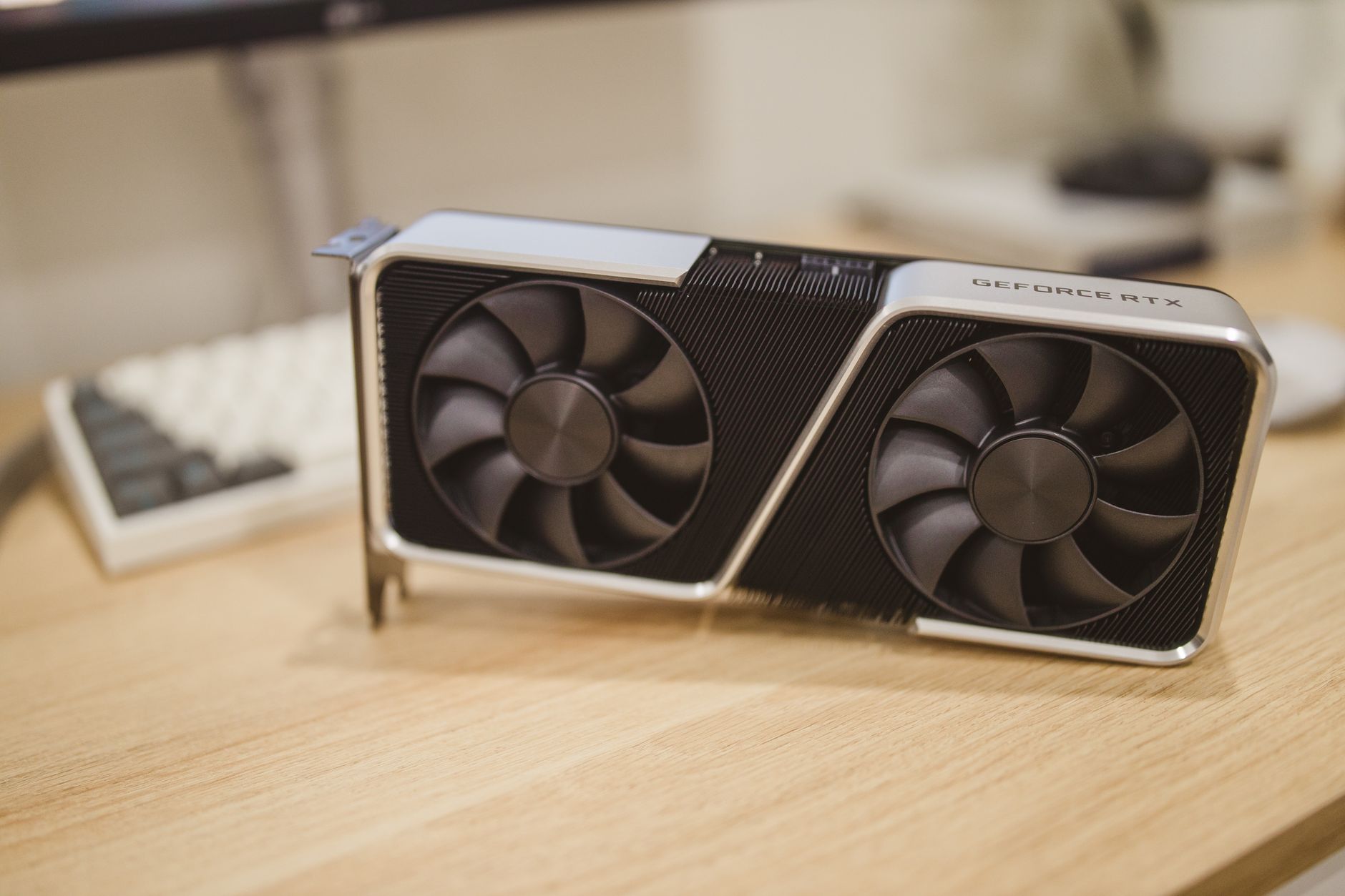
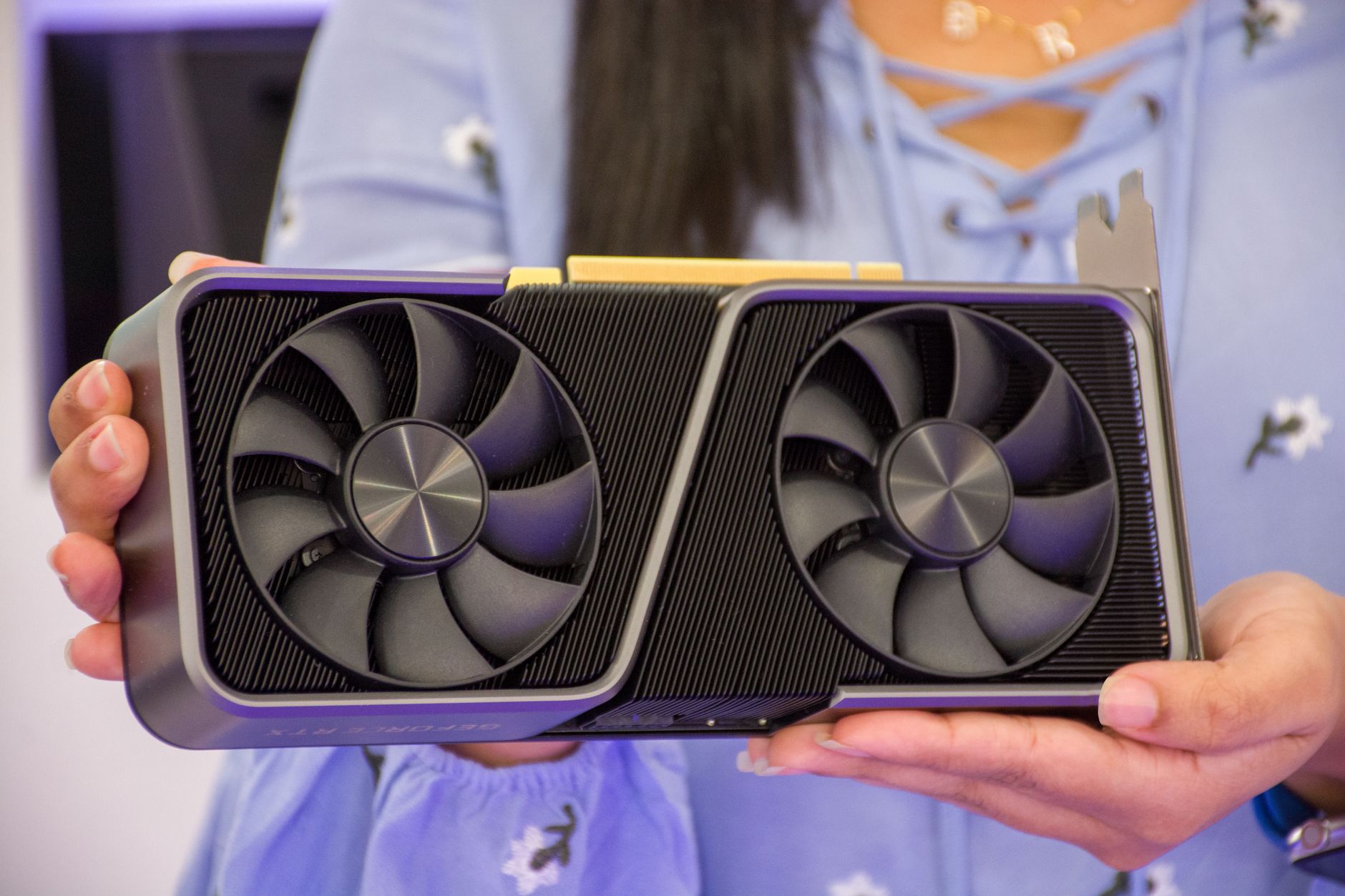
The implications extend well beyond benchmark bragging rights. Enterprise teams operating in regulated industries — healthcare, defense, financial services — have real legal and contractual reasons to keep code and data off third-party servers. Until recently, that constraint meant settling for models that were technically local but practically weak: good enough for autocomplete, useless for autonomous agent pipelines. Qwen3 shifts that tradeoff meaningfully. A 27B model capable of multi-step tool use, code generation, and structured reasoning can now run on a single high-end workstation GPU or a small on-premise server cluster, with no monthly API bill and no data leaving the building.
The competitive pressure this creates for cloud AI providers is real. OpenAI, Anthropic, and Google have built durable revenue streams around API access to capable models. Open-weight releases of Qwen3’s caliber erode the moat that has kept enterprises tethered to those platforms. It’s a dynamic that Washington is already watching closely — the AI model access is sharpening as Chinese labs like Alibaba’s Qwen team release models that rival American incumbents and distribute them globally under permissive licenses. For individual developers, the message is simpler: the hardware you already own may be enough to run a genuinely useful coding agent today, with no waitlists, no rate limits, and no usage fees. That’s a meaningful shift in who gets access to frontier-class AI tooling.