Flash storage giant SanDisk is trimming its Israeli workforce by dozens of employees, according to Calcalist Tech — and the timing makes the move harder to explain away. The cuts arrive while AI infrastructure spending is supercharging global demand for the high-capacity NAND flash memory that SanDisk designs and sells, making this a restructuring story rather than a distress signal, but a jarring one nonetheless. The company, which Western Digital spun off as an independent brand in 2024, has not publicly disclosed the precise headcount affected at its Israeli R&D center.
The contradiction is sharp: the broader storage industry is in the middle of one of its best demand cycles in years, driven by the insatiable appetite of AI data centers for high-throughput, high-endurance flash. That same tailwind has been reshaping how capital flows into hardware bets across the sector, a dynamic Future Wire has tracked in the context of AI investment risk on both sides of the Atlantic. Yet SanDisk is still choosing to consolidate its Israeli engineering presence.

What the Cuts Actually Look Like on the Ground
The Israeli operation has historically served as an engineering and R&D hub for SanDisk, contributing to firmware development, controller architecture, and flash management technologies. The Calcalist Tech report does not specify which functional teams are being reduced, but the cuts are described as affecting dozens of workers — a material reduction for a site of this type. SanDisk has not issued a public statement addressing the scope or rationale of the layoffs.
The timing follows SanDisk’s separation from Western Digital, a corporate split that was designed to give each company more strategic focus: Western Digital concentrating on hard disk drives, SanDisk sharpening its pure-play flash identity. Restructurings of this kind almost always include geographic footprint reviews, and Israel — despite its deep engineering talent pool — is an expensive location to maintain large R&D teams. Cost normalization after a spinoff is a plausible driver even when revenue trends are positive.
The AI Storage Boom That Makes This Complicated
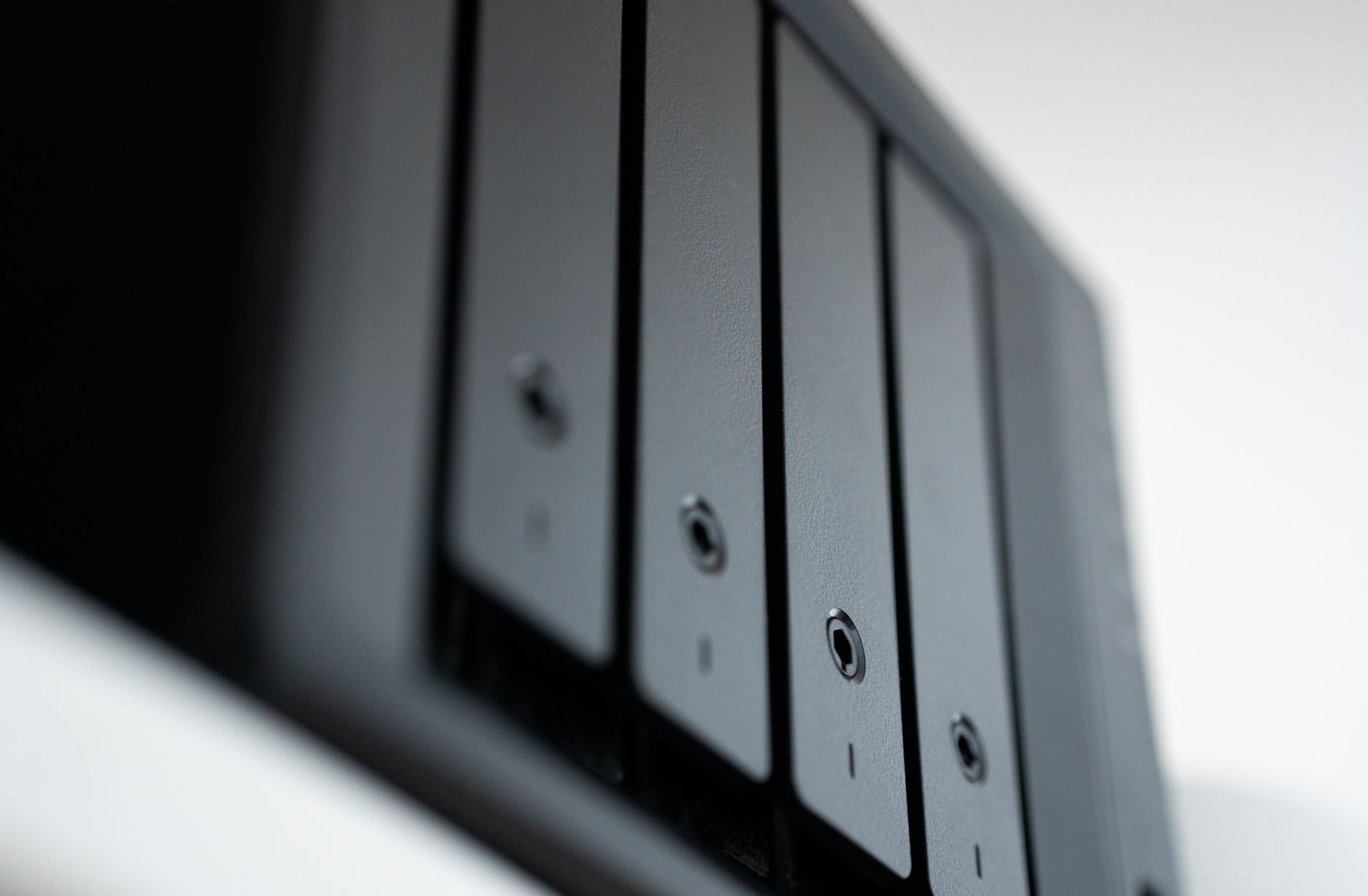
The market context here is genuinely unusual. AI model training and inference workloads are generating sustained demand for fast, dense storage at every layer of the data center stack. Enterprise SSD shipments have climbed significantly over the past several quarters as hyperscalers race to provision the storage capacity needed to feed GPU clusters. For a company like SanDisk, whose product line runs from consumer flash cards to enterprise-grade NVMe drives, that should be a rising tide moment.
The disconnect between that macro tailwind and a simultaneous R&D headcount reduction points to something companies across the hardware sector are grappling with: even when top-line demand is strong, the pressure to rationalize engineering costs — particularly in high-salary geographies — doesn’t pause. Agentic AI tools are increasingly being deployed to automate portions of the firmware and quality-assurance work that once required large on-site teams, potentially accelerating how quickly a company can reduce a site’s headcount without visibly degrading output. Whether that dynamic is at play here is unknown, but it is increasingly the subtext of tech-sector R&D consolidations.
SanDisk’s move underscores a broader tension in the storage industry: the companies best positioned to profit from AI’s hardware requirements are simultaneously under pressure from investors to demonstrate leaner operating structures as standalone entities. How SanDisk balances those competing demands — and what it signals about the long-term footprint of its global engineering network — will be worth watching as the company files its first full fiscal year of results as an independent brand.