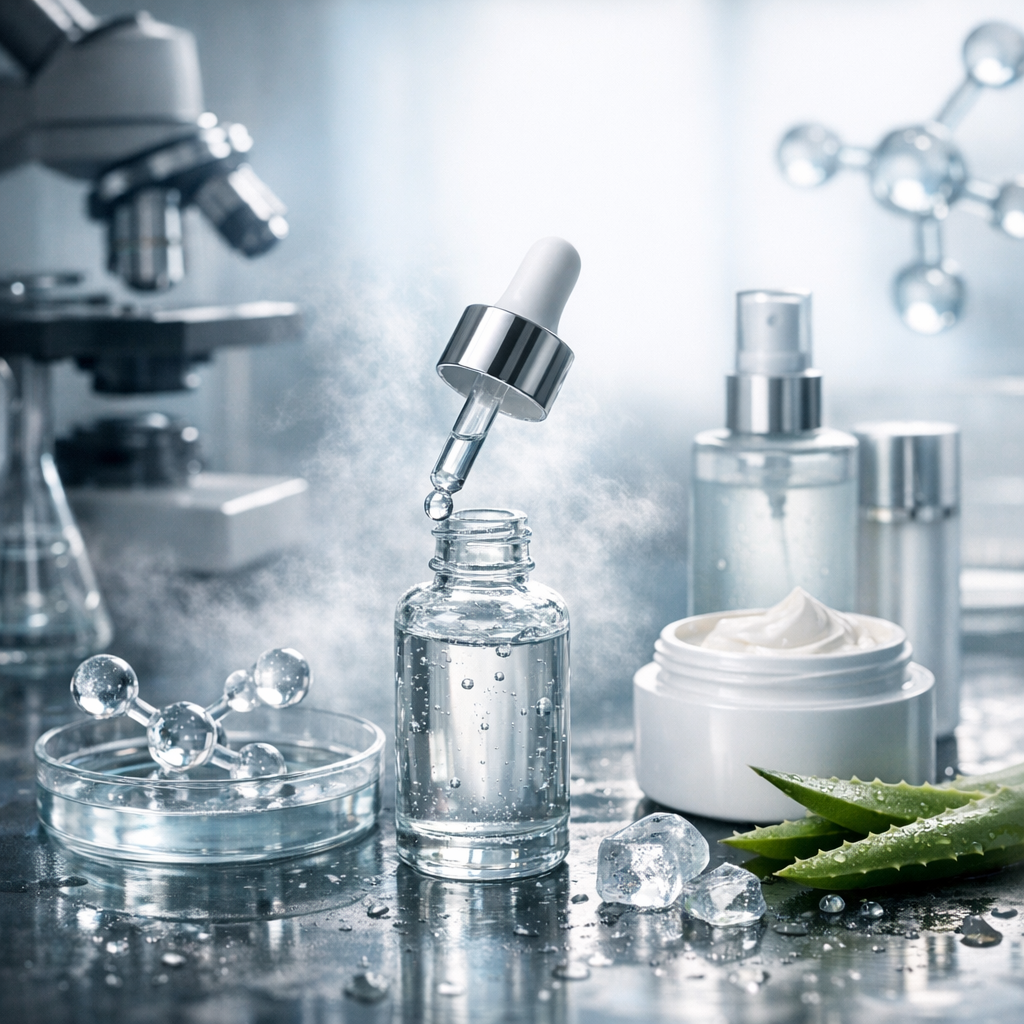
A recent report by Innovation News Network, titled “Stabilising hypochlorous acid for better skin,” highlights emerging scientific efforts to improve the stability and efficacy of hypochlorous acid (HOCl) in dermatological applications, signaling a potentially significant development in both medical and consumer skincare fields.
Hypochlorous acid, a naturally occurring molecule produced by white blood cells as part of the body’s immune response, has long been recognized for its antimicrobial and anti-inflammatory properties. Its effectiveness against a broad spectrum of pathogens, combined with its compatibility with human tissue, has made it an appealing candidate for wound care, infection control, and dermatological treatments. (HOCl chemical profile) However, despite its promise, the compound’s chemical instability has historically limited widespread adoption in commercial formulations.
The Innovation News Network article outlines how researchers and industry developers are working to overcome these limitations by improving the stability of HOCl in solution. Stabilisation is critical because hypochlorous acid can quickly degrade when exposed to light, heat, or changes in pH, reducing its shelf life and therapeutic effectiveness. Advances in formulation techniques, including insights from electrolyzed water and HOCl stabilization research, are now enabling longer-lasting products without compromising the molecule’s biological activity.
These developments are particularly relevant for skin health. Hypochlorous acid has been explored as a treatment for conditions such as acne, eczema, and rosacea, where its ability to reduce inflammation and eliminate harmful bacteria offers a dual benefit. Unlike some traditional treatments, which can be harsh or irritating, HOCl-based products are generally well tolerated, making them suitable for sensitive skin and repeated use.
The article also notes the growing interest from both medical and cosmetic sectors. In clinical settings, stabilised HOCl formulations are being considered for improved wound care protocols, including postoperative recovery and chronic wound management. In the consumer market, skincare brands are increasingly incorporating the compound into sprays, cleansers, and serums aimed at maintaining skin hygiene and supporting barrier function.
Despite this progress, the field still faces challenges. Ensuring consistent potency over time, maintaining safety standards, and scaling up production without compromising quality are ongoing concerns. Regulatory considerations also play a role, as developers must demonstrate both efficacy and safety across different uses and populations, in line with guidance from agencies such as the U.S. Food and Drug Administration.
The report underscores that continued research and collaboration between chemists, dermatologists, and manufacturers will be essential to fully realise the potential of hypochlorous acid. As formulation technologies advance, stabilised HOCl could represent a shift toward more biologically aligned skincare and wound care solutions, bridging the gap between medical treatment and everyday skin maintenance.
By addressing the longstanding issue of instability, the innovations described by Innovation News Network suggest that hypochlorous acid may move from a niche application to a more prominent role in modern dermatology and personal care.