
Budget e-bikes have long carried a reputation for cutting the wrong corners — janky brakes, wobbly frames, battery ranges that evaporate the moment you hit a hill. The Retrospec Joe Rev 2 is making a credible case that 2026 might be the year that changes. Wired’s review of the Joe Rev 2 calls it a genuinely enjoyable ride that punches well above its entry-level price point, and that’s not something you hear about mass-market commuter bikes very often. For anyone tracking the quiet revolution happening in personal electric transport — the same consumer-side energy shift driving solar dominance across the US grid — the Joe Rev 2 is a data point worth paying attention to.
The bike targets everyday urban commuters and casual riders who want electric assist without financing a premium model. It comes equipped with a 500-watt rear hub motor and a 36-volt battery system, specs that place it squarely in the accessible end of the market while still delivering enough torque to handle modest inclines without drama. Wired’s reviewer noted a real-world range that held up respectably across varied terrain, which has historically been the category’s Achilles heel.
Ride Quality That Earns the Price Tag
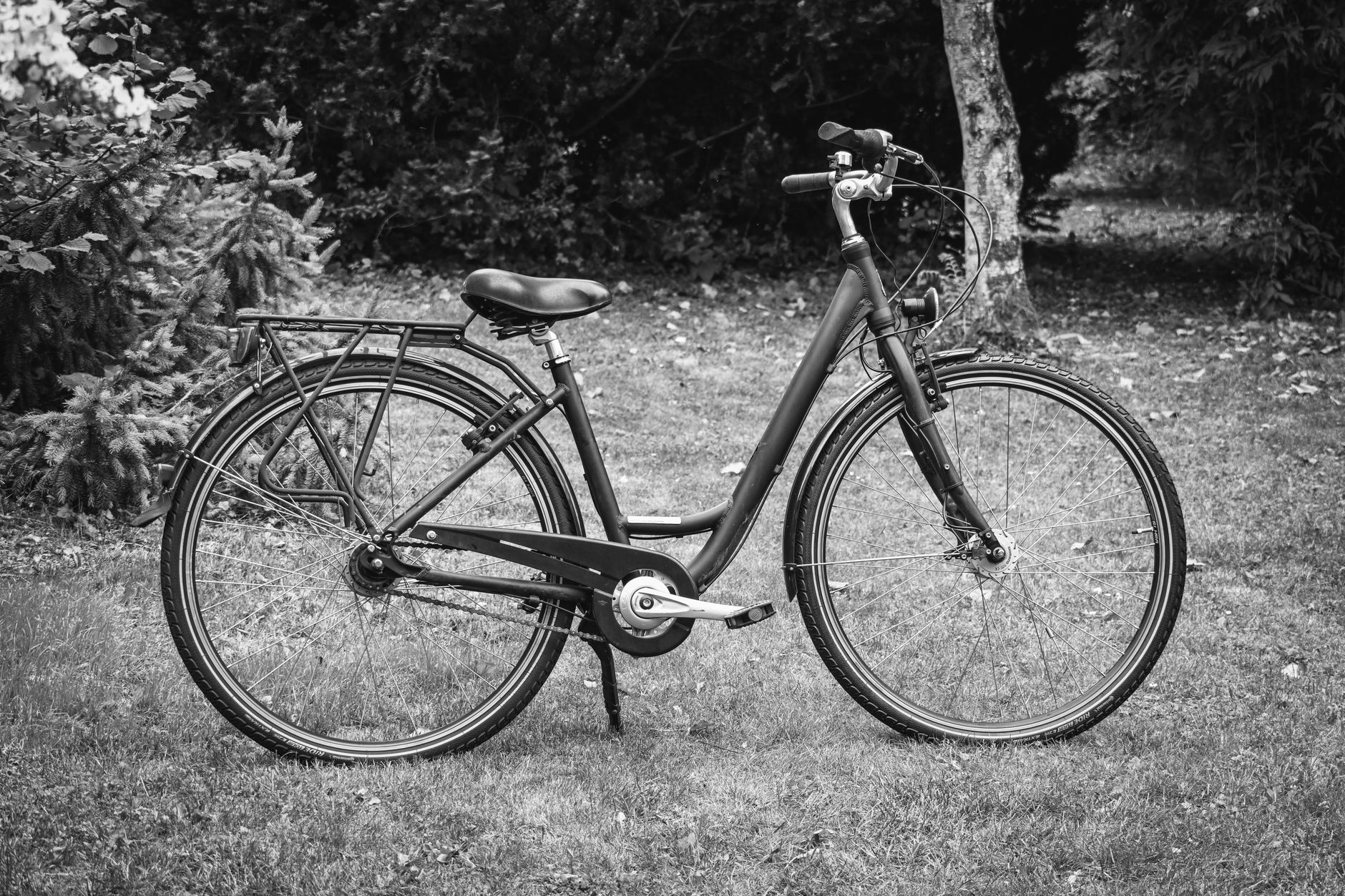
What separates the Joe Rev 2 from the graveyard of forgettable cheap e-bikes is its ride feel. Retrospec fitted the bike with a front suspension fork that absorbs enough road vibration to make city riding genuinely comfortable rather than a teeth-rattling chore. The geometry is upright and relaxed, which matters enormously for the stop-start rhythm of urban commuting. Wired’s review specifically highlights how the overall package feels more cohesive and deliberate than you’d expect at this price tier.
The five levels of pedal assist are responsive and well-calibrated, stepping up power smoothly rather than lurching forward like some competitors in the sub-$1,000 segment tend to do. The integrated rear rack adds real utility, giving commuters somewhere to strap a bag without bolting on an aftermarket accessory. Mechanical disc brakes — not the cheaper rim-brake setup common on budget builds — round out a component list that reflects considered engineering decisions rather than pure cost-cutting.
Who This Bike Is Actually For — and What It Still Gets Wrong
The Joe Rev 2 isn’t a performance machine, and Retrospec isn’t pretending it is. Top assisted speed caps out at the federally standard 20 mph Class 2 limit, and the motor won’t transform a steep climb into a leisurely cruise. Riders in hilly cities may find the 500-watt motor working harder than comfortable on sustained grades. Battery recharge time also lands on the longer end, a trade-off that’s common at this price but still worth flagging for anyone planning back-to-back commutes.
Still, the math here is hard to argue with for a specific kind of buyer: the urban rider doing two to ten miles a day who wants reliable, enjoyable electric assist without the anxiety of a four-figure purchase. The Joe Rev 2 occupies a category that’s been starved of genuinely good options, and Wired’s verdict suggests Retrospec has cleared that bar. Whether the brand can sustain build quality at scale is a separate question — one the market will answer over the next 12 to 18 months as these units age in the wild. For now, the Joe Rev 2 represents a legitimate step forward for accessible electric mobility, and that matters in a segment where consumer trust has been hard to earn.