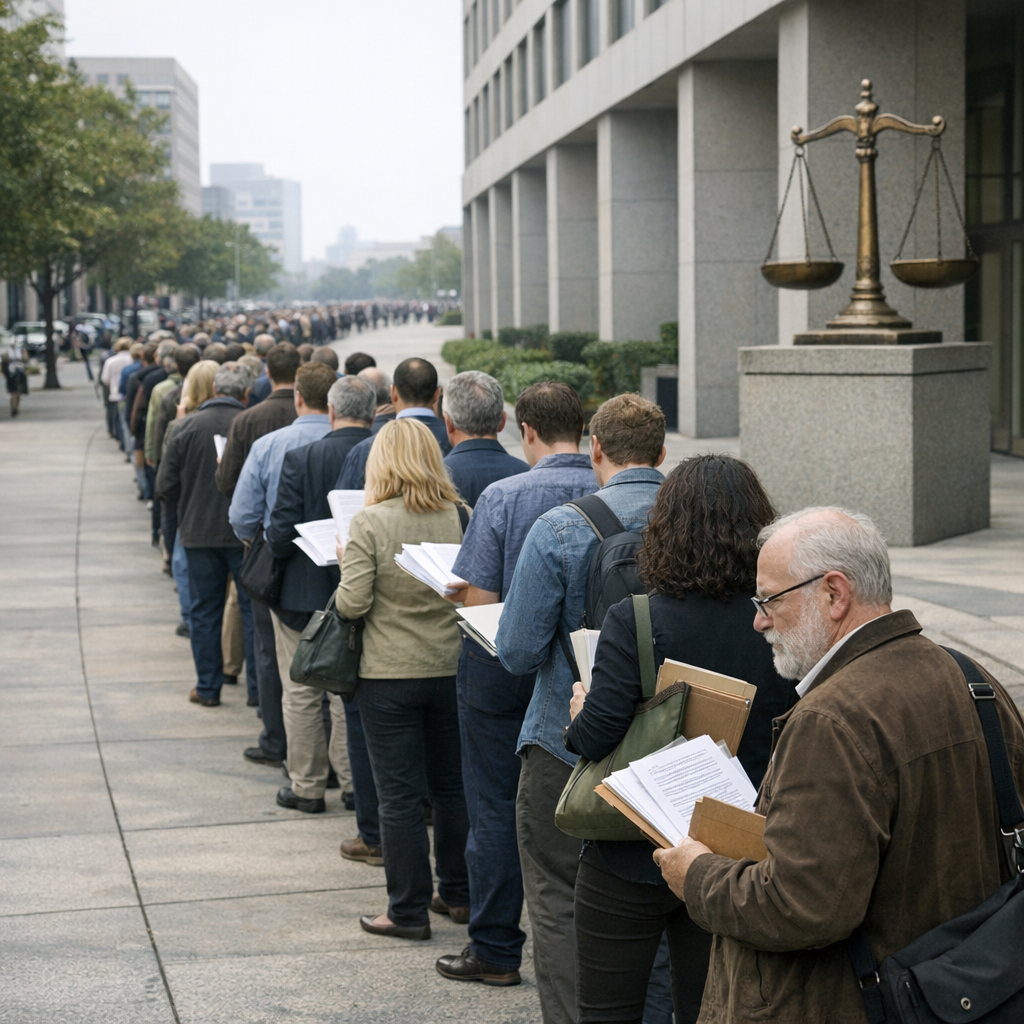
Thousands of writers are seeking compensation from an anticipated legal settlement involving artificial intelligence firm Anthropic, underscoring mounting tensions between creators and technology companies over the use of copyrighted material in AI training.
According to the article “Thousands of authors seek share of Anthropic copyright settlement,” published by The Economic Times, a growing number of authors have come forward to claim a portion of potential damages tied to allegations that Anthropic used copyrighted books without authorization to train its language models. The dispute is part of a broader wave of litigation targeting AI developers and their data practices, as the rapid expansion of generative AI has raised complex legal and ethical questions about intellectual property.
The claims stem from lawsuits accusing Anthropic of copying large volumes of books to build its systems, an approach critics argue amounts to infringement on authors’ rights. While the company has defended its practices as consistent with fair use principles, the possibility of a settlement has prompted thousands of writers to register their claims in anticipation of compensation.
Legal experts suggest the scale of participation reflects increasing awareness among authors of how their work may have been used to fuel AI systems. It also signals a shift in the creative industry, where individuals and advocacy groups are becoming more organized in challenging technology firms.
The case is being closely watched across the publishing and technology sectors, as its outcome could help establish precedents for how courts interpret copyright law in the context of machine learning. If authors secure meaningful compensation, it may encourage similar claims against other AI developers, potentially reshaping how training data is sourced and licensed.
At the same time, companies like Anthropic face growing pressure to strike a balance between innovation and compliance. Any settlement framework that distributes funds to thousands of claimants could influence how future disputes are resolved, potentially leading to more formalized licensing agreements between AI firms and content creators.
The dispute highlights the evolving friction between technological advancement and established intellectual property regimes. As generative AI continues to integrate into mainstream applications, the resolution of such cases may determine not only the financial stakes for creators but also the operational models of the companies building these systems.