The AI infrastructure buildout has a new obstacle, and she’s 82 years old and not moving. As Fortune recently reported, a Kentucky grandmother flatly rejected a $26 million offer from a data center developer who wanted to transform her family farm into a server facility. Her response, distilled to six words — “I don’t need your money” — has become an unlikely rallying cry for rural landowners increasingly targeted by tech companies racing to plant computing infrastructure in America’s heartland. The story lands at a moment when power grid pressure from AI workloads is already straining every link in the energy and land supply chain.
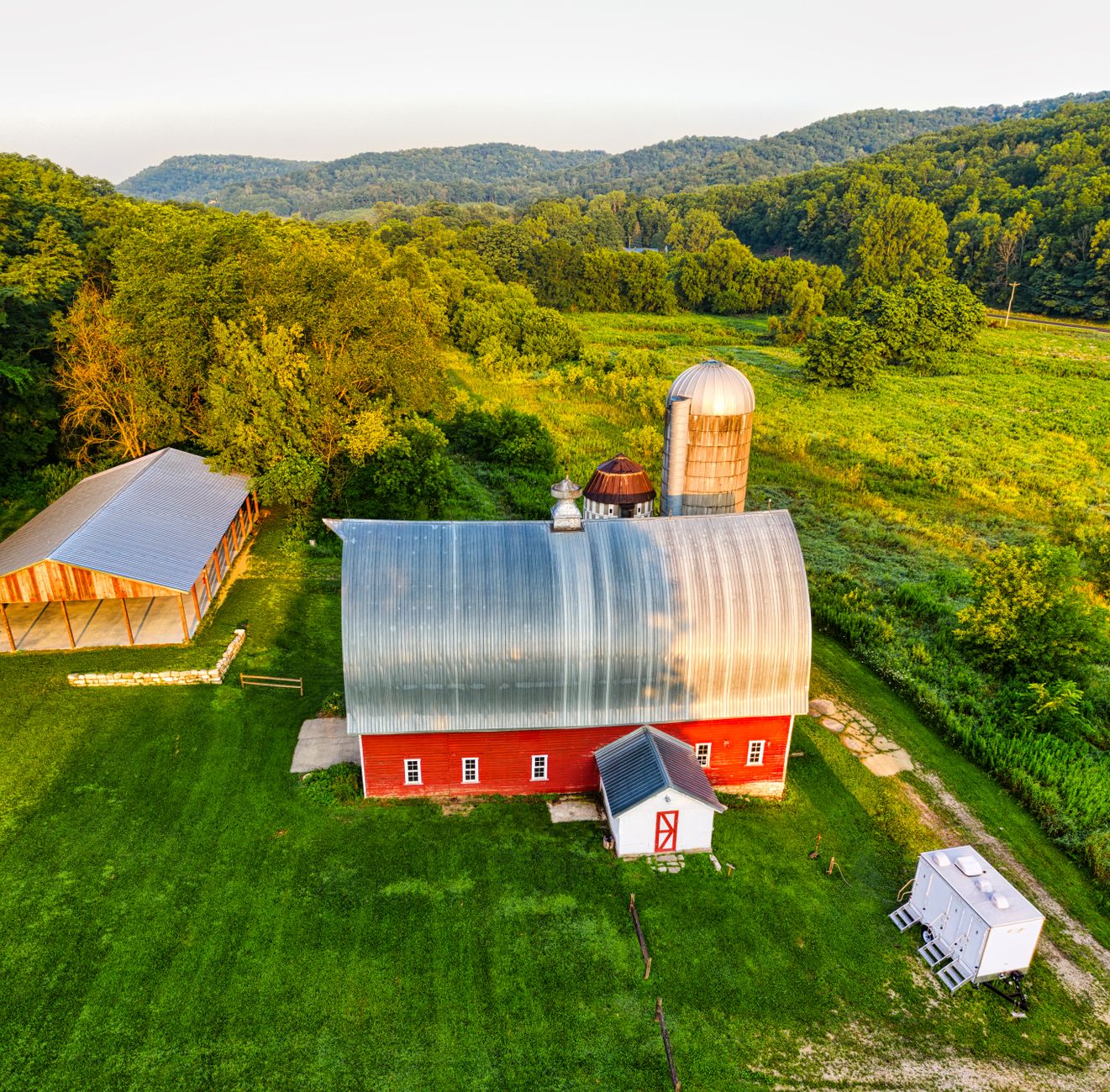
The woman, whose family has worked the Kentucky land for generations, was approached by developers who saw what data center site scouts increasingly see in rural America: cheap acreage, proximity to power substations, and limited local regulatory friction. A $26 million cash offer would represent a life-altering sum for most sellers. She wasn’t most sellers.
Why Rural Land Is Suddenly Ground Zero for the AI Arms Race
The pressure on landowners like her is not incidental — it’s structural. Data center construction in the United States hit record levels in 2024 and has only accelerated since. Northern Virginia, long the dominant hub, is now so capacity-constrained that developers are fanning out into secondary and tertiary markets: the Midwest, the Southeast, Appalachia. Kentucky, with its relatively low electricity rates and available land, has become a target. A single hyperscale facility can require anywhere from 50 to 500 acres and draw between 100 and 500 megawatts of power at full load — roughly the consumption of a small city.
That appetite for land and electricity is creating friction with the communities developers need to court. Landowners who have farmed the same soil for multiple generations don’t evaluate offers on a simple dollars-per-acre basis. They’re weighing legacy, community identity, and what a massive industrial facility means for the neighbors left behind. The Kentucky grandmother’s refusal is extreme in its dollar figure but not unusual in its logic. Across Ohio, Indiana, and Tennessee, similar confrontations between developers and generational landholders have quietly stalled or rerouted projects that never made headlines.
A $26 Million ‘No’ and What It Signals for the Industry
For the data center industry, the story is a useful stress test. Developers have generally operated on the assumption that sufficiently large offers break down resistance — that land acquisition is ultimately a financial negotiation, not a values one. This grandmother’s refusal suggests otherwise, and it points to a softer but real constraint on how fast the AI buildout can actually move. Site acquisition timelines are already stretching as communities demand more from developers: tax agreements, local hiring commitments, utility impact studies, and noise and water-use guarantees.
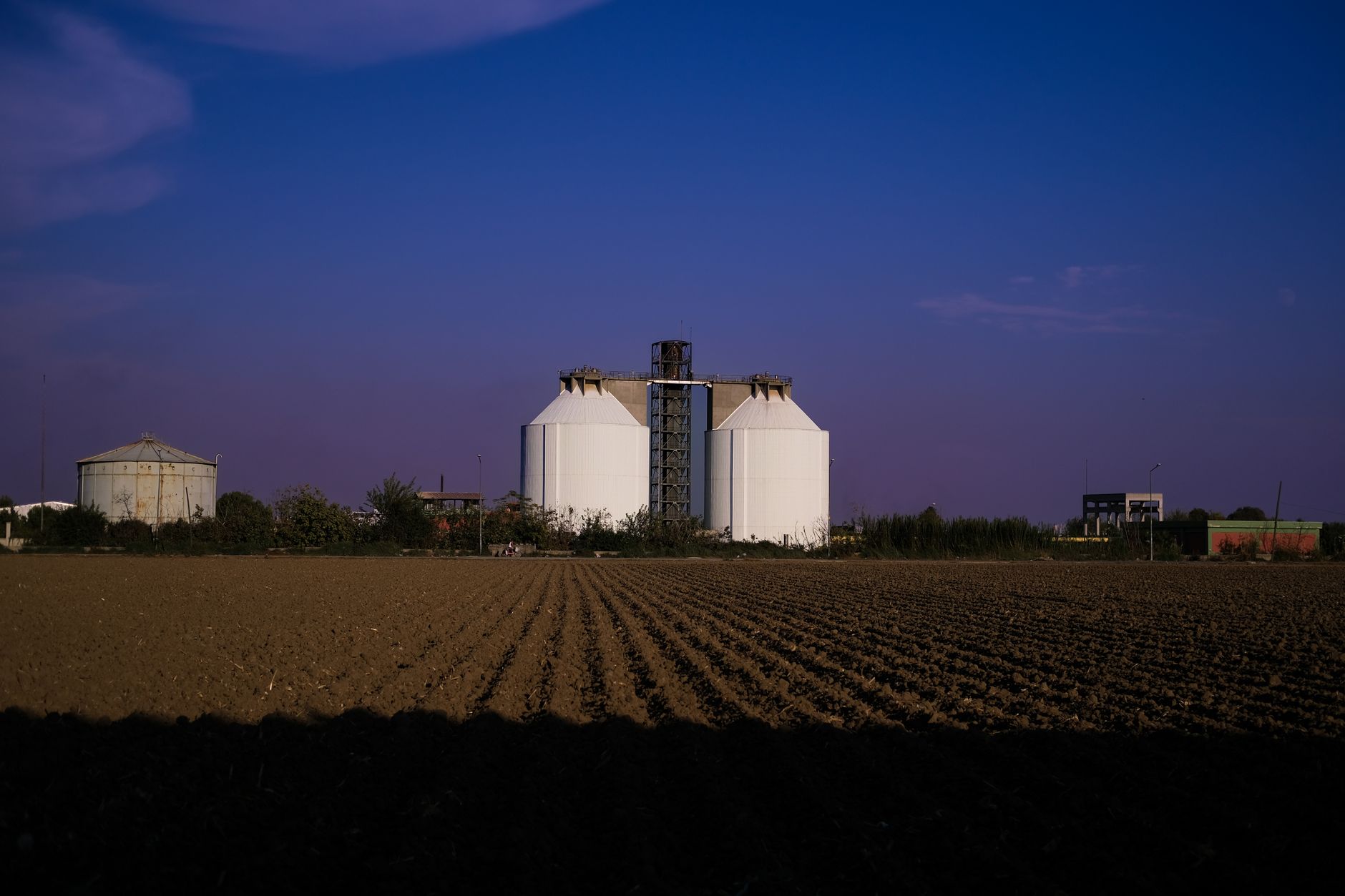
The broader implication is that raw capital alone won’t solve the land problem. Companies spending billions on GPU clusters and cooling infrastructure still have to negotiate with individual people who hold deeds — people who, like this 82-year-old Kentuckian, may simply not be reachable by a wire transfer. As the AI adoption gap between infrastructure demand and real-world deployment continues to widen, stories like this one serve as a ground-level reminder that the hardest bottlenecks in the AI era aren’t always technical. Sometimes they’re a grandma with a deed and a clear conscience.