
The April 2024 total solar eclipse across North America was a logistical phenomenon as much as an astronomical one. Hotels along the path of totality sold out months in advance, highways gridlocked for hours, and millions of people got their first taste of what it actually feels like to stand in the moon’s shadow. That experience is coming again — twice — and if you wait to start planning, you will miss it. Wired’s eclipse planning guide lays out the key dates, paths, and decisions travelers need to make now, not later. For context on how astronomical events increasingly intersect with energy infrastructure concerns, our own coverage of US solar power is worth a read alongside this one.
The next total solar eclipse occurs on August 12, 2026, cutting a narrow path across the Arctic, Greenland, and Iceland before sweeping through Spain and a sliver of Portugal. Totality — the period when the moon completely blocks the sun — will last up to two minutes and 18 seconds at peak points along the path. Spain, particularly areas around the Balearic Islands and the country’s northeastern coast, sits squarely in the prime viewing zone. The following year, on August 2, 2027, a longer and more dramatic eclipse will cross North Africa, the Arabian Peninsula, and parts of East Africa, with totality stretching an extraordinary six minutes and 23 seconds in some locations — one of the longest totality durations of the entire 21st century.
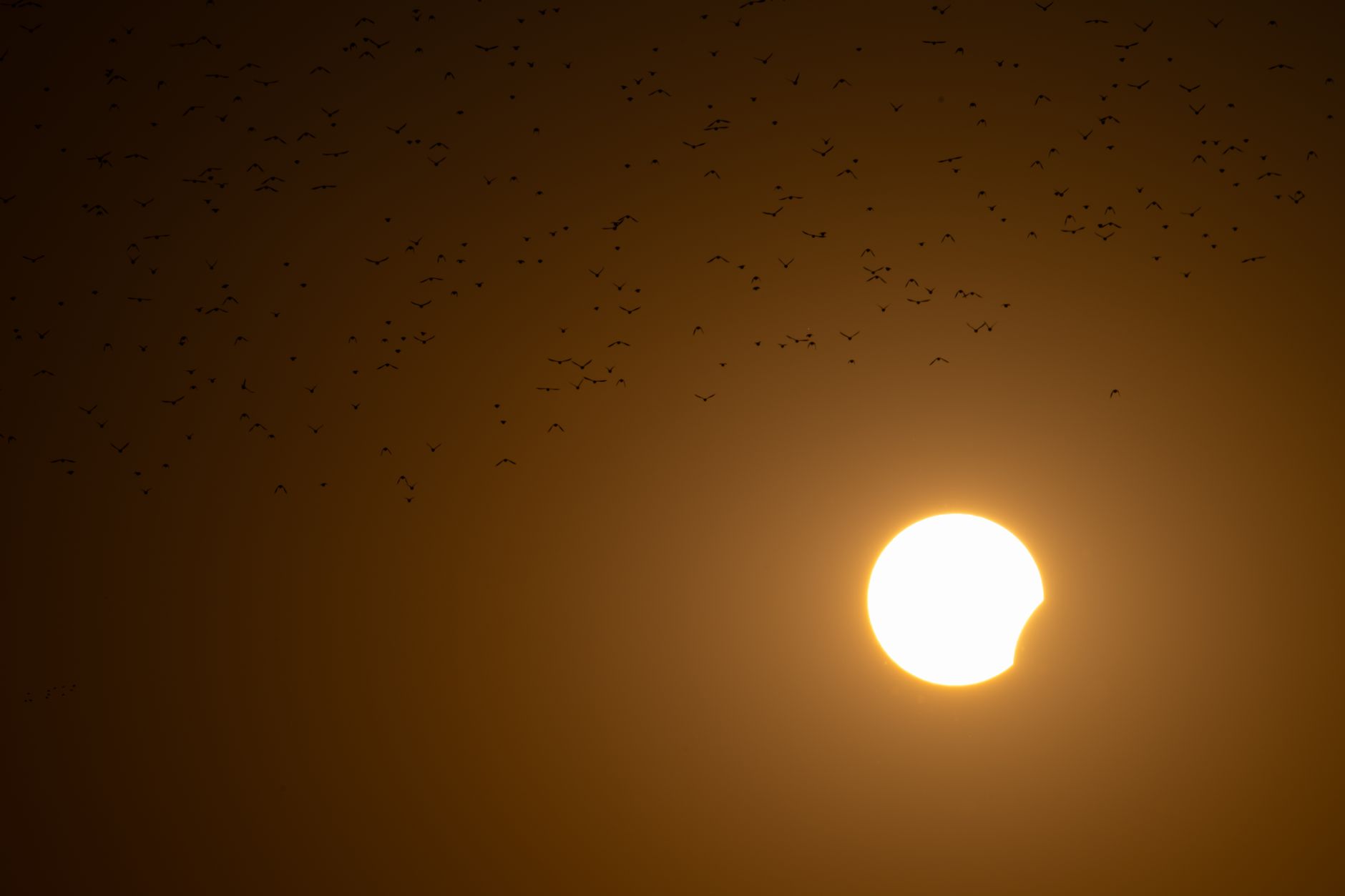
Why the 2027 Eclipse Is the One Serious Chasers Are Already Booking
Six minutes and 23 seconds of totality is not a small number. For comparison, the 2024 North American eclipse peaked at about four minutes and 28 seconds in a few locations — already long by modern standards. The 2027 path runs through Egypt, Saudi Arabia, Yemen, Somalia, and Ethiopia, among other countries. Luxor, Egypt, sits almost exactly on the centerline, making it one of the most accessible high-totality destinations for travelers from Europe and North America. The combination of clear desert skies in August, world-class historical sites, and near-maximum totality duration makes the Luxor corridor an early frontrunner for eclipse tourism hotspots.
Eclipse tourism is not a niche hobby anymore. The 2024 event demonstrated that totality paths generate enormous short-term economic activity — and equally enormous accommodation crunches. Small cities and towns that fall directly in the path often have limited hotel stock, and tour operators specializing in eclipse travel begin selling dedicated packages years out. Wired’s reporting emphasizes that the planning horizon for 2027 in particular should be measured in years, not months. Flight routes into secondary African destinations can also be limited, which adds another layer of logistical complexity that early movers avoid.

Gear, Logistics, and the Science You Will Actually Want to Know
Viewing a total solar eclipse safely requires certified ISO 12312-2 solar eclipse glasses during every phase except totality itself — the brief window when the corona is fully visible and direct viewing is safe. Counterfeit eclipse glasses have been a documented problem ahead of major events, and Wired’s guide stresses sourcing from reputable suppliers well in advance, since legitimate stock tends to evaporate quickly once an eclipse date approaches. Binoculars and telescopes require dedicated solar filters during partial phases; only during totality can optical aids be used without filtration.
Beyond the gear checklist, the science of what you actually see during totality makes the planning worth it. The solar corona — the sun’s outer atmosphere — becomes visible as a pearlescent halo, something impossible to observe under normal conditions. Solar prominences, loops of plasma extending from the sun’s surface, may also be visible to the naked eye. The 2027 eclipse’s extended totality window gives observers in prime locations an unusually long window to take in these features. Weather, as always, remains the wildcard: cloud cover can erase a years-in-the-making trip in seconds, which is why Wired recommends researching historical August cloud probability data for any candidate location — and building in a backup plan. The 2026 Spanish coast and the 2027 North African interior both trend toward clear skies in their respective August windows, but no forecast is guaranteed two years out. Book refundable where possible, watch the meteorological models as the dates approach, and stay flexible.