Nuclear energy was supposed to be the clean, always-on answer to one of tech’s most urgent problems: how to power a generation of AI data centers that are consuming electricity at a staggering and accelerating rate. But as Calcalist Tech reports, the climate crisis is quietly undermining the very infrastructure the industry is betting on. Rising river temperatures, prolonged droughts, and extreme heat events are forcing reactors to reduce output or shut down entirely — sometimes at exactly the moments demand spikes highest. The nuclear fix, it turns out, has a vulnerability baked in.
The timing is brutal. Tech giants have spent the last two years racing to lock up nuclear capacity, signing long-term power purchase agreements and even funding reactor restarts, all in pursuit of the carbon-free baseload power that wind and solar can’t reliably deliver. Meanwhile, the nuclear energy sector is simultaneously being treated as a geopolitical asset by governments from Washington to Beijing. Demand has never been higher. And climate risk has never been more concrete.

Why Water Is Nuclear’s Achilles’ Heel
Most people picture nuclear plants as immune to the weather quirks that plague solar panels or wind turbines. In reality, the vast majority of the world’s reactors depend on nearby rivers, lakes, or coastal waters for cooling. When those water sources run warm or run low, plants are legally required to throttle output — or face regulatory penalties for discharging water hot enough to damage local ecosystems. France, which relies on nuclear for roughly 70 percent of its electricity, has been forced to cut reactor output repeatedly during summer heat waves, a pattern that has grown more frequent and more severe over the past decade.
The problem compounds as AI infrastructure scales up. Data centers are being built at an unprecedented pace, with projected electricity demand from the sector set to more than double by the end of the decade. Operators specifically chose nuclear to avoid the intermittency issues that come with renewables. But a reactor running at 60 percent capacity during a summer heat dome provides no more reliability than a cloudy day does for a solar farm — it just fails differently and less visibly. The Calcalist Tech report underscores that this tension between climate disruption and nuclear dependability is becoming a structural problem, not an edge case.

Big Tech’s Nuclear Bet Is Now a Two-Front Problem
The industry’s response so far has been to double down rather than diversify. Microsoft, Google, and Amazon have all inked deals tied to nuclear capacity in some form, ranging from agreements around existing plants to investments in next-generation small modular reactors that promise a smaller physical footprint and potentially more site flexibility. SMRs could, in theory, be located away from major water bodies and closer to data center campuses. But commercial SMR deployment at scale remains years away, and the reactors being stressed by climate conditions today are the large, water-cooled facilities that the grid actually runs on right now.
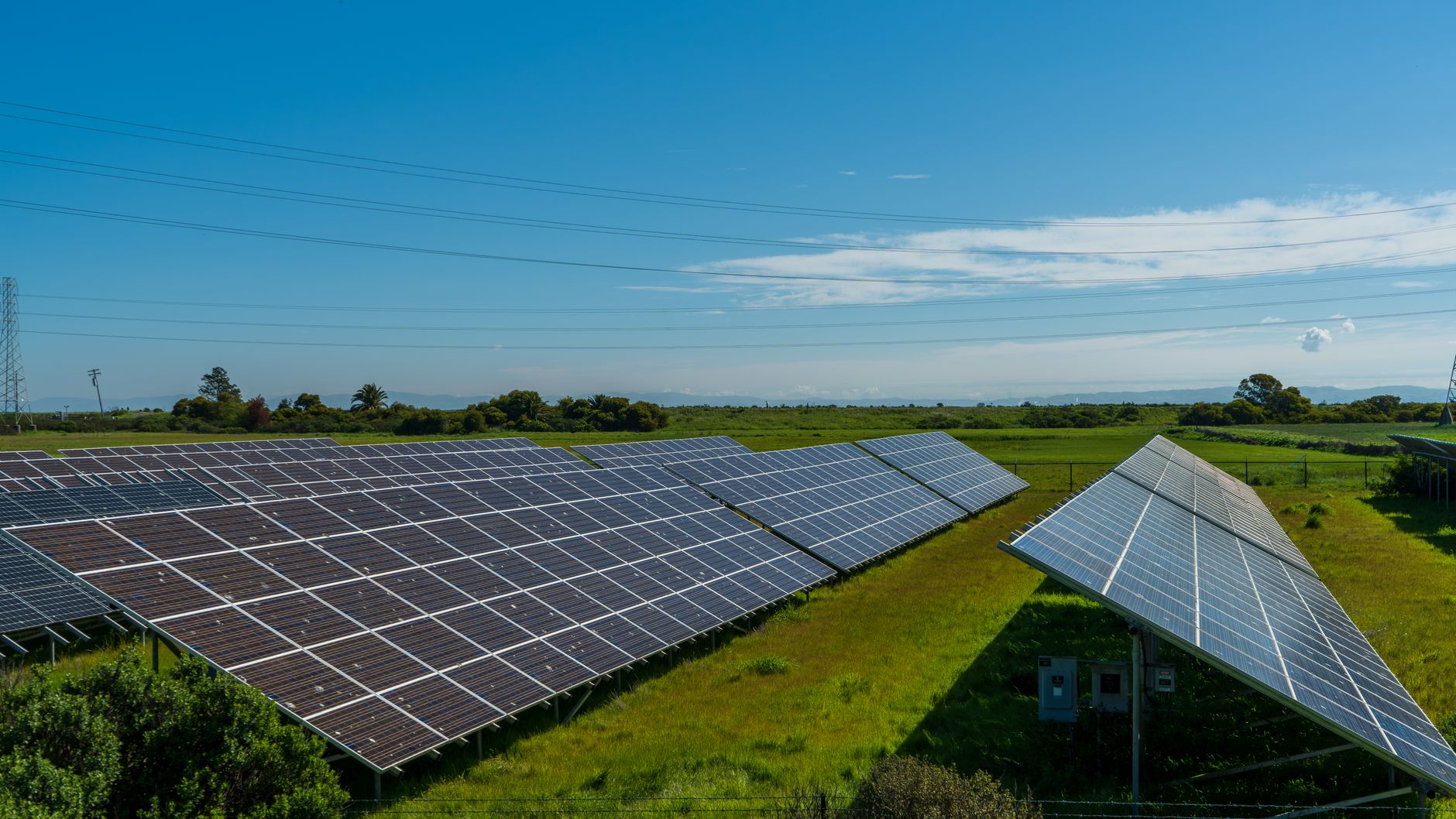
There’s also the political layer. Communities near proposed data center sites are already pushing back hard on the land, water, and grid strain these facilities bring — a backlash documented across The Verge’s reporting on bipartisan opposition from Florida to the Pacific Northwest. Adding nuclear proximity to that mix does not simplify the conversation. Meanwhile, US solar capacity continues to surge as the fastest-growing addition to the grid, suggesting that the actual energy mix powering AI will need to be far more distributed and redundant than current corporate roadmaps acknowledge. Nuclear may still be part of the answer — but climate change is making clear it cannot be the whole one.