A band of unusually warm surface water stretching across the central and eastern tropical Pacific Ocean does not sound like it should affect wheat prices in Australia, hydropower in Colombia, or monsoon timing in South Asia. But that is exactly what El Niño does — and as Wired explains in its breakdown of El Niño’s mechanics, the phenomenon is one of the most consequential climate patterns on Earth. With its return now rippling across multiple continents, the economic and human stakes are becoming impossible to ignore. The disruption is not just meteorological — it reaches directly into energy supply chains, a stress point we have previously tracked in our reporting on nuclear energy vulnerabilities tied to extreme heat and flooding.
El Niño forms when trade winds that normally push warm water westward across the Pacific weaken or reverse. That allows warm water to pool in the central and eastern Pacific, which in turn shifts where storms form, where rain falls, and where drought settles. The cycle typically lasts nine to twelve months, though its effects can persist much longer. The 1997 to 1998 event — still the benchmark for severity — caused an estimated $45 billion in damages globally and contributed to wildfires, floods, and food shortfalls across dozens of countries simultaneously.

Monsoons Fractured, Harvests in Danger
Nowhere is El Niño’s agricultural leverage more visible right now than in South Asia. India’s monsoon season, which irrigates roughly half of the country’s farmland and recharges reservoirs that supply drinking water to hundreds of millions of people, has been behaving erratically. According to Bloomberg’s monsoon reporting, the volatile oscillation between intense downpours and sudden dry spells is threatening both crop yields and the power grid — hydroelectric output drops sharply when reservoir levels fall below operating thresholds. It is a cascading failure: less rain means less power, and less power means less capacity to pump irrigation water, compounding the agricultural stress.
Southeast Asia faces a parallel but distinct threat. Countries like Vietnam, Thailand, and Indonesia depend on predictable wet seasons for rice cultivation. El Niño conditions typically suppress rainfall across the region, shrinking harvests and pushing up global food commodity prices. A Fortune analysis found that satellite AI tools could give governments in the region sharper early-warning data to plan crop rotations and water rationing — but adoption remains uneven and politically slow. The technology exists. The political will to deploy it at scale does not yet match the urgency.
Energy Markets and Economic Exposure
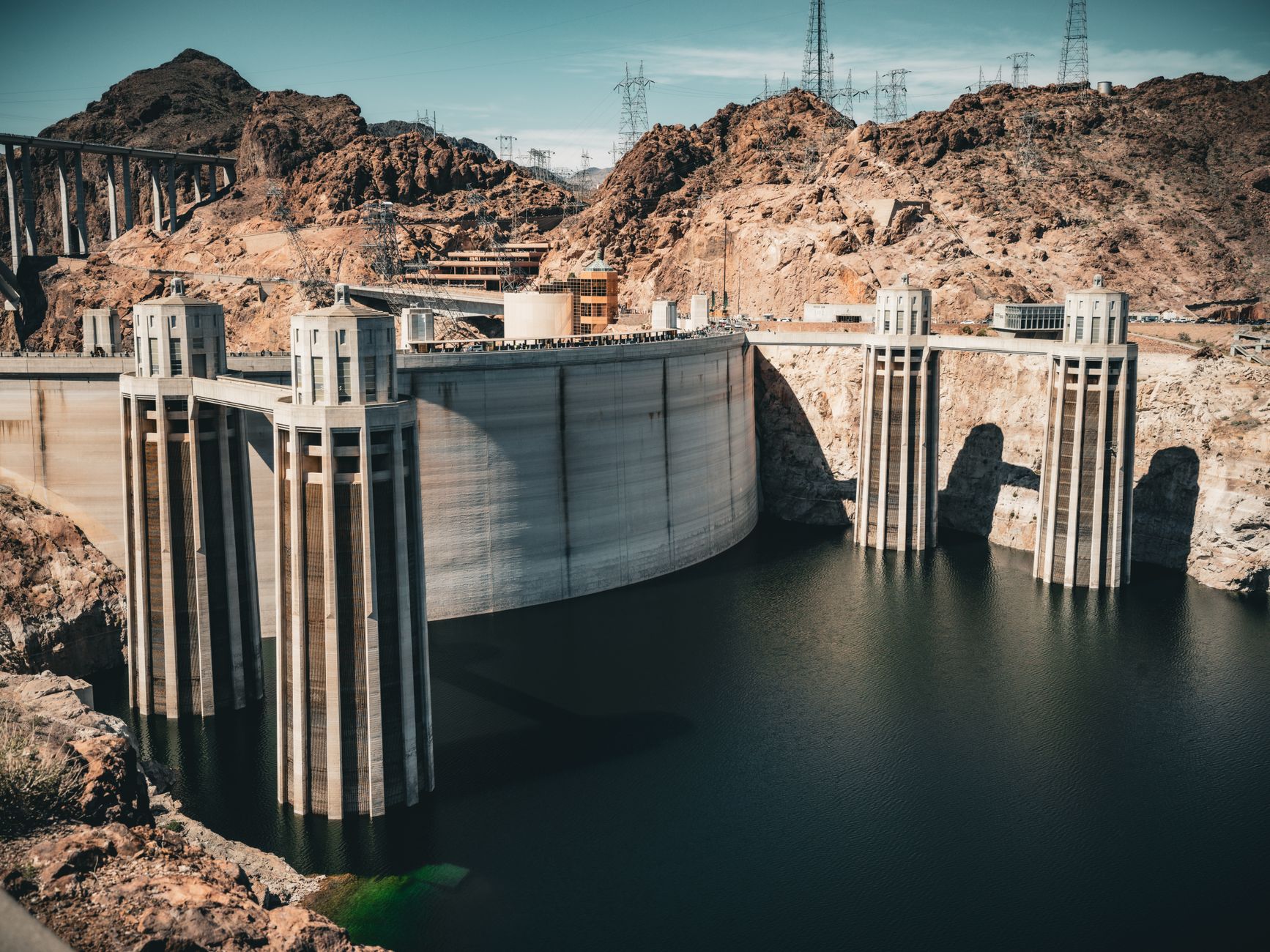
The economic ripple effects of El Niño move fast and hit unevenly. Countries that rely heavily on hydropower — Brazil, Colombia, Peru, and large parts of sub-Saharan Africa — face electricity shortfalls when El Niño-driven drought cuts river flows. Brazil, which generates roughly 60 percent of its electricity from hydropower, has seen this dynamic force expensive emergency imports from thermal plants during previous El Niño episodes, driving up consumer power bills and industrial operating costs in tandem. Meanwhile, in the northern hemisphere, reduced hurricane activity in the Atlantic — a counterintuitive El Niño side effect — can ease insurance risk, but the same pattern that suppresses Atlantic storms intensifies drought conditions in the American Southwest.
Europe is facing its own compounding pressures. While El Niño’s direct fingerprint on European weather is subtler than in the tropics, the continent has been dealing with record heat events this summer that stress both electricity demand and supply simultaneously. As CNBC reported, European heatwaves are colliding with already elevated energy costs, squeezing households and industrial users who have little buffer left after years of supply disruptions. El Niño does not cause European heat in isolation, but a warmer baseline climate amplifies whatever pattern arrives. The result is that a natural Pacific oscillation, operating on timescales of months, is now interacting with decades of accumulated atmospheric warming in ways that make every forecast harder and every infrastructure assumption more fragile. Governments and grid operators that built their models around historical averages are finding those averages no longer hold.