
The global race to build AI infrastructure is minting new winners and exposing old blind spots. Billions of dollars are flowing into data centers, GPU clusters, and power grids across the United States, Europe, and the Gulf — and one of the world’s most celebrated tech ecosystems is watching largely from the sidelines. According to a Calcalist report, Israel risks being structurally left out of the AI infrastructure wave, not because of a shortage of talent or ideas, but because of a deepening deficit in the physical compute layer that makes modern AI workloads possible.
That gap matters more than it might seem. The AI adoption surge sweeping enterprise software is inseparable from the hardware beneath it — the GPU racks, the cooling systems, the fiber, and the electricity contracts. Countries and regions that control that layer will host the AI companies of the next decade. Those that don’t risk becoming talent exporters rather than value captors.
A Talent Pool Without the Hardware to Match
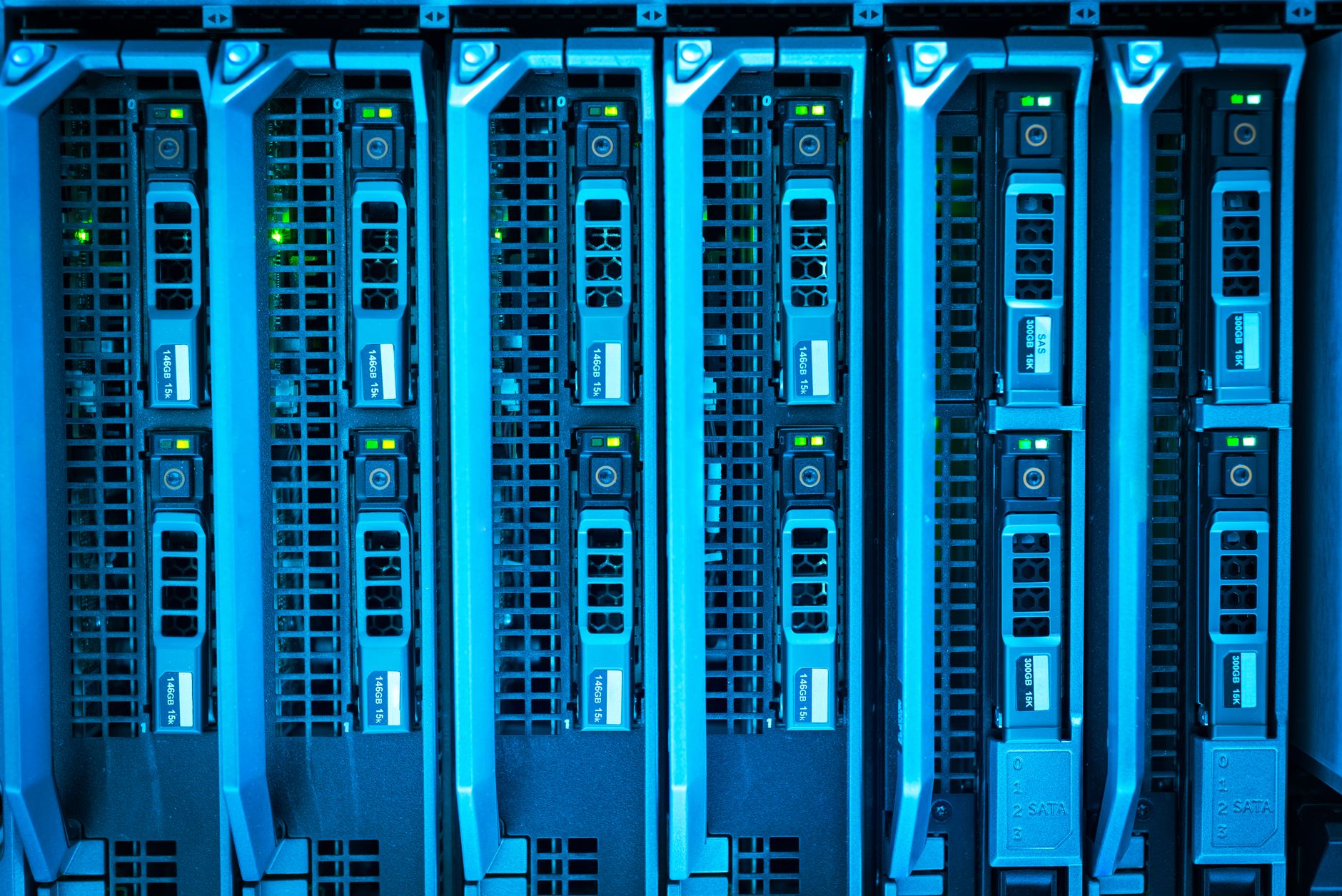
Israel’s technology credentials are not in question. The country has produced a disproportionate share of cybersecurity unicorns, AI research talent, and enterprise software exits over the past two decades. But the Calcalist analysis points to a structural mismatch: while the nation has the engineers capable of building frontier AI systems, it lacks the data center capacity those systems require to train and run at scale. Large language models and the infrastructure supporting them demand tens of thousands of GPUs running continuously, sustained by power loads that small, dense urban markets struggle to supply.
The numbers tell the story bluntly. Global hyperscaler investment in new data center capacity is running into the hundreds of billions of dollars annually, with Amazon, Microsoft, and Google each committing to massive build-outs across North America, Europe, and increasingly the Middle East. The UAE and Saudi Arabia have secured multi-billion-dollar infrastructure commitments. Israel, by contrast, has not attracted comparable hyperscaler construction, leaving local AI companies dependent on cloud capacity that is physically hosted — and economically controlled — elsewhere.
Why Infrastructure Is Now a Strategic Asset
The competitive stakes extend well beyond convenience or cost. When AI workloads run on infrastructure located in another jurisdiction, data sovereignty questions multiply, latency constraints bite into real-time applications, and the economic value of running those workloads — power contracts, construction jobs, tax revenue, and the ecosystem clustering effect — accrues somewhere else. For a country that has worked deliberately to build a self-sustaining high-tech economy, the absence of domestic compute capacity is a strategic vulnerability, not just a technical inconvenience.
The Calcalist report highlights that this is partly a land and energy problem — Israel is geographically small and power infrastructure is constrained — but also partly a policy and prioritization problem. Other small, high-income nations have moved aggressively to attract hyperscaler investment through regulatory incentives and infrastructure planning. Singapore and the Netherlands are the canonical examples: neither is large, but both made deliberate bets on data center density years ago and are now embedded in global AI supply chains as a result. The window to make that kind of bet is not permanently open. As dual-use technology markets increasingly converge on AI as a foundational layer, infrastructure positioning will determine who builds the tools and who buys them.
What Closing the Gap Would Require
Catching up is not impossible, but the Calcalist analysis suggests it would require coordinated action across government, utilities, and private investment that has not yet materialized. Expanding grid capacity, fast-tracking permitting for large-scale facilities, and creating targeted incentives for hyperscaler investment are the levers most frequently cited. The Gulf precedent is instructive — sovereign wealth funds have been willing to co-invest directly in infrastructure to accelerate the timeline, a model that bypasses the slower pace of purely private-market decision-making.
Local AI startups and investors are increasingly vocal about the constraint. Without accessible, affordable compute at scale inside the country, the path of least resistance for ambitious AI ventures is to incorporate and operate abroad — taking the talent, the equity appreciation, and the institutional knowledge with them. That is a familiar dynamic in many tech ecosystems, but it is particularly pointed for one that has spent years trying to keep its best companies from listing exclusively on foreign exchanges and anchoring their operations overseas. The infrastructure gap, left unaddressed, could quietly accelerate exactly that outcome.