
The global infrared imaging market is not quietly growing — it is accelerating. A new report titled “Infrared Imaging Market worth $12.79 billion by 2032” from MarketsandMarkets, covered by PR Newswire, puts the sector at $7.92 billion in 2025 and projects it will reach $12.79 billion by 2032 — a compound annual growth rate of 7.1 percent. That is not a niche vertical quietly compounding in the background. It is a technology stack that touches military targeting systems, factory automation, early-fire detection, and medical diagnostics all at once. The breadth of that demand is what makes this forecast worth paying attention to, especially as industrial automation continues to absorb sensor technologies at scale.
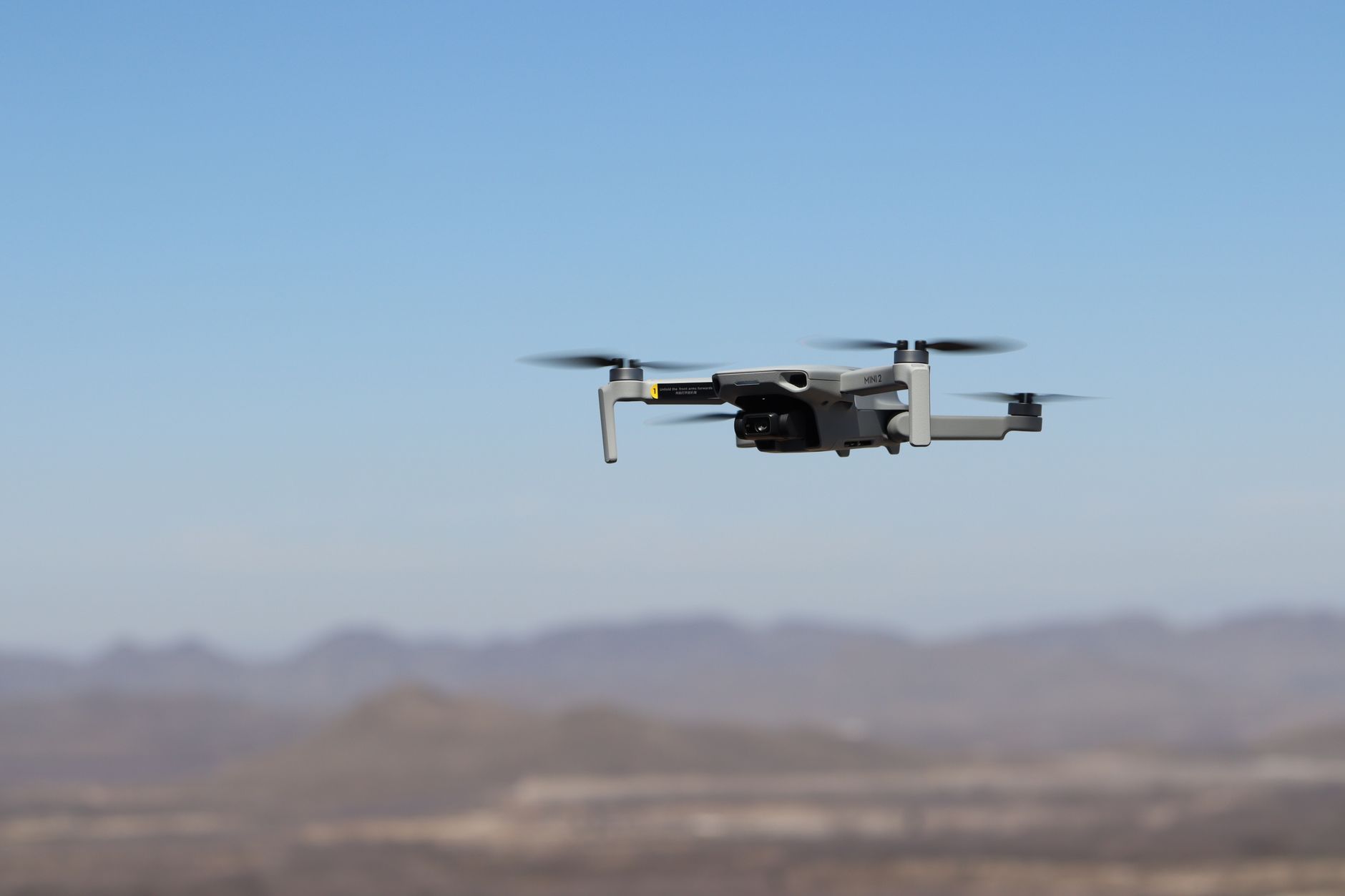
The technology itself is straightforward in principle but increasingly sophisticated in execution. Infrared imaging systems detect heat signatures across the electromagnetic spectrum, making them effective in complete darkness, smoke, or fog — conditions that defeat conventional optical cameras. The market encompasses a range of products: cooled detectors, which offer higher sensitivity for defense and scientific applications, and uncooled detectors, which are cheaper to manufacture and dominate commercial deployments. The uncooled segment is growing faster, according to the MarketsandMarkets data, largely because falling production costs are pulling infrared capability into markets that could not previously justify the price tag.
Defense Spending Sets the Floor, But Commercial Demand Is Raising the Ceiling
Military and defense applications have historically anchored infrared imaging revenue. Surveillance drones, targeting systems, perimeter security, and soldier-mounted optics all rely on thermal sensors, and global defense budgets remain elevated heading into the back half of the decade. The report identifies North America as the largest regional market, a finding that tracks with U.S. defense procurement trends and the dense concentration of domestic infrared manufacturers supplying government contracts.
But the more interesting growth story is commercial. Industrial inspection — scanning electrical infrastructure, pipelines, and building envelopes for heat anomalies — is a fast-expanding use case as asset operators look to prevent failures before they happen. Wildfire detection systems are another emerging driver, with infrared-equipped aerial platforms increasingly deployed to identify hotspots before a fire spreads. That intersection of climate risk and sensor technology is drawing both government procurement and private investment into the space at the same time.
Healthcare and Automotive Are Opening New Fronts
Two sectors that rarely appear in defense-adjacent market reports are contributing meaningfully here: healthcare and automotive. In healthcare, thermal cameras are used for fever screening, vascular imaging, and inflammatory condition monitoring — applications that saw accelerated adoption during the pandemic and have since become embedded in clinical workflows. The report flags healthcare as a segment with durable, non-cyclical demand, which gives the overall market a degree of insulation against defense budget swings.
In automotive, infrared imaging is a critical input for advanced driver-assistance systems and autonomous vehicle sensor suites. Unlike LiDAR or radar, thermal cameras can detect pedestrians and animals in low-visibility conditions with high reliability. As vehicle autonomy regulations tighten globally and consumer safety expectations rise, automakers are treating infrared sensors as a standard component rather than a premium add-on. That shift from optional to standard is a classic market-expansion mechanism — and it is happening across multiple vehicle categories simultaneously. The convergence of these demand streams makes the 7.1 percent CAGR projection look, if anything, conservative.
Asia-Pacific is flagged as the fastest-growing regional market in the MarketsandMarkets analysis, driven by defense modernization programs across the region and rapid industrial expansion in countries including China, India, and South Korea. For companies operating in the infrared imaging supply chain — sensor fabs, optical component makers, systems integrators — the geographic diversification of demand is as significant as the headline number. This is no longer a market that lives or dies on a single Pentagon budget cycle.