Thirty thousand driverless trucks on American highways by 2030. That number sounds like a venture-capital fever dream — until Aurora’s chief financial officer starts walking through the arithmetic. According to a TechCrunch report published September 28, Aurora’s CFO laid out the financial and operational logic behind that target, arguing that the scaling curve required to hit it is well within the company’s current trajectory. For an industry watching AI ambitions collide with real-world deployment friction at every turn, this is a claim worth taking seriously.
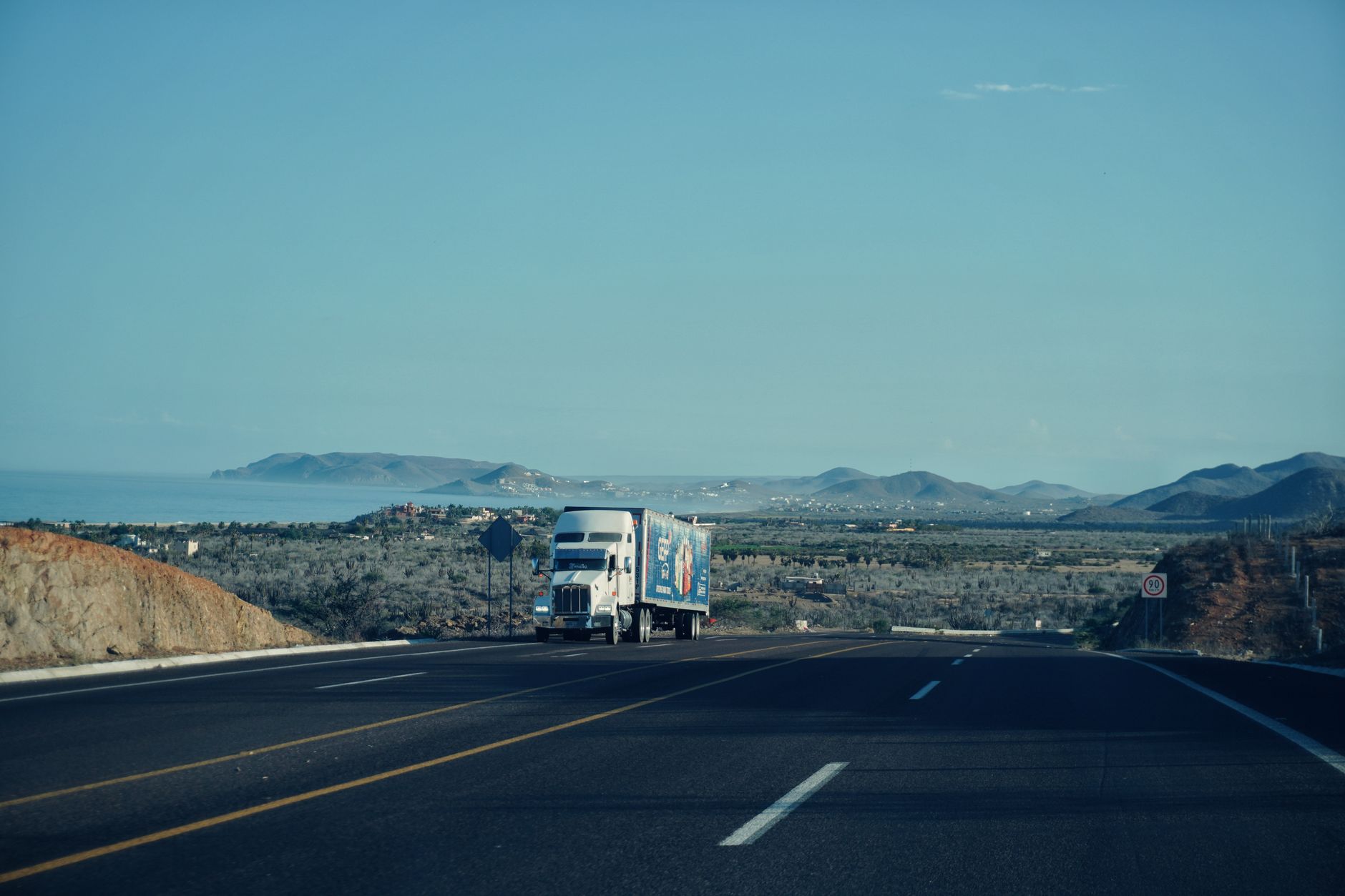
Aurora launched its commercial driverless trucking service in April 2025 on a Texas freight corridor between Dallas and Houston — a roughly 240-mile stretch that has become the company’s proving ground. The service runs without a safety driver in the cab, making Aurora one of the first companies to haul freight commercially with fully autonomous Class 8 trucks at scale. That foundation, the CFO argues, is what makes 30,000 units by 2030 a target rooted in execution rather than aspiration.
The Unit Economics Behind the Ambition
The core of Aurora’s argument is not technological — it’s financial. The CFO’s position, as reported by TechCrunch, is that the per-mile cost structure of autonomous trucking becomes increasingly compelling as fleet size grows. Human-driven long-haul trucking is plagued by chronic driver shortages, federally mandated hours-of-service limits, and turnover rates that routinely exceed 90 percent annually at large carriers. An autonomous truck does not call in sick, does not require a federally compliant rest break after 11 hours, and does not quit for a competitor offering two cents more per mile.
Aurora’s pitch to fleet operators and shippers is built around those structural advantages. The company has already signed commercial agreements with major carriers, and its Aurora Driver system is designed to be integrated across multiple truck makes and models, which matters enormously for scaling. You cannot hit 30,000 units if you are locked to a single hardware partner. The CFO’s argument is essentially that the manufacturing and integration pipeline needed to reach that number over roughly five years is aggressive but not unprecedented — particularly compared to the ramp rates seen in electric vehicle adoption among fleet operators.
Why the Timeline Will Be Tested
Skepticism is warranted, and Aurora knows it. The autonomous vehicle industry has a long record of timelines that slipped and promises that quietly shrank. Waymo has made extraordinary progress in robotaxi deployment but has moved deliberately, city by city. The trucking corridor model Aurora is using — fixed, well-mapped, high-frequency routes — sidesteps some of the complexity that has slowed urban passenger AV deployments, but it introduces its own pressures around regulatory approval in new states, insurance frameworks, and shipper confidence.
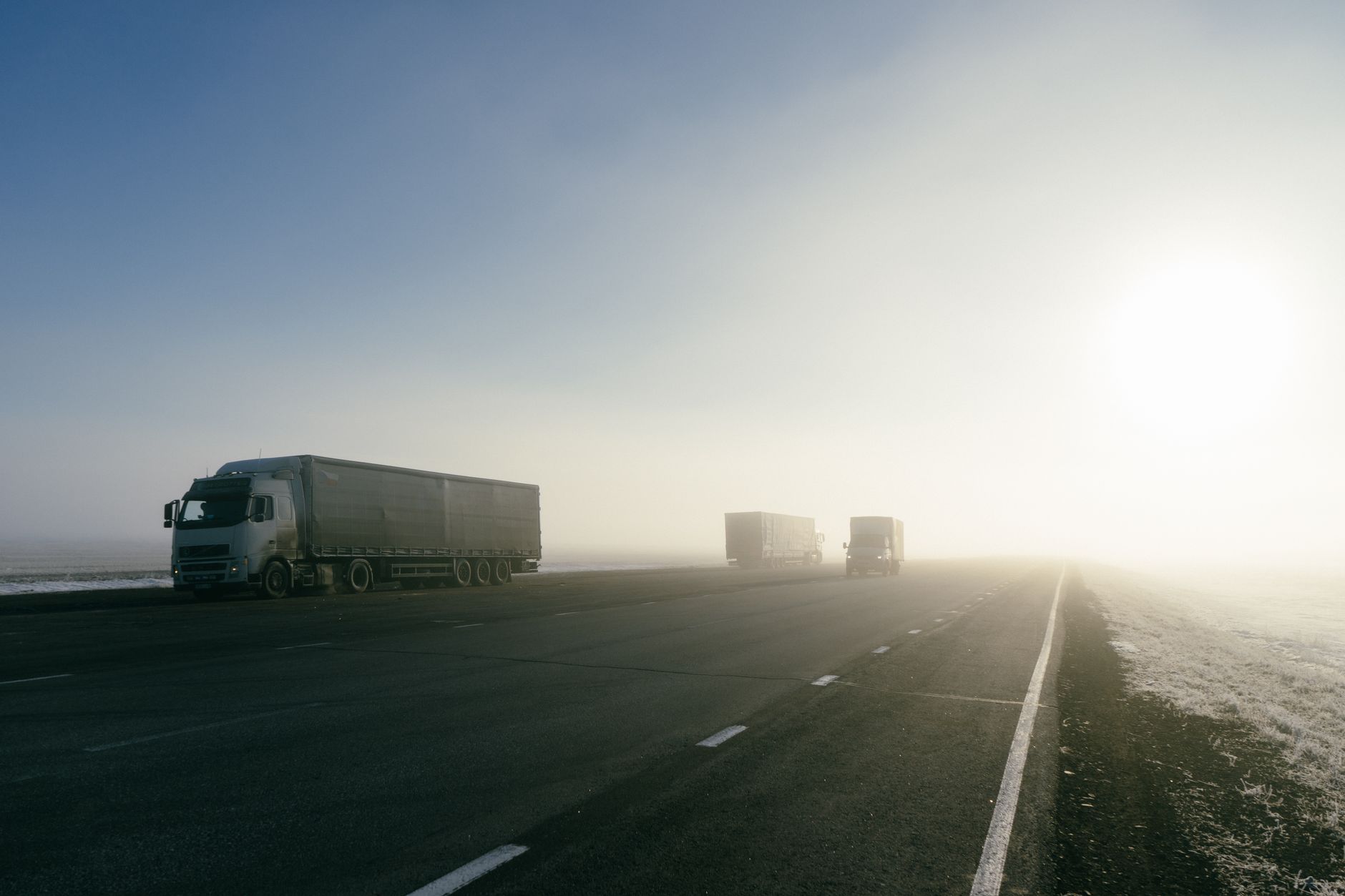
Regulatory momentum is a genuine variable. Aurora’s Texas operations benefit from a relatively permissive state framework, but replicating that across the Sun Belt and into the Midwest requires engagement with multiple state legislatures and, increasingly, federal agencies weighing in on autonomous commercial vehicle standards. The CFO’s 2030 case implicitly assumes that regulatory expansion keeps pace with operational readiness — a bet that is reasonable but not guaranteed. Investors watching the AI portfolio landscape will recognize this dynamic: the technology often moves faster than the governance structures built to contain it.
What Aurora has that many of its predecessors did not is a live commercial service generating real revenue and real operational data. Every mile the Aurora Driver logs without a human backup is a data point that makes the next regulatory conversation easier and the next shipper contract more plausible. Whether 30,000 trucks by 2030 turns out to be prescient or optimistic, the CFO’s argument lands with more weight than it would have two years ago — because Aurora is no longer just promising driverless freight. It’s delivering it.