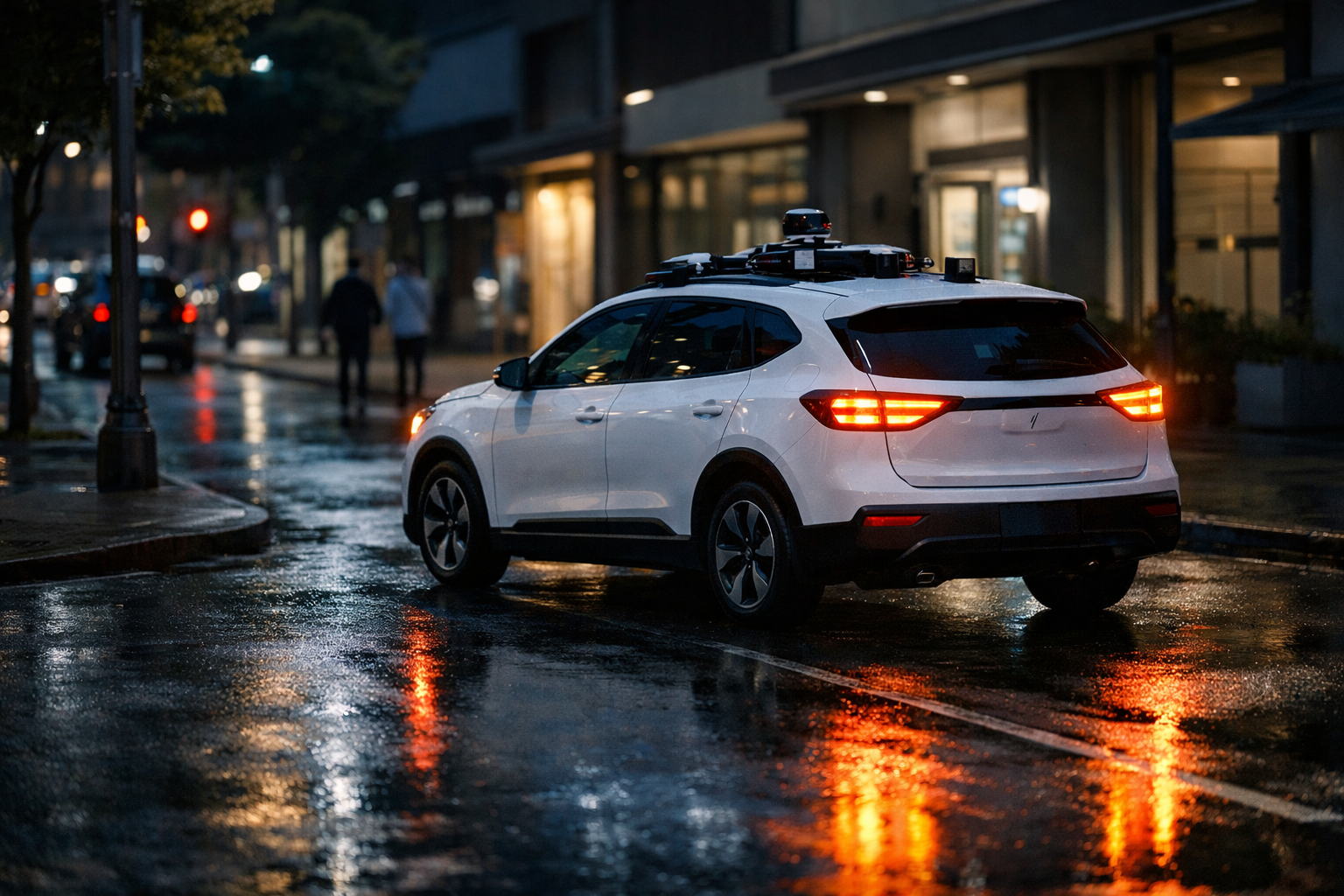
There was no driver to notice something was wrong. No human behind the wheel to make a judgment call. But when a Waymo robotaxi detected that a passenger was carrying what appeared to be a ghost gun, the vehicle did something no rideshare driver could do quite so cleanly: it pulled itself over and called the cops. The incident, reported by Verge, is one of the starkest real-world demonstrations yet of how autonomous vehicles are being designed to handle situations that go well beyond navigation.
Ghost guns — unserialized, privately manufactured firearms that are deliberately difficult to trace — have become a growing concern for law enforcement across the United States. Their presence in a fully driverless vehicle raises questions that the industry is only beginning to work through, from the legal liability of the operator to the ethics of automated surveillance inside a commercial ride. For those tracking how security technology is folding into everyday infrastructure, this is a signal moment.
How the Vehicle Handled It
According to The Verge’s reporting, the Waymo vehicle pulled over after the situation was flagged, and Waymo’s remote operations team contacted emergency services. Police responded to the scene. The passengers were ultimately cited — not for the weapon itself, but for an outstanding warrant, according to the report. The ghost gun was reportedly unloaded.
What makes this incident technically significant is the layered response it required. Waymo’s fleet operates with a network of sensors, cameras, and remote human monitors who can intervene when the onboard system flags an anomaly. The vehicle did not attempt to resolve the situation autonomously in the full sense — it handed off to human operators who then escalated to law enforcement. That hand-off chain, invisible to most riders on any given trip, suddenly became very visible.
What This Means for the Autonomous Ride Industry
Waymo has logged tens of millions of autonomous miles across its commercial fleet in cities including San Francisco, Los Angeles, and Phoenix. The company has positioned safety — both road safety and passenger safety — as its central differentiator against both human-driven rideshare and rival autonomous programs. But incidents like this one push that framing into genuinely new territory.
A human Uber or Lyft driver who spots a weapon faces a deeply personal risk calculation. A Waymo vehicle, by contrast, has no physical vulnerability — which may make it more willing, or more able, to take assertive action. That asymmetry is interesting from a safety standpoint, but it also raises civil liberties questions. Riders are already monitored by interior cameras. If that monitoring leads to police contact, the vehicle is functioning less like a taxi and more like a rolling surveillance node.
The broader autonomous vehicle sector will be watching how Waymo handles the public framing here. Competitors including Tesla, Zoox, and Cruise — the latter still recovering from its high-profile safety controversies in 2023 — are all developing their own protocols for in-cabin incidents. What Waymo does next, both in terms of policy transparency and rider communication, could shape industry norms for years. The robots are on the road. Now the question is what rules they enforce once you’re inside.