As preparations intensify for the 2026 FIFA World Cup—set to be jointly hosted by the United States, Canada, and Mexico—concerns are mounting over whether immigration systems can accommodate the anticipated surge of international visitors. In its article “The World Cup Is Coming. Can the US Handle the Visa Rush?”, Wired highlights growing unease among policymakers, travel experts, and advocates who warn that existing visa infrastructure, particularly in the United States, may struggle to meet demand.
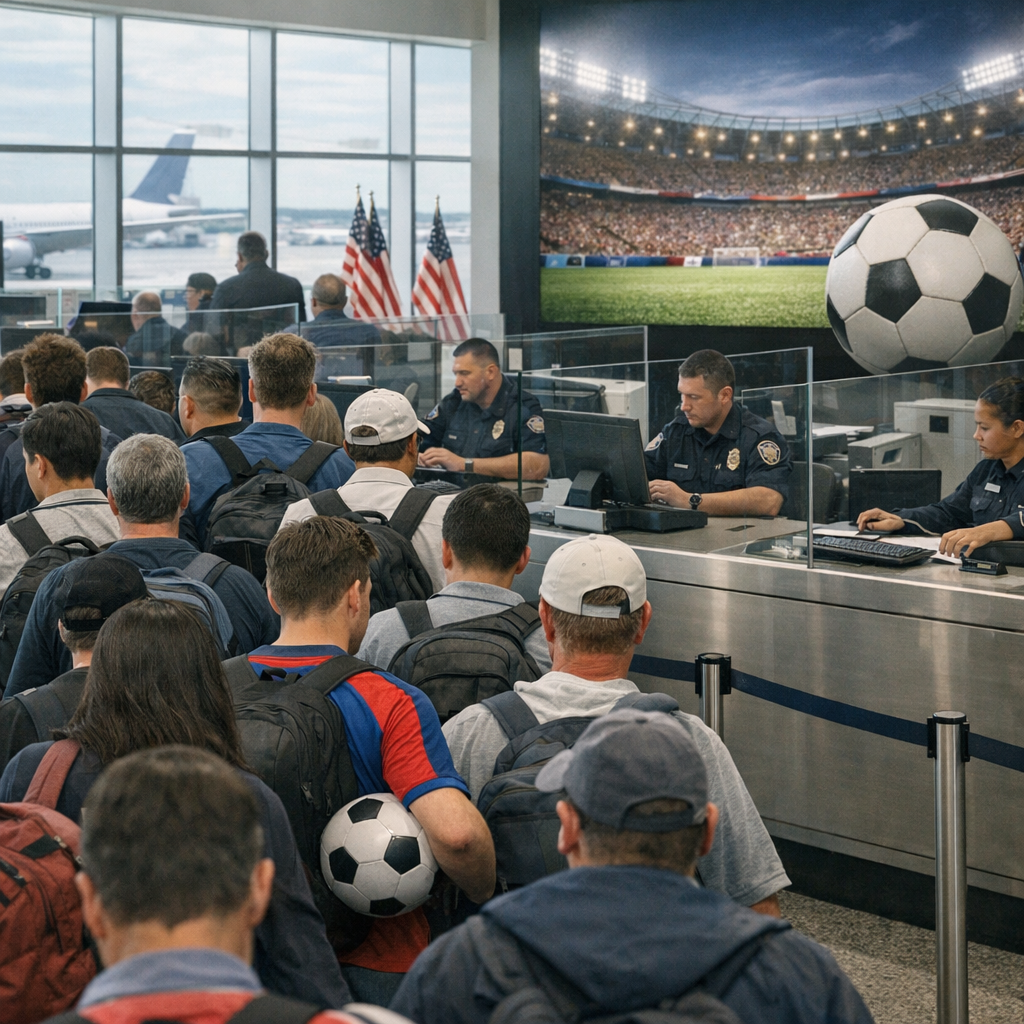
The tournament is expected to draw millions of spectators from across the globe, many of whom will require visas to enter host countries. While Canada and Mexico maintain comparatively streamlined or less restrictive entry processes for many nationalities, the United States presents a more complex picture. Lengthy visa appointment wait times, administrative backlogs, and stringent security procedures have raised doubts about whether fans will be able to secure entry in time for the event.
According to Wired’s reporting, wait times for US visitor visa interviews in some countries already stretch into months or even years. Although the US State Department has made efforts to reduce pandemic-era backlogs, demand remains high, and the system continues to face staffing and logistical constraints. The prospect of a sudden influx of World Cup-related applications risks exacerbating these pressures, potentially leaving fans, journalists, and even team personnel in bureaucratic limbo.
The issue extends beyond inconvenience. Tourism officials and business groups warn that barriers to entry could translate into lost economic opportunities. The United States is expected to host the majority of matches, including the final, and stands to benefit significantly from international travel spending. If fans are deterred by visa uncertainty or delays, some may opt to attend matches in Canada or Mexico instead, redistributing economic gains away from US host cities.
Security considerations further complicate efforts to streamline entry. US immigration policy has long balanced openness with strict vetting procedures, and any attempt to expedite visas for a high-profile global event must contend with those priorities. Wired notes that there is currently no dedicated visa category or fast-track process specifically designed for World Cup attendees, raising questions about how authorities will handle the anticipated demand without compromising existing standards.
Officials have acknowledged the challenge but offered limited detail on concrete solutions. Suggestions have included increasing consular staffing, expanding interview waivers for low-risk applicants, and improving coordination with event organizers. However, with the 2026 FIFA World Cup approaching, time is becoming a critical factor.
The tri-national nature of the 2026 World Cup introduces additional layers of complexity, as fans may seek to travel between the United States, Canada, and Mexico during the tournament. Differences in visa requirements and border procedures could create friction for travelers hoping to follow teams across host cities. Ensuring a seamless experience will likely require unprecedented coordination among the three governments, including agencies such as US Customs and Border Protection.
Wired’s analysis underscores a broader tension between large-scale global events and national immigration systems that are not always designed for sudden surges in short-term visitors. With the World Cup less than two years away, the effectiveness of policy adjustments and administrative reforms in the coming months will play a decisive role in shaping both the fan experience and the economic legacy of the tournament.