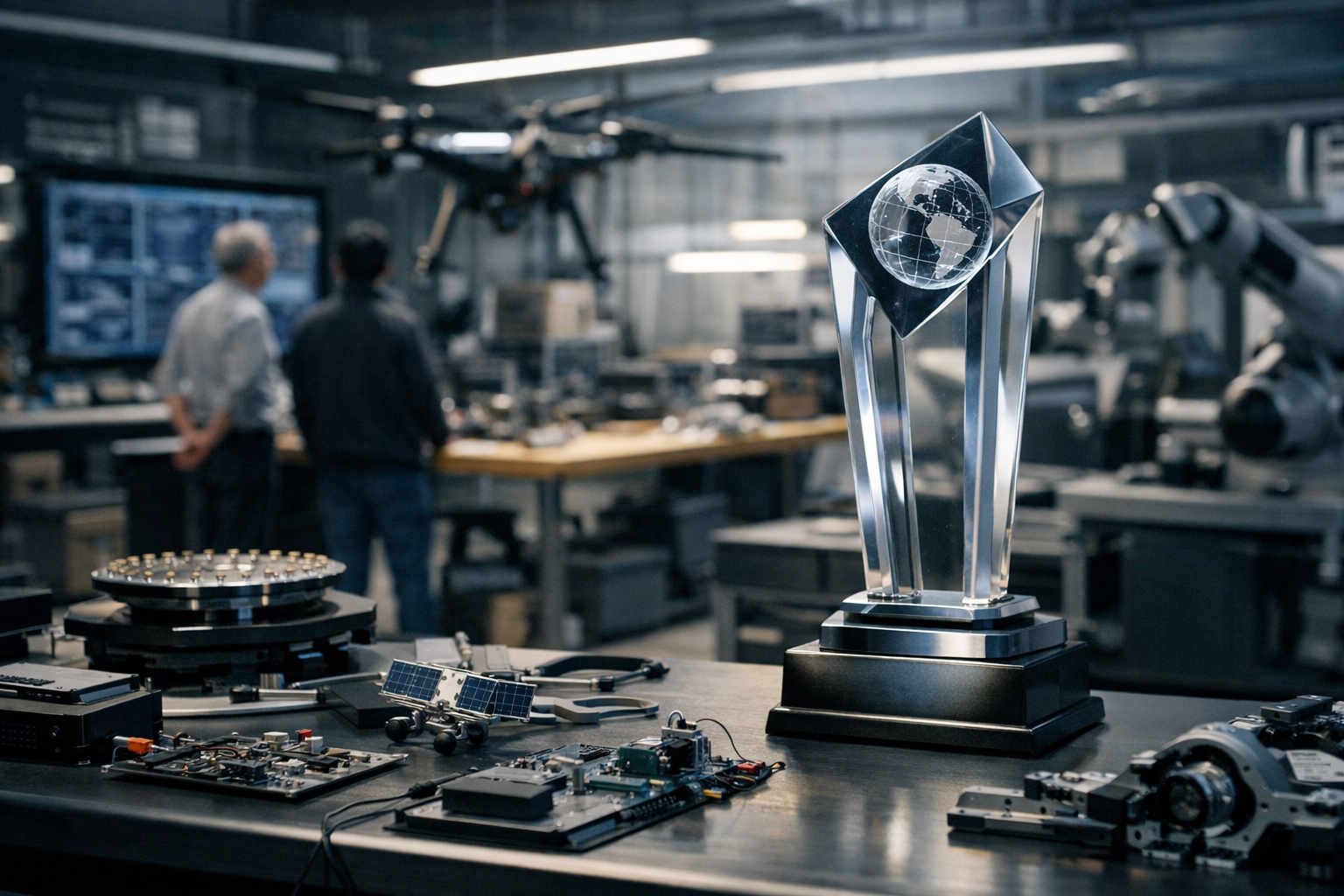
When K.J. Ray Liu stepped into the IEEE presidency in 2022, he inherited the world’s largest technical professional organization — more than 420,000 members across 160 countries — and left it with a clearer strategic direction and a new award to his name. According to IEEE Spectrum, Liu has been honored for his leadership and contributions during his tenure, a recognition that underscores how seriously the engineering community takes the organizational stewardship of its flagship institution. For readers tracking how professional bodies shape the future of technology governance, this is the kind of signal worth watching — much like debates over AI measurement standards that are reshaping how the industry defines progress.
Liu, a Distinguished University Professor at the University of Maryland, built his reputation on signal processing and wireless communications long before taking the IEEE’s top seat. His academic and research credentials gave him standing not just as an administrator but as a practitioner who understood the technical stakes of the organization’s work. That dual identity — engineer and executive — defined how he approached the presidency.
What Liu Actually Built During His Term
Liu’s presidency was defined by a push to make IEEE more globally inclusive and more responsive to the accelerating pace of technology change. He championed initiatives aimed at expanding IEEE’s reach in emerging economies and strengthening the pipeline of young engineers entering the organization’s ecosystem. These weren’t cosmetic priorities — IEEE’s influence over standards-setting in areas from wireless protocols to power grid specifications means that who participates in its processes has downstream consequences for entire industries.
He also focused on the organization’s role in addressing major societal challenges, pushing IEEE to engage more directly with questions around ethical technology development and the social implications of engineering decisions. In an era when AI governance and cybersecurity policy are spilling out of technical journals and into legislative chambers worldwide, that positioning was deliberate and forward-looking.
Why Recognizing Technical Leadership Still Matters
The honor Liu received isn’t just a career capstone — it reflects a broader truth about how the technology sector organizes itself. IEEE doesn’t just publish papers and host conferences. It sets the standards that define how devices communicate, how power systems are certified, and how engineers are credentialed globally. The person leading that organization shapes which conversations get prioritized and which voices get amplified.
Liu’s recognition also arrives at a moment when professional engineering societies face real pressure to stay relevant. The pace of development in machine learning, robotics, and energy systems is outrunning traditional publication and standards cycles. His term represented an attempt to close that gap — to make a 140-year-old institution feel current without abandoning the rigor that gives its imprimatur meaning. Whether IEEE fully succeeds at that modernization project will depend on what his successors choose to prioritize, but Liu leaves the organization with more momentum than he found it with. That’s a harder thing to award than any medal, and arguably more important.