

Building a massive AI cluster is no longer just a hardware procurement problem — it is increasingly a networking and systems integration challenge. DriveNets, the Israeli network software company, and AMD have jointly published a reference architecture designed to solve exactly that, detailing how operators can scale AI infrastructure to tens of thousands of GPUs without the bottlenecks that plague conventional data center designs. For anyone tracking the defense-tech AI sector, this is a significant pivot toward commercial infrastructure at hyperscale.
According to Calcalist Tech, the joint blueprint centers on DriveNets’ Network Cloud architecture combined with AMD’s Instinct GPU accelerators, creating a disaggregated fabric that treats compute and networking as independently scalable layers rather than a tightly coupled stack. The practical implication is that operators can expand GPU capacity without ripping out and replacing spine-and-leaf switching infrastructure — a cost and complexity problem that has frustrated hyperscalers and cloud builders for years.
What the Architecture Actually Does
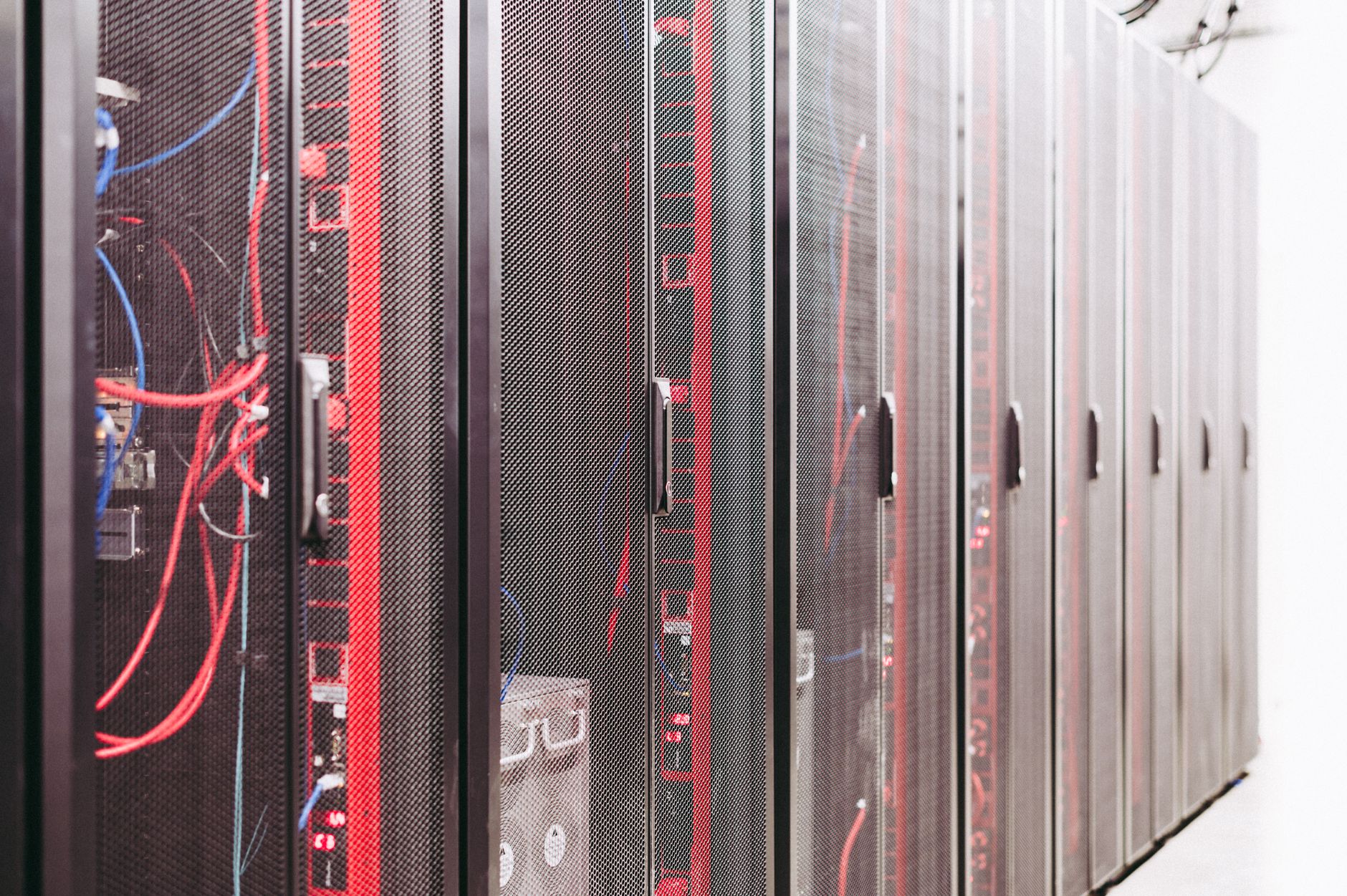
The reference design uses DriveNets’ Distributed Disaggregated Chassis, or DDC, which virtualizes a large distributed switching fabric into a single logical device. When paired with AMD Instinct accelerators — the same GPU line AMD has been positioning against Nvidia’s H100 and B200 series — the architecture enables non-blocking, high-bandwidth east-west traffic between GPU nodes, which is the critical data path for distributed AI training workloads. Latency and bandwidth symmetry across nodes directly determines how efficiently a model can be parallelized across thousands of accelerators.
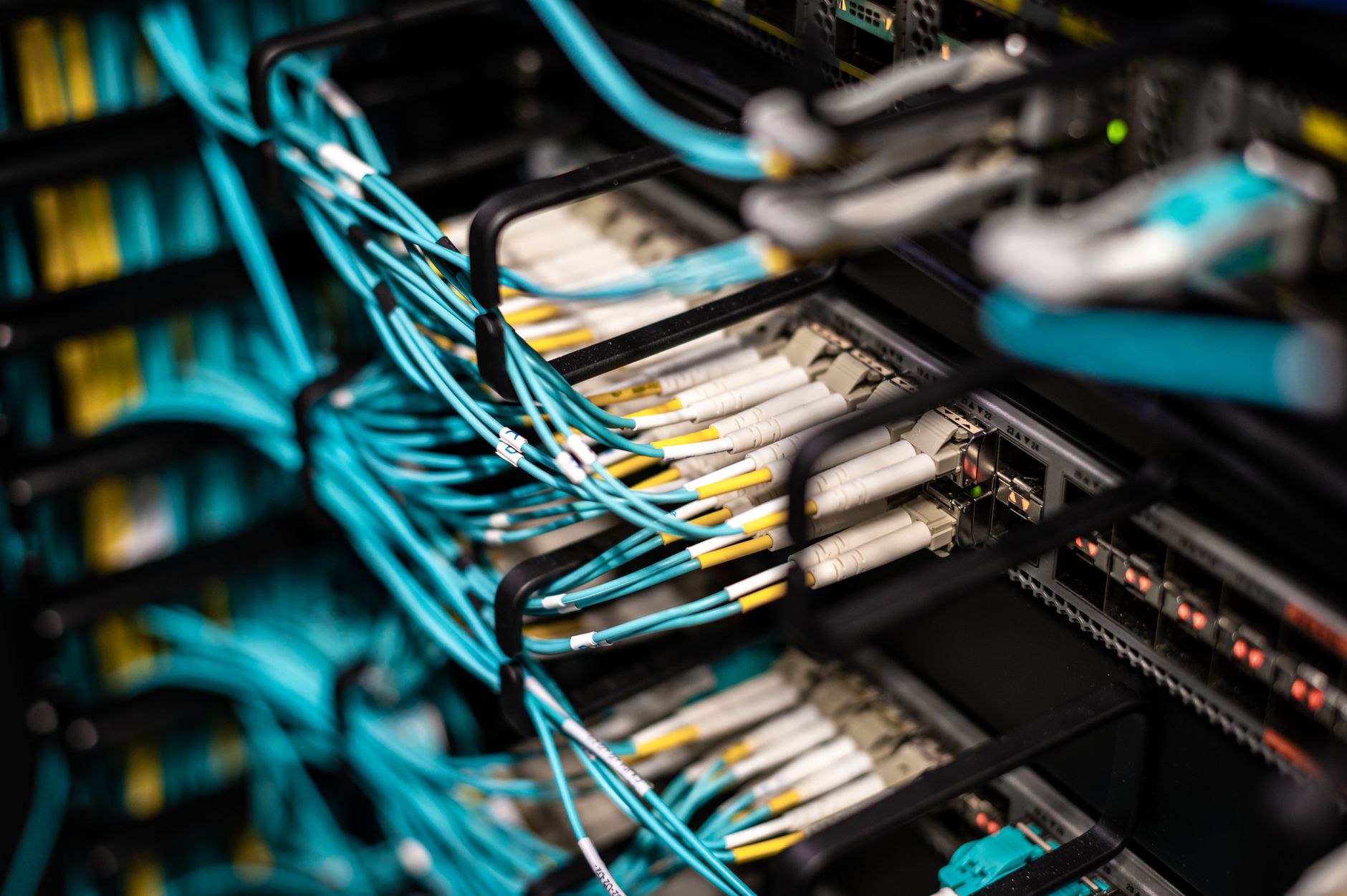
The blueprint also addresses a structural inefficiency in how most large clusters are built today. Traditional AI fabrics tend to rely on fixed-function network ASICs that are co-designed with specific compute hardware, locking operators into a single vendor’s roadmap. DriveNets’ software-defined approach runs on merchant silicon, which in this case works alongside AMD’s compute stack to give buyers more flexibility in procurement and upgrade cycles. That modularity argument has already won DriveNets significant traction with Tier 1 carriers, and the company is now explicitly targeting AI infrastructure operators with the same pitch.
Why This Partnership Shifts the Competitive Picture
The timing of the announcement matters. Nvidia’s dominance in AI infrastructure has been built not just on GPU performance but on its end-to-end NVLink and InfiniBand networking stack, which ties compute and interconnect together in ways that are difficult to replicate piecemeal. AMD has competitive silicon — its MI300X accelerator has drawn genuine enterprise interest — but it has lacked a comparably integrated networking story at scale. The DriveNets partnership is a direct attempt to close that gap by pairing AMD’s accelerators with a proven, carrier-grade distributed fabric.
For DriveNets, the deal extends its addressable market well beyond telecom. The company has spent years proving that software-defined networking can replace purpose-built hardware in carrier cores; now it is making the case that the same architectural principles apply to AI factory construction. That is a considerably larger and faster-growing opportunity, particularly as enterprises and sovereign cloud operators race to build training and inference infrastructure outside of the major hyperscaler clouds. Questions about how to evaluate AI system performance at this scale are also drawing new attention — something Future Wire has explored in the context of AI agent benchmarks — and reference architectures like this one will likely become the baseline against which real-world deployments are measured.
The reference architecture is available now for operators and system integrators evaluating large-scale GPU cluster designs. Whether it translates into significant AMD Instinct deployments will depend on how convincingly the two companies can demonstrate end-to-end performance at the cluster sizes — think 32,000 GPUs and beyond — where Nvidia’s integrated stack currently has its strongest grip.

3 thoughts on “DriveNets and AMD Lay Out a Scalable Architecture for the Next Generation of AI Factories”