

The line between software startup and defense contractor has never been blurrier. A Calcalist Tech report this week catalogued a surge of product launches, funding rounds, and export agreements across Israel’s defense-technology ecosystem — a sector that has spent the past two years processing lessons from active combat into marketable systems. The throughline is speed: companies are moving from field observation to deployable product faster than traditional defense procurement cycles ever allowed.
The activity spans domains — naval defense, autonomous targeting, electronic warfare, and AI-assisted command systems — and it arrives at a moment when allied nations are urgently rebuilding military stockpiles. That urgency is driving deal flow that would have taken a decade to materialize in a pre-2022 procurement environment. For context on how quickly AI is moving from lab benchmarks into operational environments, Future Wire’s earlier look at AI agent benchmarks underscores just how compressed the evaluation timelines have become.
Iron Dome Goes to Sea — and So Does the Export Pitch
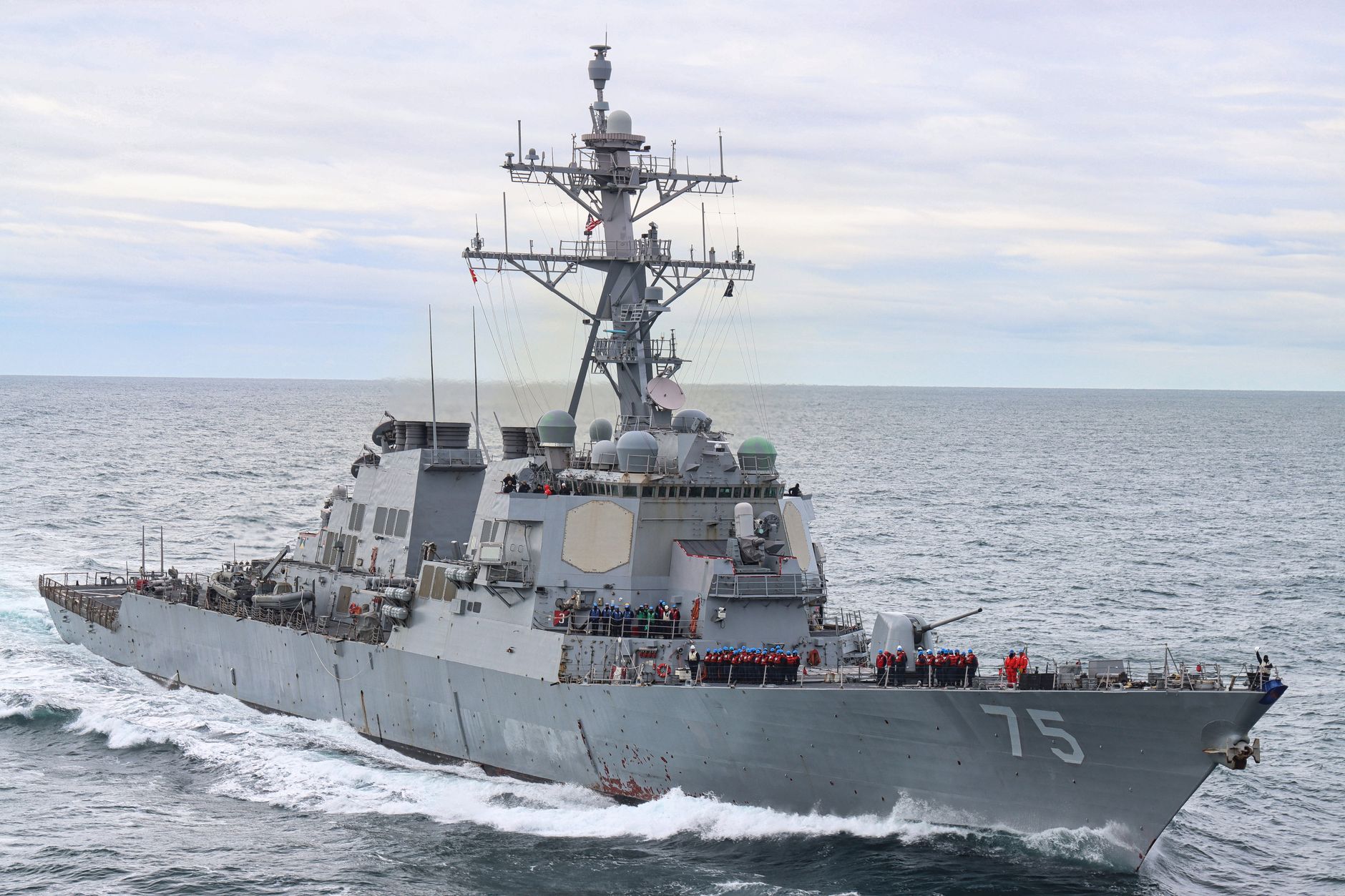
One of the headline developments is a maritime adaptation of Israel’s Iron Dome interceptor system, designed to protect naval vessels from drone swarms and anti-ship missiles. The sea-based configuration addresses a gap that the Ukraine conflict made impossible to ignore: surface fleets are now acutely vulnerable to low-cost, high-volume aerial threats, and the intercept doctrine developed over land-based deployments translates directly to shipboard architecture. The system joins a growing family of layered naval defense products coming to market from Israeli developers.
The timing connects directly to a broader European rearmament wave. Greece’s recent $4 billion commitment to Sling Barak MX systems illustrated how quickly Southern European NATO members are moving to close air and missile defense gaps — and naval coverage is the logical next layer of that spending. Manufacturers with proven intercept track records and existing NATO-compatible integration experience hold a significant first-mover advantage in that market.
AI Moves From Decision Support to Decision-Making
Beyond hardware, the Calcalist Tech report highlights a cluster of AI-driven systems designed to compress targeting and threat-assessment cycles. These platforms ingest sensor feeds across radar, electro-optical, and signals-intelligence channels and surface prioritized threat queues to operators — reducing the cognitive load on human analysts during high-tempo engagements. Several companies are describing their products not as automation replacements for commanders but as triage layers that let smaller teams manage larger battlespaces without degrading response time.
The commercial architecture underneath these systems is notably lean. Many of the startups involved are running inference workloads on edge hardware deployed close to the sensor, rather than routing data back to centralized cloud infrastructure — a design requirement driven by contested electromagnetic environments where connectivity cannot be assumed. That edge-first approach also makes the systems easier to export, since they carry fewer dependency requirements on allied nations’ existing network infrastructure.
Funding and the Export Pipeline
On the venture side, the report points to continued private capital flowing into the sector despite a broader slowdown in deep-tech fundraising. Defense technology has carved out an exception to the tighter funding climate, with dual-use positioning — products that serve both military and commercial security customers — helping companies access a wider investor base. Several of the companies named are at Series B or later, suggesting the market has moved past the early-stage proof-of-concept phase and into scale-up execution.
Export licensing and international partnership agreements are increasingly central to the growth story. The companies profiled are not simply selling finished hardware; they are entering co-development arrangements with allied defense ministries, embedding their software stacks into locally manufactured platforms. That model distributes political risk, accelerates regulatory approval, and creates recurring revenue from software updates and training services — a subscription dynamic that looks far more like enterprise SaaS than traditional defense contracting. The battlefield, in other words, has become a very efficient product lab.


One thought on “Naval Interception, AI Targeting, and a Flood of Defense Deals: How Combat Experience Is Reshaping a Tech Sector”