A growing body of research suggests that the afterlife of electric vehicle batteries may be more economically and environmentally valuable than previously assumed, challenging long-held assumptions about recycling priorities and energy storage markets. According to the article “Spent EV batteries could find new life at higher value” published by TechXplore, researchers are finding that repurposing used batteries for secondary applications can, in some cases, deliver greater returns than immediate material recovery.
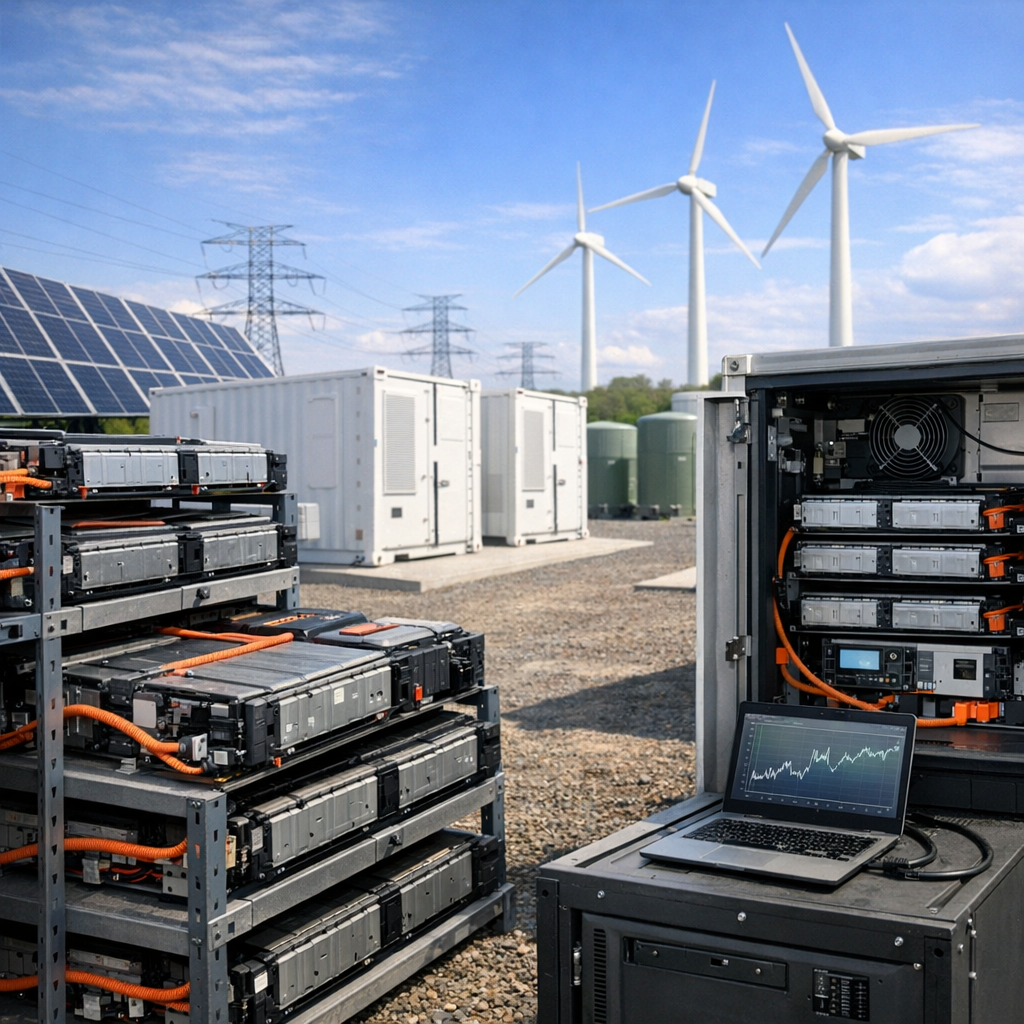
Electric vehicle batteries typically degrade to around 70–80 percent of their original capacity before they are retired from automotive use. While no longer optimal for powering vehicles, these batteries often retain sufficient performance for less demanding applications, such as stationary energy storage, a trend also highlighted by the International Energy Agency’s Global EV Outlook. The TechXplore report highlights how this residual capability is drawing increased attention from both industry and policymakers, particularly as demand for energy storage systems rises alongside renewable energy deployment.
Traditionally, end-of-life battery strategies have focused on recycling to recover valuable materials like lithium, cobalt, and nickel, as discussed by organizations such as the U.S. Geological Survey. However, the research cited in the article indicates that extending battery life through reuse could yield stronger economic outcomes under certain conditions. By delaying recycling and extracting additional utility from the same materials, companies may improve overall lifecycle efficiency while reducing the environmental footprint associated with mining and processing new resources, a benefit also noted in research published by Nature Sustainability.
The findings also underscore the importance of developing robust systems for testing, sorting, and certifying used batteries. Not all retired batteries are suitable for second-life applications, and the variability in performance presents technical and logistical challenges. The article notes that advances in diagnostic technologies and standardization—areas being explored by groups like the National Renewable Energy Laboratory—could help address these issues, making it easier to match batteries with appropriate secondary uses.
Policy frameworks will likely play a critical role in shaping how the market evolves. Incentives for reuse, alongside regulations governing safety and performance, could influence whether companies prioritize second-life applications over immediate recycling. At the same time, declining costs for new batteries and improvements in recycling technologies may shift the balance over time.
As the global transition to electric mobility accelerates, the volume of retired batteries is expected to grow significantly in the coming years. The analysis presented in TechXplore’s report suggests that decisions made now about reuse and recycling could have lasting implications for both the economics of clean energy systems and the sustainability of battery supply chains.