
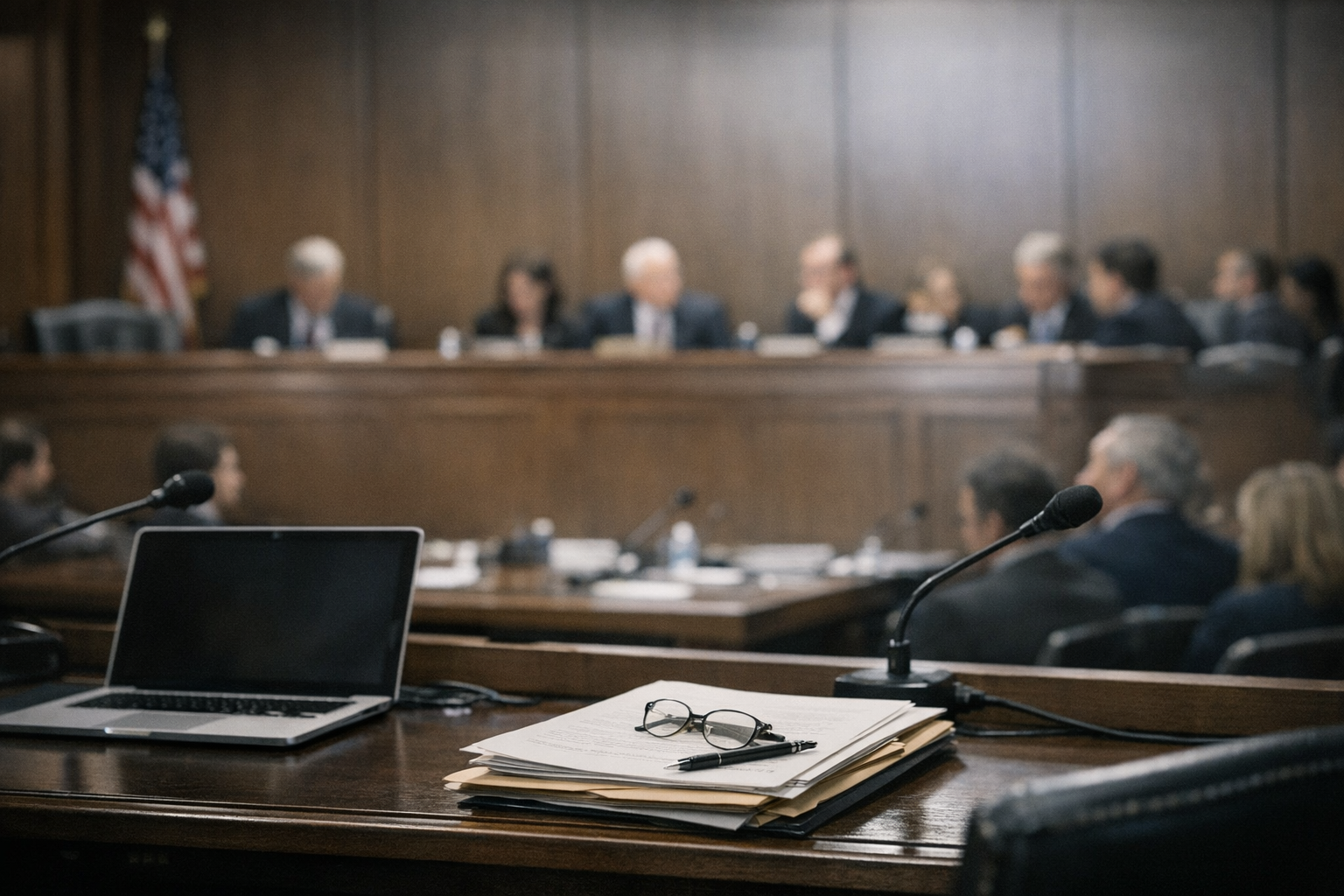
It was supposed to be a routine personnel decision. Instead, the forced departure of a senior diabetes researcher from a key federal health post is looking less routine by the day — and more like a case study in how scientific leadership gets dismantled when politics and public health collide.
According to Ars Technica’s investigation, new details have surfaced around the removal of a prominent figure overseeing diabetes research programs at a major U.S. health agency, with internal accounts suggesting the ouster was driven not by performance concerns but by ideological friction with the current administration’s priorities.

A Departure That Doesn’t Add Up
Sources familiar with the situation described a sudden loss of institutional leadership in a division responsible for coordinating research that affects more than 38 million Americans living with diabetes. The researcher in question had overseen programs tied to prevention, clinical trials coordination, and long-term outcome tracking — work that takes years to build and can collapse quickly without stable direction.
What makes this removal particularly alarming, according to the Ars Technica report, is the sequence of events. By internal accounts, the departure came without the standard transition planning or documentation protocols that federal scientific offices typically follow when leadership changes hands. That kind of institutional gap doesn’t just create bureaucratic friction — it can stall ongoing trials, disrupt grant pipelines, and scatter teams that took years to assemble.
The Broader Pattern of Scientific Disruption
This isn’t a one-off. The ouster fits a wider pattern that health policy watchers have flagged throughout 2025 and into 2026, in which research administrators whose work intersects with contested public health priorities have found themselves sidelined or pushed out. Diabetes care — including programs tied to nutrition guidelines, pharmaceutical access, and preventive intervention — has become increasingly politicized terrain.

What’s particularly troubling is that the diabetes research division doesn’t exist in isolation. Its work feeds into national health statistics, informs Medicare and Medicaid coverage decisions, and underpins federal recommendations that reach into every hospital system in the country. Pulling the leadership thread on an operation like that mid-cycle isn’t a clean administrative move — it’s a seismic disruption dressed up as a personnel change.
The episode raises questions that go well beyond one researcher’s job. Who fills the vacuum? Who decides which research priorities survive the transition and which quietly disappear? And critically, what happens to the clinical programs already in flight when the person holding them together is abruptly shown the door? As Future Wire has covered extensively, the intersection of AI and diagnostics is creating new tools to compensate for gaps in research infrastructure — see our coverage of AI-powered diagnostics making inroads in clinical settings — but no algorithm replaces institutional knowledge lost overnight.
What Comes Next — and What’s Already Lost
Officials at the agency have not provided a detailed public explanation for the leadership change, and no formal successor has been publicly named as of the time of the Ars Technica report. That silence is itself a data point. Transitions at this level, in agencies with this much research in motion, usually come with announcements, rationale, and continuity plans. The absence of all three is not an oversight.
Advocacy groups representing the diabetes community are pushing for congressional oversight, arguing that disrupting research leadership in this space carries real human cost — delayed findings, interrupted trials, and a chilling effect on the scientists who remain. Whether Capitol Hill has the appetite to dig in remains an open question, but the pressure is building. The deeper story here isn’t just about one ouster. It’s about what kind of scientific independence federal health agencies can actually count on. On that front, government tech policy remains one of the most consequential — and least scrutinized — battlegrounds in American public life.
One thought on “Inside the Political Takedown of America’s Top Diabetes Research Office”