
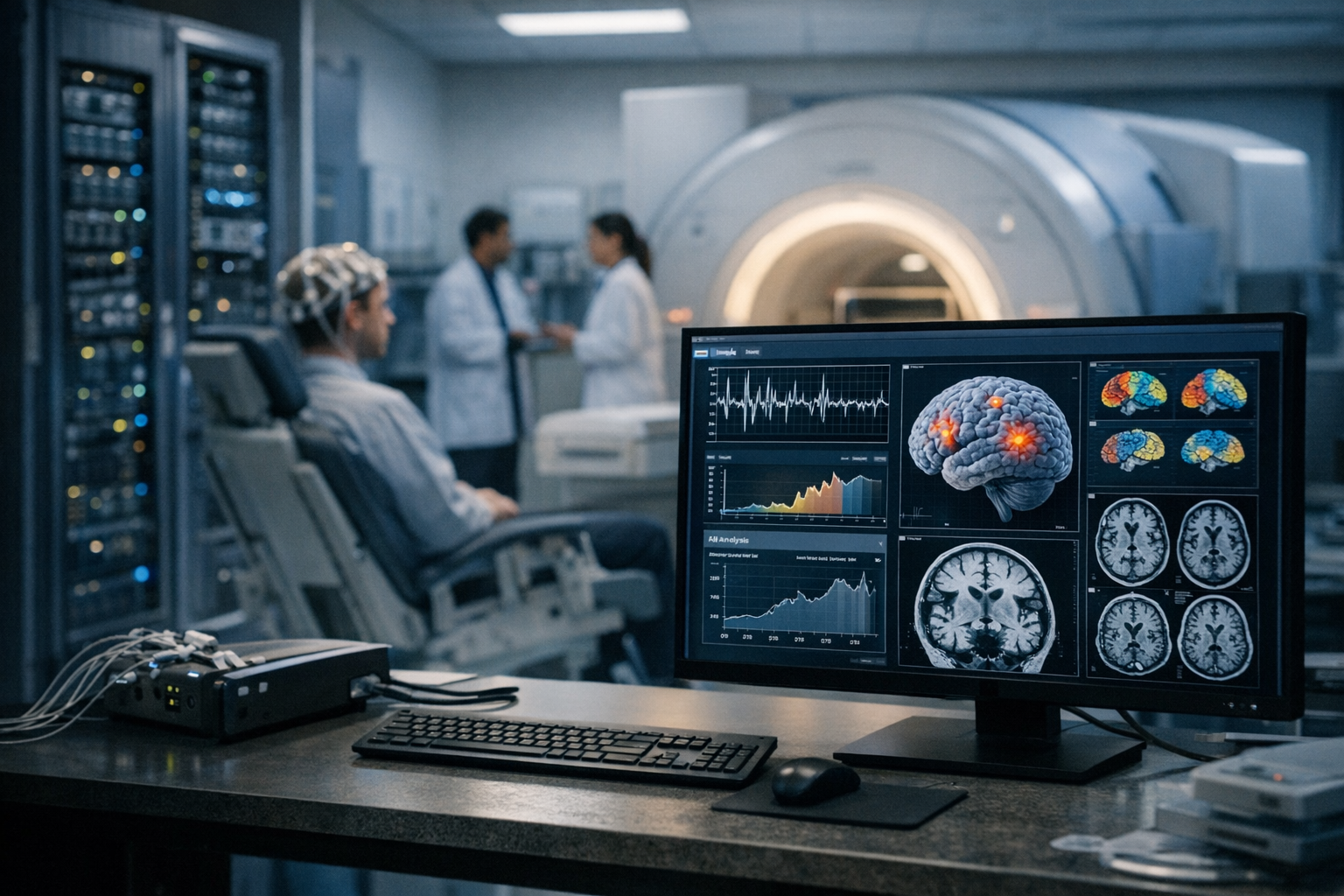
Diagnosing neurological conditions accurately and early is one of medicine’s most stubborn unsolved problems. Hemispheric, an Israeli neuroAI company, just raised $52 million in a funding round that signals investors believe artificial intelligence can finally crack it, according to a Globes report on the deal.
The company has built a diagnostic platform designed to analyze brain imaging and related data using machine learning, with the goal of giving clinicians faster, more reliable reads on conditions that have historically been difficult to detect, stage, or differentiate. The $52 million raise will be used to push the platform toward broader clinical adoption and expand the company’s commercial footprint.
What Hemispheric’s Platform Actually Does
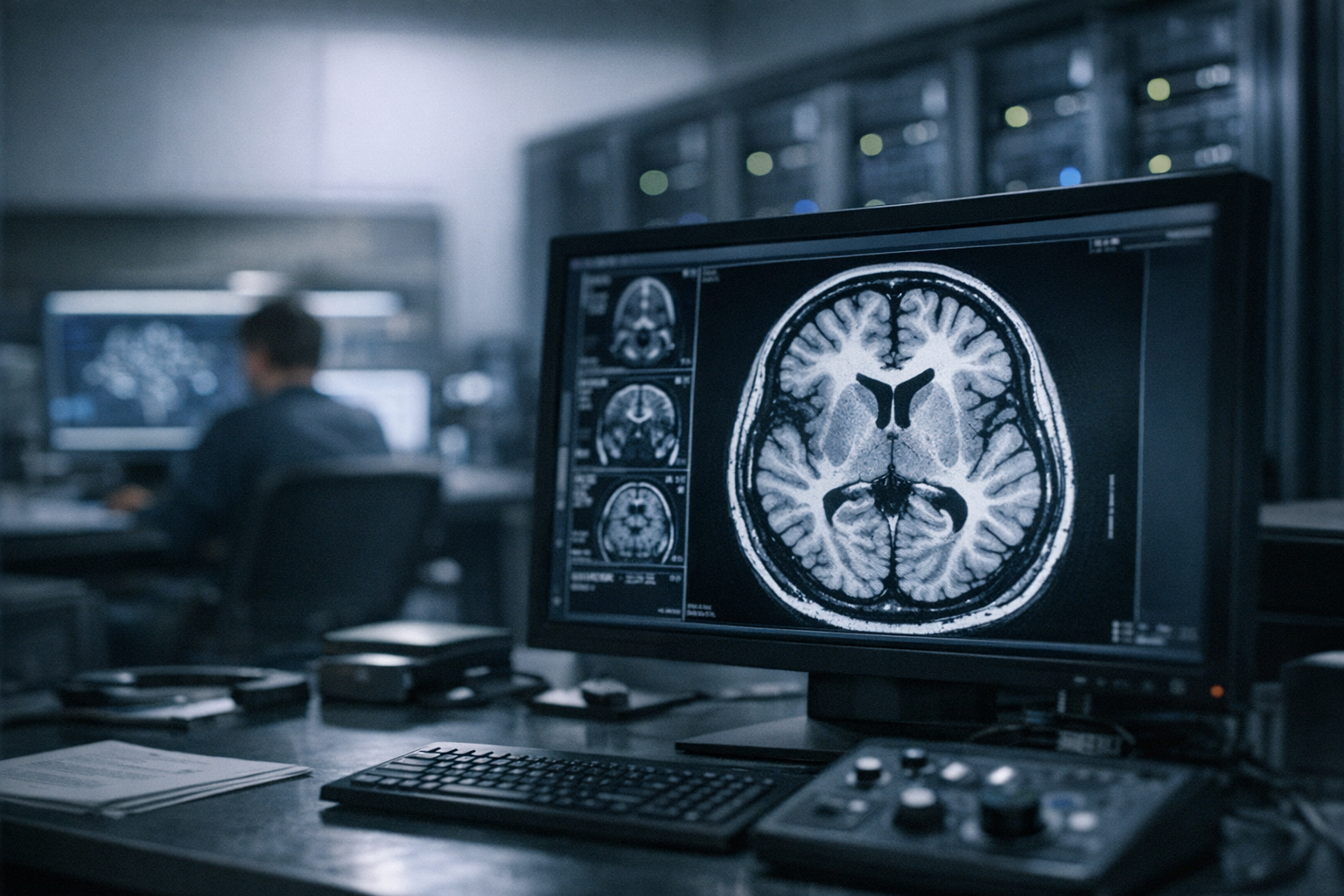
Neurological diagnosis is notoriously resource-intensive. Radiologists and neurologists spend hours parsing imaging data, and variability in interpretation remains a real clinical risk. Hemispheric’s AI is built to work on top of that workflow, flagging patterns in brain scans that human readers might miss or deprioritize — particularly in conditions where early-stage markers are subtle and dispersed across large imaging datasets.
The company’s approach positions it in a competitive but high-value segment of medical AI. Unlike generalist diagnostic tools, Hemispheric is focused specifically on the brain, which means its training data and model architecture can be optimized for the particular complexity of neurological imaging rather than spread thin across organ systems. That specialization is increasingly where clinical AI companies are finding traction with hospital systems and regulators alike.
Why $52 Million at This Moment
The raise arrives at a moment when AI diagnostics is graduating from proof-of-concept to procurement conversation. Hospital networks and health systems are actively evaluating clinical AI vendors, and companies that can demonstrate validated accuracy on real patient populations — not just benchmark datasets — are moving to the front of the line. Hemispheric’s funding gives it the runway to run the clinical studies, build out its sales infrastructure, and pursue the regulatory clearances that separate a promising tool from a deployable product.
The deal also fits neatly into a broader funding story. As we covered in our look at tech startup fundraising, the pace of capital deployment into deep-tech and AI ventures has accelerated sharply, with health AI drawing a meaningful share of that attention from both strategic investors and growth-stage funds. A $52 million round for a company at Hemispheric’s stage reflects genuine institutional confidence in the category, not just speculative enthusiasm.
The competitive landscape is real. Companies like Viz.ai, Aidoc, and Radiobotics are all chasing different corners of the clinical imaging AI market. But neurology as a subspecialty has remained underserved relative to cardiology or oncology, in part because the data complexity is higher and the regulatory path is harder. That’s precisely why a well-funded, focused player has room to build a defensible position. Hemispheric is betting its specialization is worth more than horizontal breadth — and $52 million worth of investors appear to agree.
As AI moves deeper into clinical decision-making, the companies that can pair model performance with the trust of physicians and regulators will define the next generation of healthcare infrastructure. Hemispheric is now capitalized to make that case at scale. For more on how machine learning is reshaping high-stakes industries, see our recent coverage of custom implant engineering at the intersection of technology and medicine.
One thought on “Hemispheric Lands $52 Million to Bring AI-Powered Brain Diagnostics to the Clinic”