Forty billion dollars. That is the number investors are reportedly putting on Etched, the AI chip startup that has built its entire identity around a single, audacious bet: that the transformer architecture will define AI computing for a generation, and that hardwiring silicon specifically for transformers will crush general-purpose GPU performance at inference workloads. According to a TechCrunch report, the company is actively fielding funding offers at a valuation exceeding $40 billion, citing sources familiar with the discussions. That figure would make Etched one of the most valuable private semiconductor companies on the planet, and it arrives at a moment when the AI infrastructure race is producing valuations that would have seemed fictional just three years ago. For context on how aggressively capital is chasing specialized AI bets right now, Israeli tech funding alone hit $2.5 billion in a single month this year.
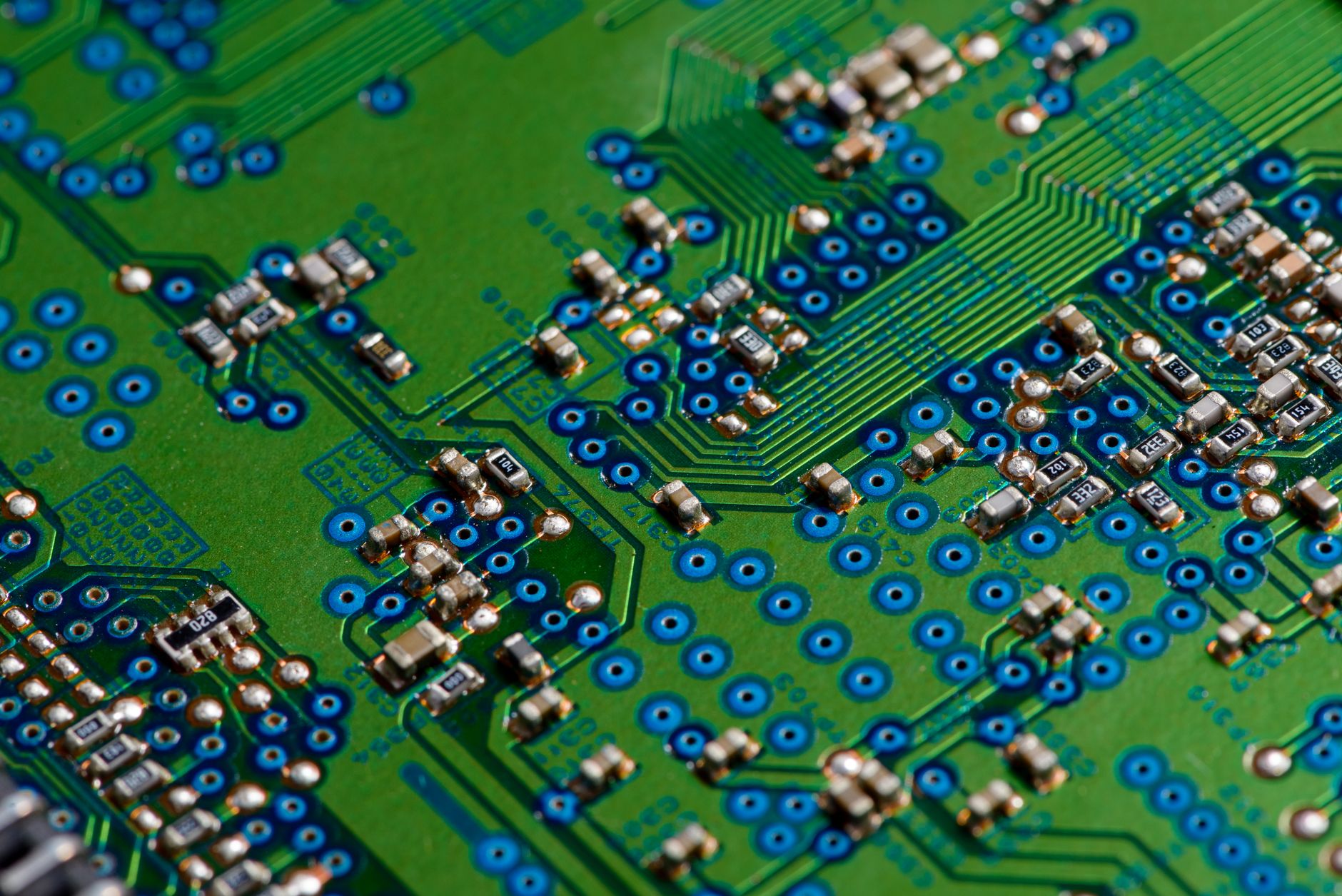
Etched’s core product is Sohu, its transformer-specific ASIC. The company has claimed that Sohu can run inference on large language models dramatically faster than Nvidia’s H100 GPU — in some benchmarks, the chip purportedly delivers over 500,000 tokens per second on models like LLaMA, a figure that dwarfs what conventional accelerators produce at comparable power envelopes. The thesis is straightforward but technically demanding: by stripping out the programmability that makes GPUs versatile and replacing it with logic fused permanently to transformer operations, you get a chip that is extraordinarily fast and efficient at exactly one class of workload. The risk, of course, is that if transformer architectures fall out of favor, the chip becomes a very expensive paperweight.
Why a $40 Billion Number Is Both Shocking and Logical
Etched was founded in 2022 by Gavin Uberti and Chris Zhu, two former Harvard students who dropped out to pursue the company. The startup raised a $120 million Series A round in mid-2024, which at the time was already a signal that top-tier investors believed the transformer-chip thesis had legs. A jump to a $40 billion-plus valuation represents an extraordinary compression of the timeline between early-stage credibility and unicorn-tier pricing — it vaults the company into territory typically reserved for companies with substantial revenue, not hardware startups still scaling production. But the market logic is not hard to follow. Nvidia’s data center GPU business generated tens of billions in revenue in fiscal 2025 alone, and any credible challenger to that dominance commands a massive speculative premium.
The funding discussions also reflect a broader structural shift in how venture capital and sovereign wealth funds are approaching AI infrastructure. The bottleneck for frontier AI development has visibly moved from model research to raw compute, and inference — running models at scale for end users — is where the operational costs are exploding. A chip that can slash inference costs by a meaningful factor is not a nice-to-have for major AI deployments; it is a potential competitive moat. That calculus is almost certainly driving the appetite for Etched at numbers that would be hard to justify on revenue multiples alone.
The Risk Underneath the Hype
The key tension in the Etched story is the same one that has historically punished application-specific chip companies: architectural lock-in. Transformers are dominant today — they underpin GPT-4, Gemini, Claude, and nearly every frontier model currently in deployment. But AI research moves at a pace that makes five-year hardware roadmaps feel like fantasy. Mixture-of-experts models, state-space models like Mamba, and other alternatives are actively being developed and in some cases deployed, and none of them fit neatly into a chip engineered exclusively for transformers. Etched has acknowledged this risk publicly and argued that transformer dominance is durable enough to justify the bet, but it remains the central question any investor writing a check at $40 billion has to sit with.
The company is also navigating the brutal realities of semiconductor manufacturing. Custom ASICs require significant lead time with foundry partners, typically TSMC for advanced nodes, and demand forecasting for a chip that has not yet achieved widespread commercial deployment is genuinely difficult. Getting the silicon right, getting it produced at scale, and getting it into data centers before a competitor — including Nvidia, which is not standing still — is a sequencing challenge that no amount of funding fully neutralizes. What a $40 billion-plus round does is buy runway, credibility with hyperscaler procurement teams, and the engineering talent needed to make the roadmap real. Whether that is enough to reshape the AI chip market is the multi-decade question now attached to a very large price tag. Debates like this one sit at the center of broader conversations the industry is having about AI infrastructure trust and where the real competitive leverage in the AI stack ultimately lives.