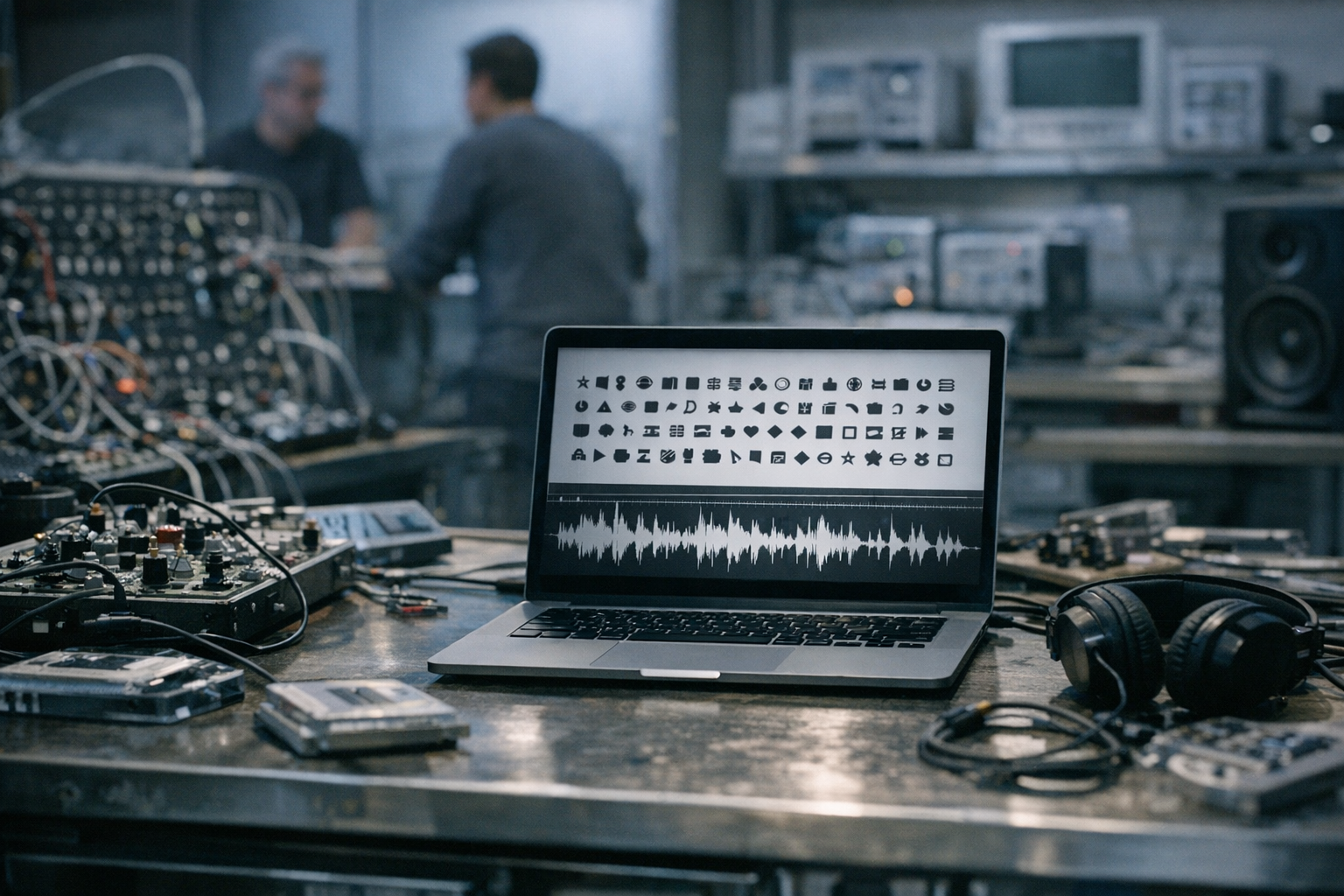
Most artists title their albums in words. Kieran Hebden, the British producer better known as Four Tet, decided to title his latest release entirely in Wingdings — the decades-old dingbat font that turns every keystroke into a symbol no human can instinctively read. The result is a project whose name is, for all practical purposes, unprintable, unspeakable, and unsearchable. It is also, according to The Verge’s review, one of the more compelling electronic music releases to arrive as a genuine surprise drop in recent memory.
The Verge, which covered the release in a full album review, describes the project as an “incredible side project” — language that carries weight given how prolific and critically regarded Hebden already is. Rather than a polished major-label rollout, this feels like a personal experiment made public: a willfully obscure artifact from one of electronic music’s most restless minds.
The Wingdings Aesthetic Is Not a Gimmick — It’s the Point
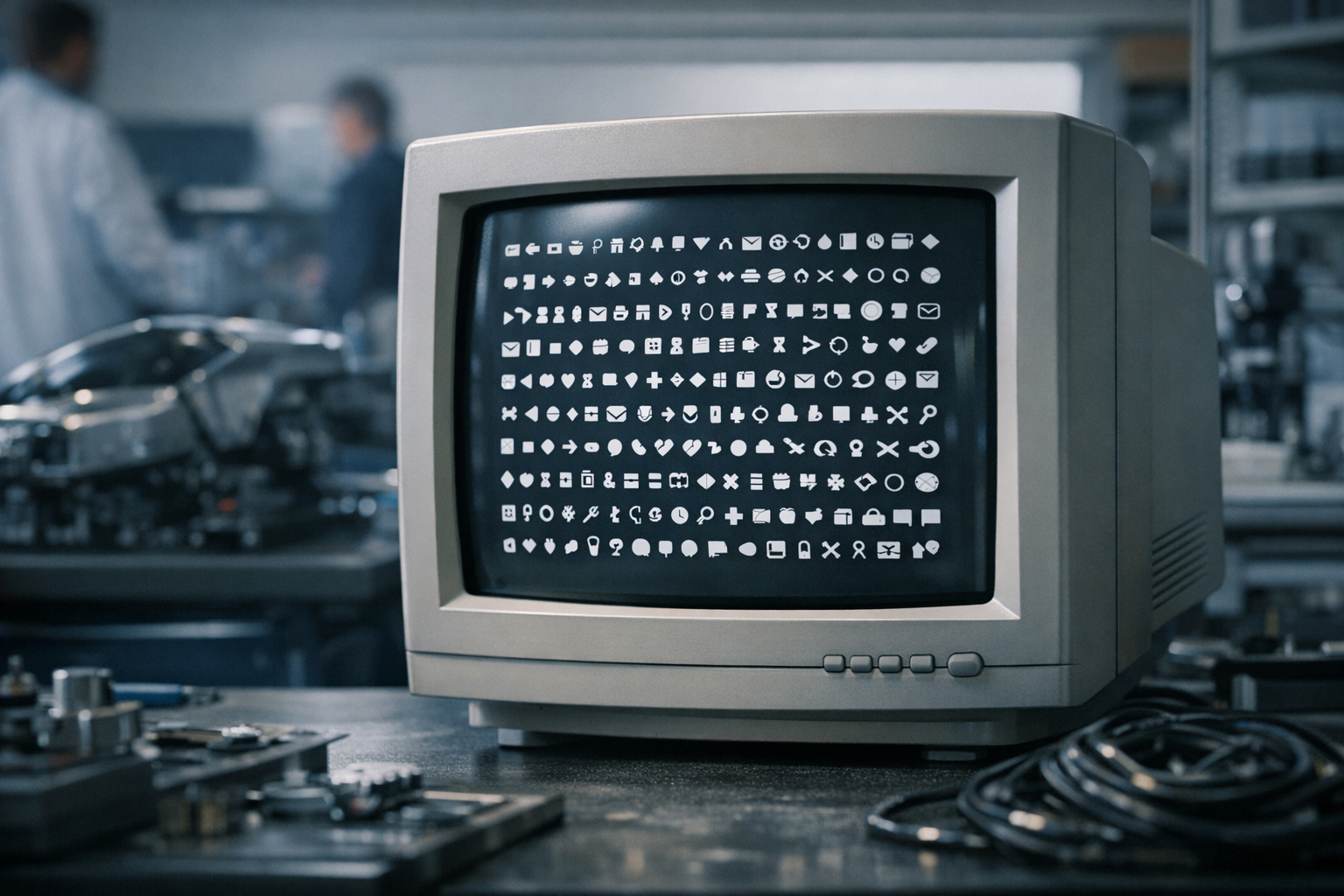
Using Wingdings as a titling system is a deliberate act of communication refusal. The font, which Microsoft first bundled into Windows 3.1 in 1992, converts standard keyboard characters into pictographic symbols — arrows, hands, stars, geometric shapes — that form no readable language. Hebden’s choice to deploy it as album nomenclature means streaming platforms, music databases, and casual listeners all hit the same wall: you cannot Google your way into familiarity with this record before you hear it.
That friction is thematically consistent with how Hebden has operated throughout his career. Four Tet has always resisted easy categorization, moving between house, folk-inflected electronica, ambient, and club music across more than two decades of releases. The Wingdings project, as described by The Verge, extends that logic into the metadata itself. The packaging is the message: approach this without preconceptions, or don’t approach it at all.
Why a Side Project From Four Tet Still Commands Attention
Hebden’s standing in electronic music means even an intentionally low-key release lands with real force. He has released music on his own Text Records label, collaborated with artists ranging from Burial to Ravi Shankar’s daughter Anoushka Shankar, and built a reputation as a producer who treats every project — main career or otherwise — with full creative investment. A “side project” from Four Tet is not filler. It is, as The Verge frames it, an extension of an ongoing and serious artistic practice.
The review positions the record not as an outlier but as evidence that Hebden remains one of the most adventurous operators working in electronic music today. In an era when algorithmic recommendation systems reward familiarity and searchability, releasing an album whose title actively defeats those systems is its own kind of statement — equal parts aesthetic choice and quiet provocation aimed at how music discovery actually works in 2025. For anyone tracking how creative technologists are pushing back against platform logic, this sits in interesting company alongside the broader conversation about AI’s expanding role in culture. Future Wire has been following how machine intelligence is reshaping creative industries, including our earlier coverage of Apple’s AI ambitions and what they mean for how humans interact with technology at scale.
Whether the Wingdings album finds the wide audience it might deserve under a more conventional rollout is almost beside the point. Hebden built the obstacle deliberately. The listeners who clear it will find something worth the effort — and that, The Verge suggests, is more than enough. It is also a reminder that some of the most interesting experiments in creative technology still begin with a single person in a room, making something strange on purpose. Those curious about how individual technologists and artists are shaping cultural and political narratives in 2025 might also find resonance in our reporting on AI influence operations and the broader question of who controls the signals we receive.