Autonomous farm robots are inching closer to mainstream agriculture, and a fresh wave of EU funding is accelerating the timeline. Nanovel, an agtech startup developing AI-driven harvesting robots, has been awarded a €2.5 million grant from the European Union to advance its autonomous picking technology for soft fruits and vegetables, according to a Calcalist report. The win marks a significant validation milestone for a company betting that labor shortages and rising farm-operating costs will make robotic harvesting not just viable, but necessary.
The grant comes at a moment when agtech is drawing serious institutional attention across Europe. Investors and governments alike are pouring capital into automation as the agricultural sector faces a structural deficit of seasonal workers. For Nanovel, the EU funding is more than runway — it’s a stamp of technical credibility that opens doors to pilot programs with European growers. The trend mirrors what Future Wire has tracked in other deep-tech verticals, where Israeli tech institutions are increasingly landing globally significant contracts and funding partnerships.
What the Technology Actually Does
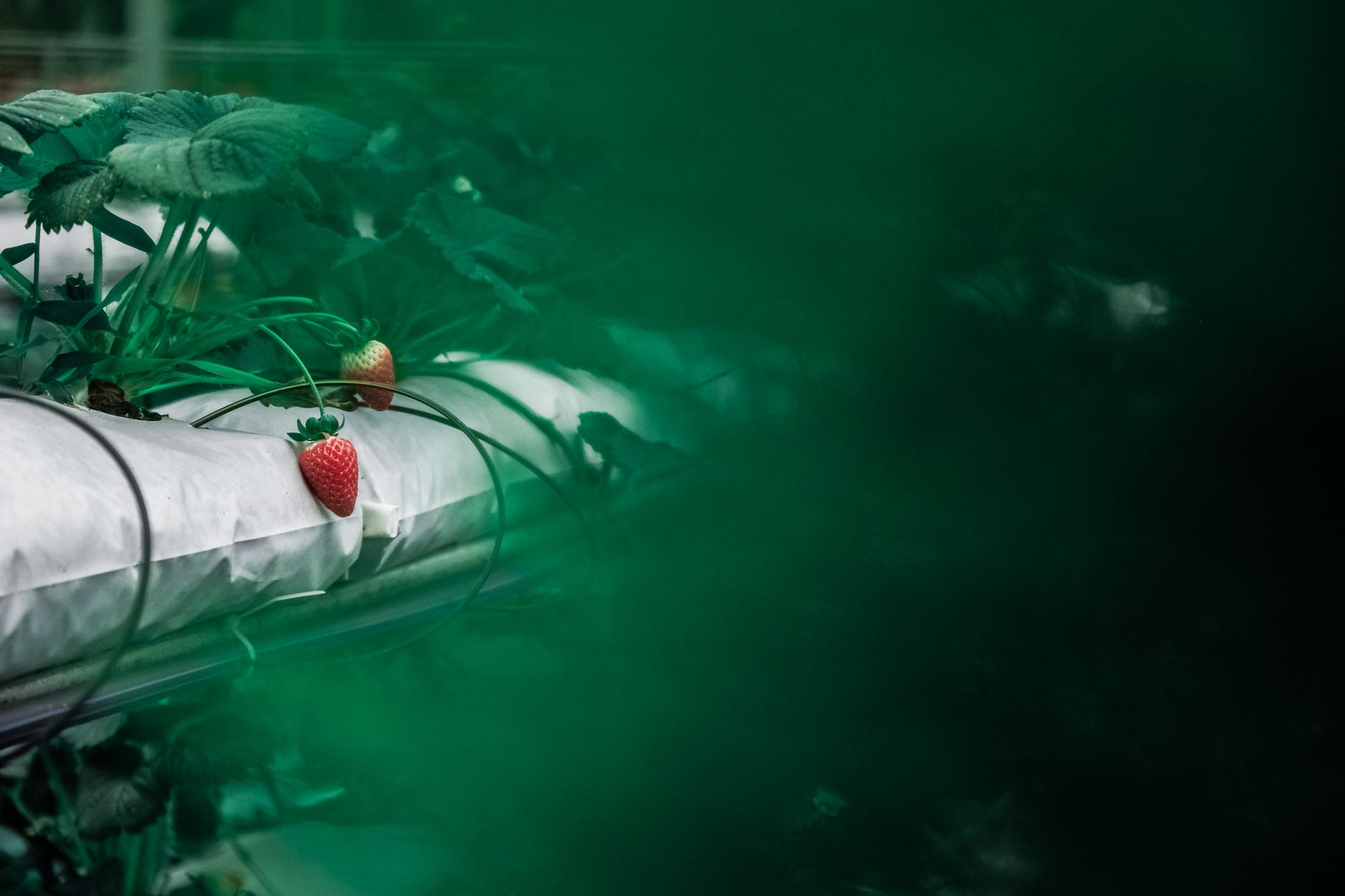
Nanovel’s system centers on a robotic platform equipped with computer vision and machine learning models trained to identify ripe produce, calculate the optimal picking angle, and execute a grab without bruising delicate fruit. That last detail — grip precision on soft crops like strawberries, tomatoes, and peppers — is precisely where most harvesting robotics projects have historically stumbled. The company’s approach involves real-time inference at the edge, meaning the robot’s onboard AI processes visual data without relying on cloud connectivity, which is critical for working in fields with limited network coverage.
The €2.5 million grant will fund further development and field deployment, allowing Nanovel to scale its trials with actual farm operators under real harvest conditions. Commercial-scale testing across different crops and climates is the next proving ground, and EU-backed pilots typically come with access to a network of agricultural partners — a distribution advantage that pure venture funding alone rarely delivers. The company has not yet publicly disclosed its target picking speed or error-rate benchmarks, but those metrics will be the deciding factor when growers compare Nanovel’s robots against rival systems entering the market from the United States and the Netherlands.
The Bigger Race in Farm Automation
Nanovel is entering a competitive sprint. Established players like Octinion, AppHarvest’s spinoff technologies, and a clutch of well-funded American startups are all chasing the same prize: replacing the estimated hundreds of thousands of seasonal pickers who work European farms each summer, a workforce that has become increasingly unreliable and expensive. The EU has made agricultural automation a policy priority under its Farm to Fork strategy, making grant programs like the one Nanovel just won a recurring feature of the funding landscape rather than a one-off windfall.
What gives startups like Nanovel a structural edge is the ability to iterate quickly on software while competitors with heavier hardware roadmaps move slowly. AI model updates can be pushed to deployed robots overnight; a new mechanical arm cannot. That software-first mentality — common among deep-tech founders from ecosystems known for rapid product development — may prove to be the decisive variable as the field narrows. The EU grant gives Nanovel the capital to find out before a better-funded rival does. In a sector where timing the transition from prototype to farm-ready product has killed more promising companies than bad engineering, the €2.5 million may matter most as a clock-stopper. This kind of deep-tech momentum is also visible in adjacent robotics and AI hardware stories, including Nvidia’s AI switch engineering out of Tel Aviv, underscoring a broader pattern of advanced systems development driving real infrastructure change.